Category Archives: Southeast Alaska

Thanks to an Apple Pie…

We travel to the Eagle River this morning, not because of the to snow geese, the deer, the four herons or the two merganser ducks we will see along the way, but to deliver an apple pie. The pie was made last September with apples picked a little before peak ripeness so the neighborhood bear wouldn’t damage the tree trying to reach them.  
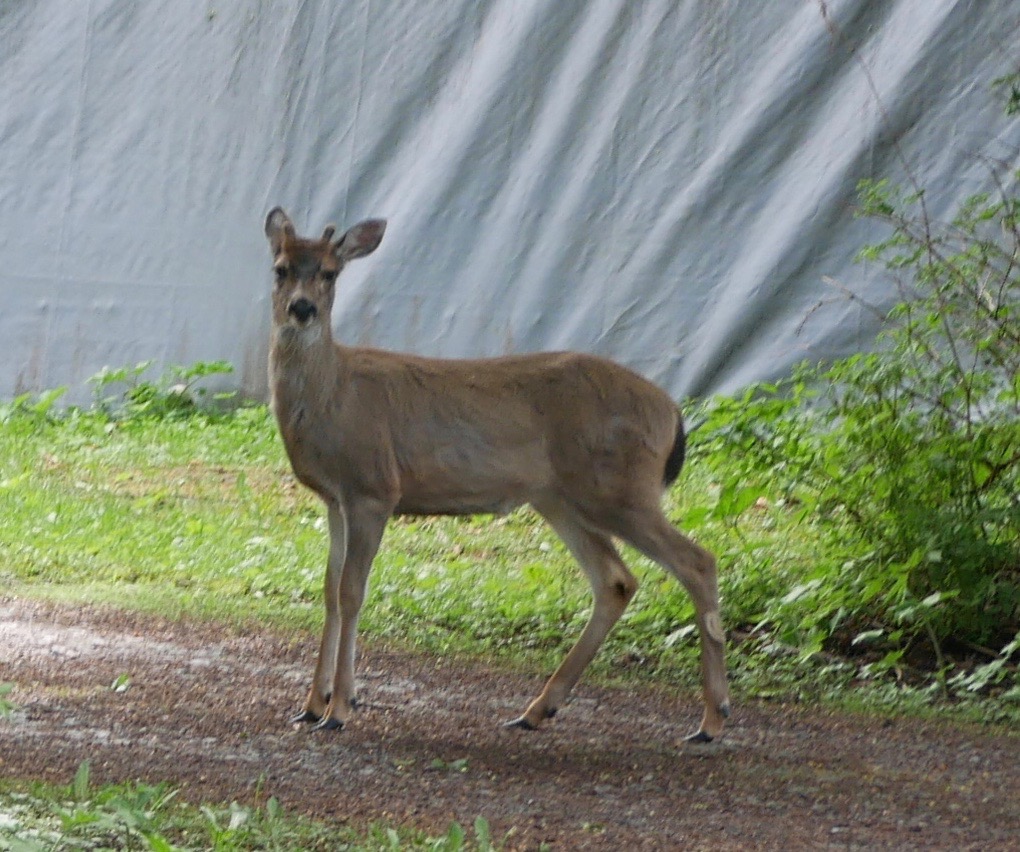
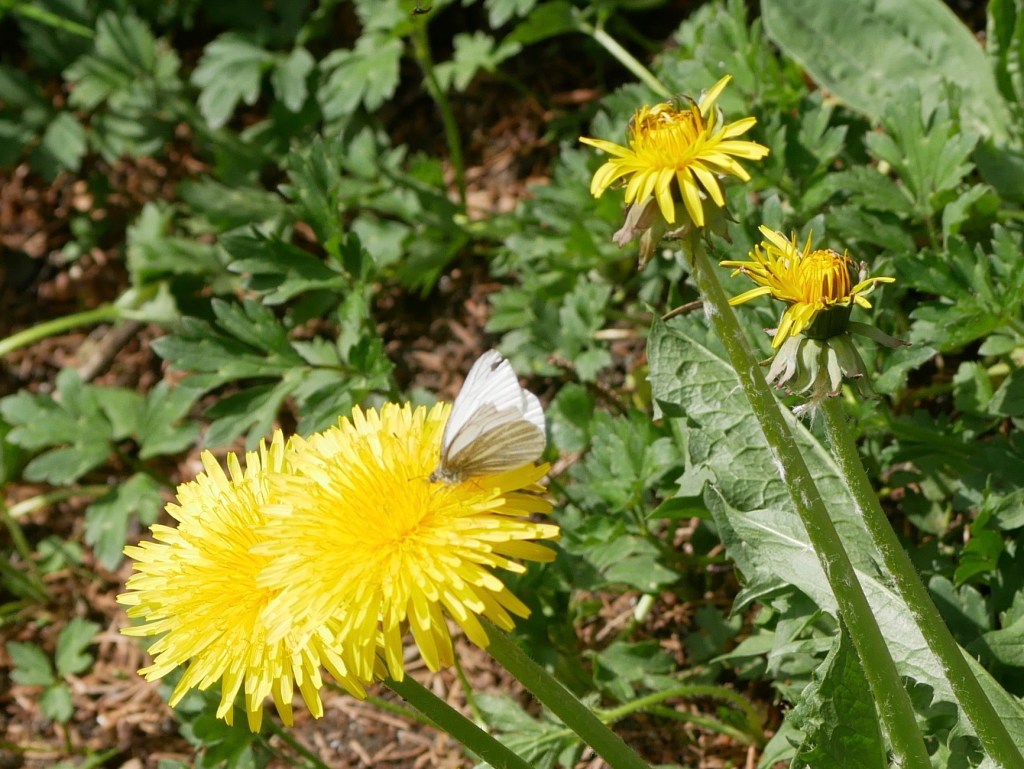
We will look for bears on the way to the river. They like to eat dandelion flowers that are now blooming in the road verge. But no bear will appear. One deer will cross the road in front of us. Another, so intent on the spring-fresh grass growing in a roadside ditch, will ignore us when we drive past. 
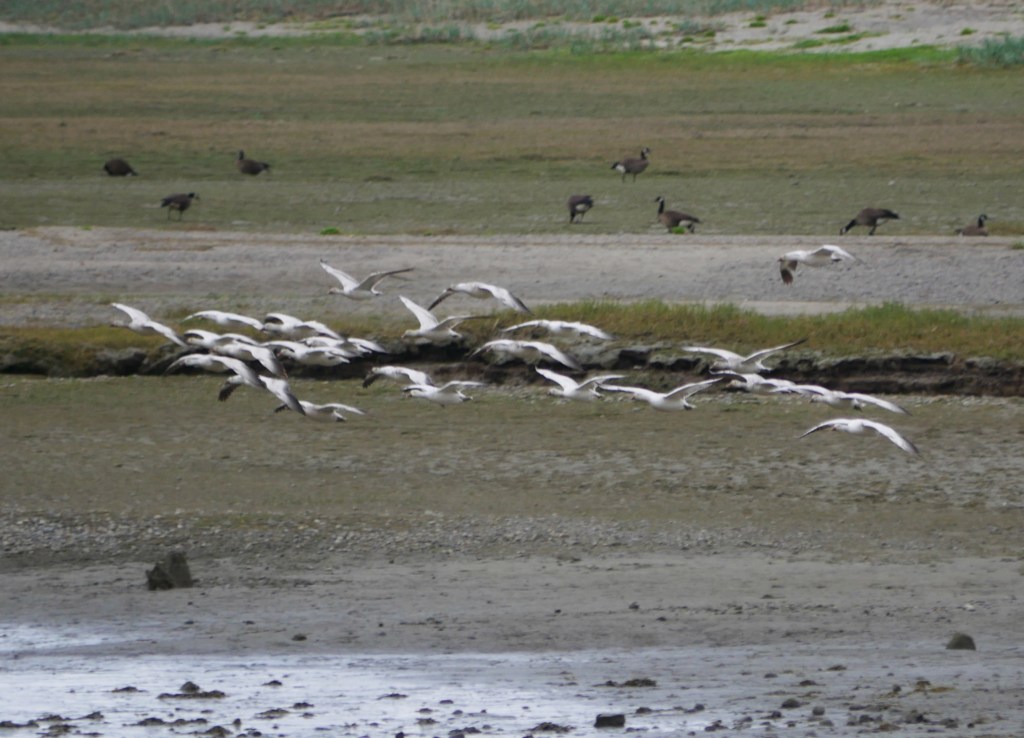
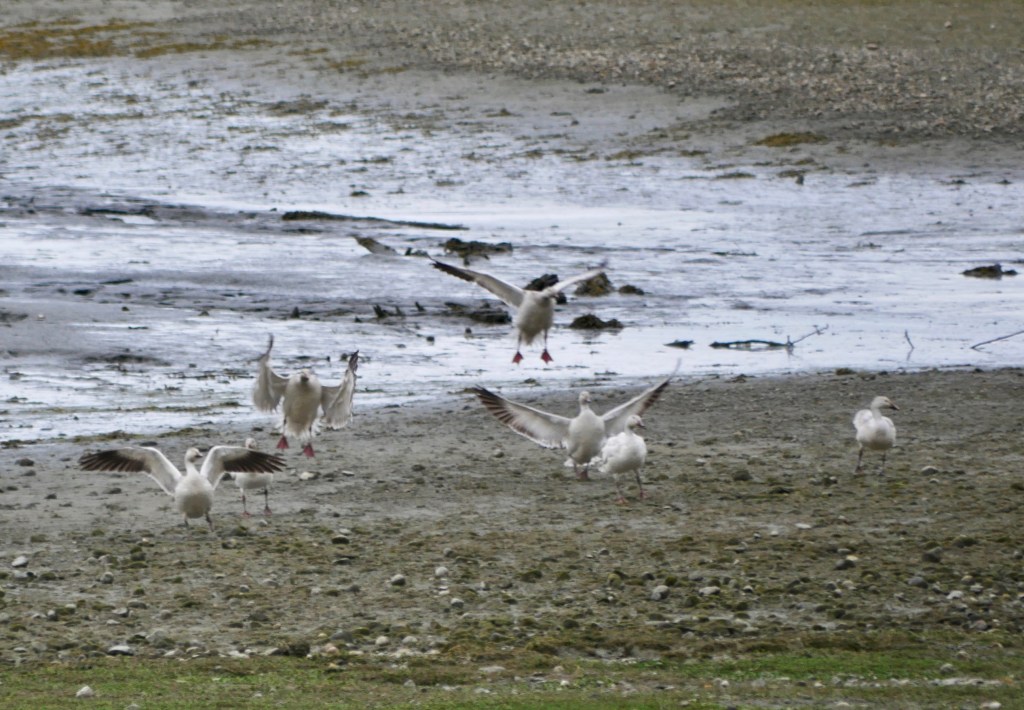
Near the mouth of the river we will join a handful of bird watchers trying to photograph snow geese. The mostly white birds will look as common as feeding barnyard birds until one of the bird watchers gets too close. Then, they will burst into the air, swing low over the beach and crash land near a small band of Canada geese. Because the little dog and I will be standing 15 meters away from the Canadians, I’ll have no problem seeing them land. 
That leaves the four heron and the two mergansers. We will surprise the two ducks as they are cuddling on a beach rock. Then they will swim away, head hairs all ahoo. The four heron will be feeding on tidal flats near the ferry terminal. All four will keep their backs to the little dog and I. We will only see the head of one when it uses its beak to preen some wing feathers. 

Wet Eagles

This morning started being about the rain and ended up being about eagles. Rain beat a tattoo on the house roof as I pulled on my parka. Reminding her that the weather is never as bad as it appears from inside a snug house, I secured a wrap on the poodle-mix and led her to the car. We drove out the North Douglas Island Road. The rain stopped by the time we arrived at the trailhead. What did I tell you, little dog?

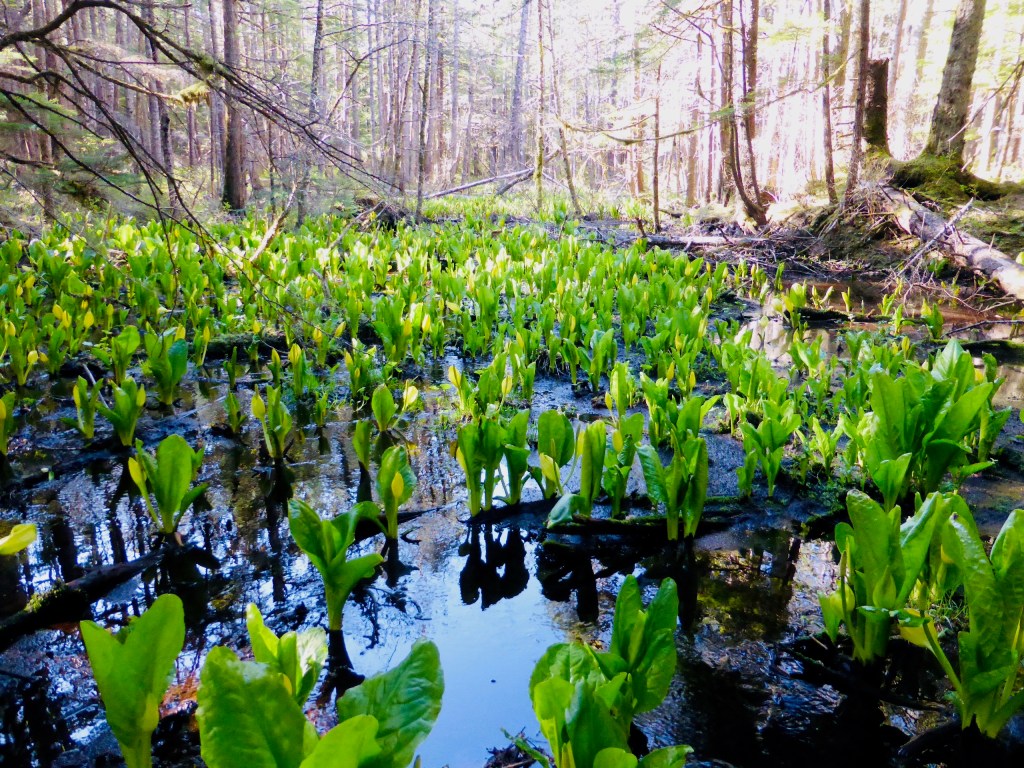
            We crossed over a stream that will host spawning silver salmon in July. Oversized skunk cabbage plants lined both sides if it. Aki stops to sniff at a print made when a large canine planted one of its paws in the muddy bank and lept in or over the narrow stream. She keeps at my heals after that. 

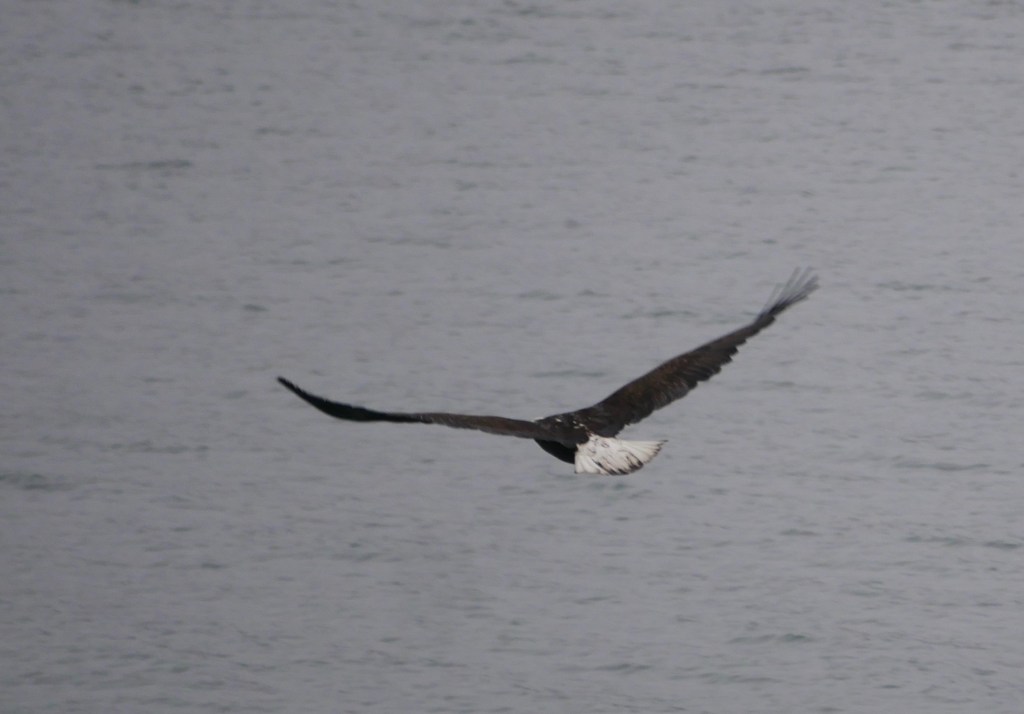
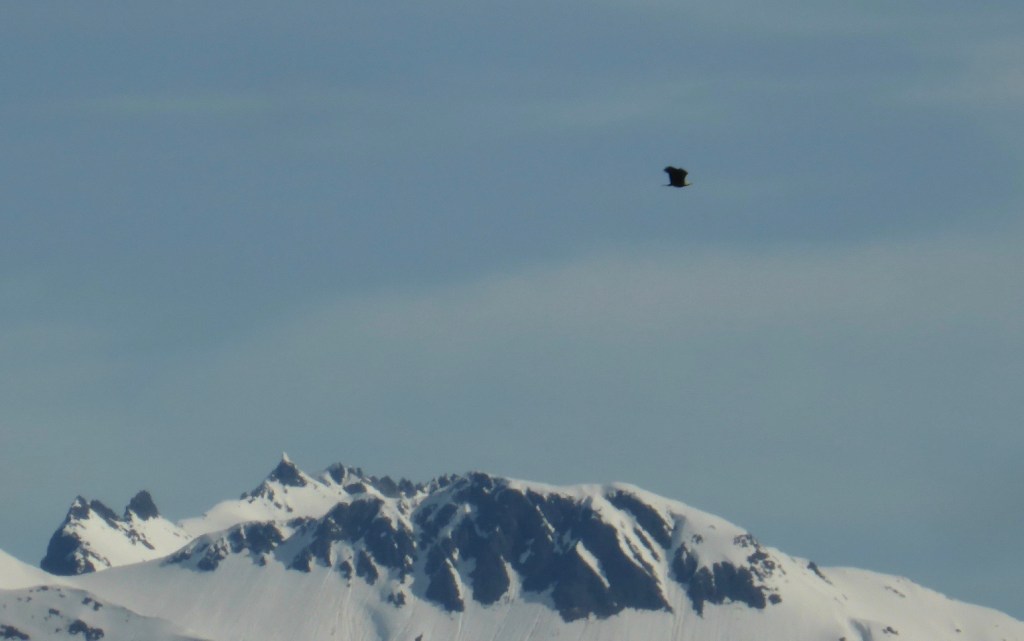
            After passing many flowering cloudberry plants, we reach the beach in time to watch a line of seven bald eagles flying down Stephen’s Passage to Admiralty Island. The first eagle hovers and then dives toward the water. The rest continue south. I go back and forth between watching the diving eagle and keeping track of the rest of them until I misplace them all. 

            Aki, who is not comfortable around eagles or wolves, hangs back at the forest’s edge until the last eagle disappears. She leads me off the beach and up to a muskeg meadow where three of the eagles fly over low our heads. One clasps a small fish in its talons. It heads into the woods, maybe to deliver the fish to its nest-minding mate. 

Quiet Drama

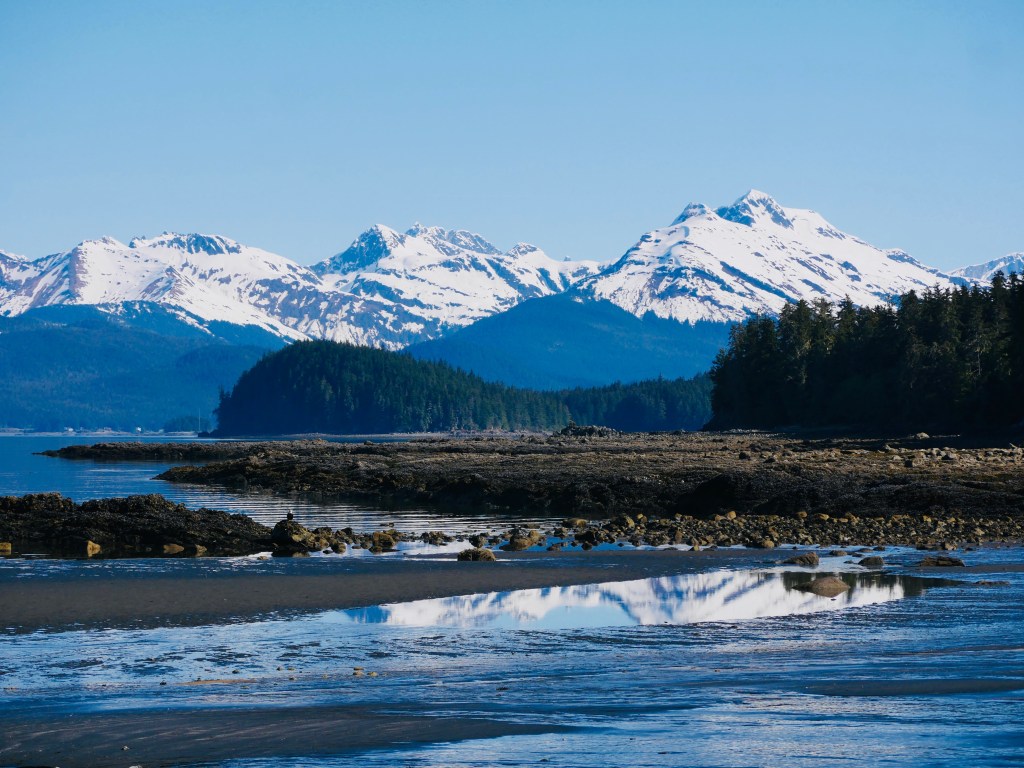
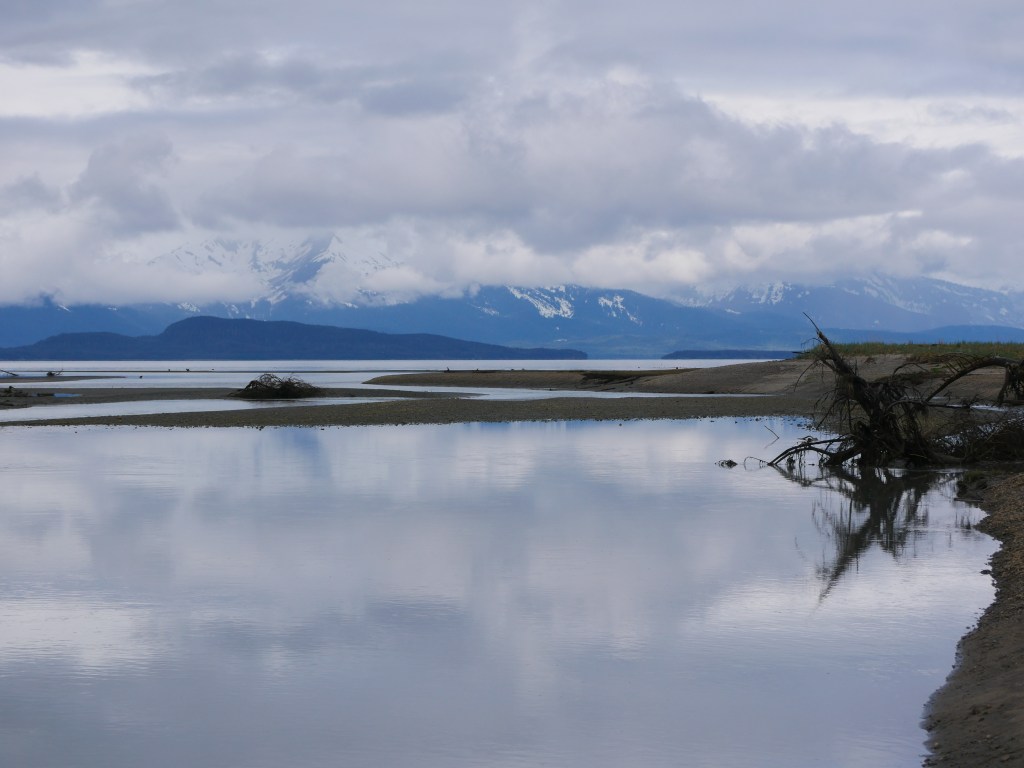
There is little drama on the Fish Creek delta today. We are in between ducks and salmon. Even the tide is middling. In an hour the flood will cover this trail like it has already covered the food-rich wetlands. Then it will retreat and things should get more interesting. As the Tlingit elders tell their grandchildren, when the tide is out, the table is set. 

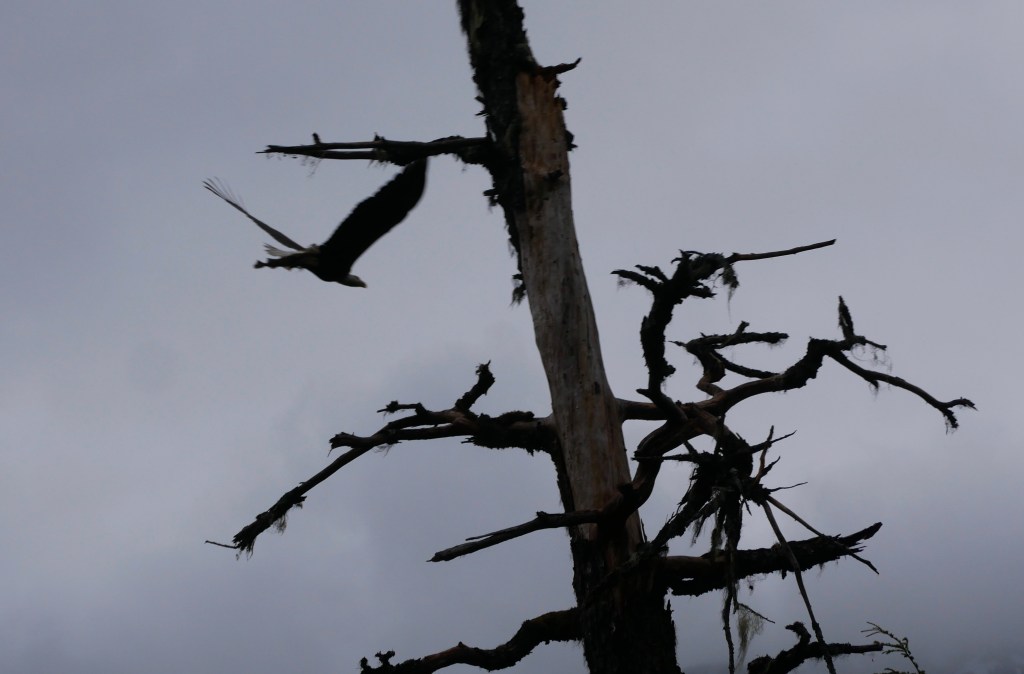
            The tide is widening channel of Fish Creek where a great blue heron hunts and pecks for salmon smolt trying to reach salt water. Several crows land near the heron, watching it out of boredom or in hopes of snatching some leftovers. In a minute they are gone. The crows didn’t distract the heron. Nor did a bald eagle that flew a meter above the heron’s head. 
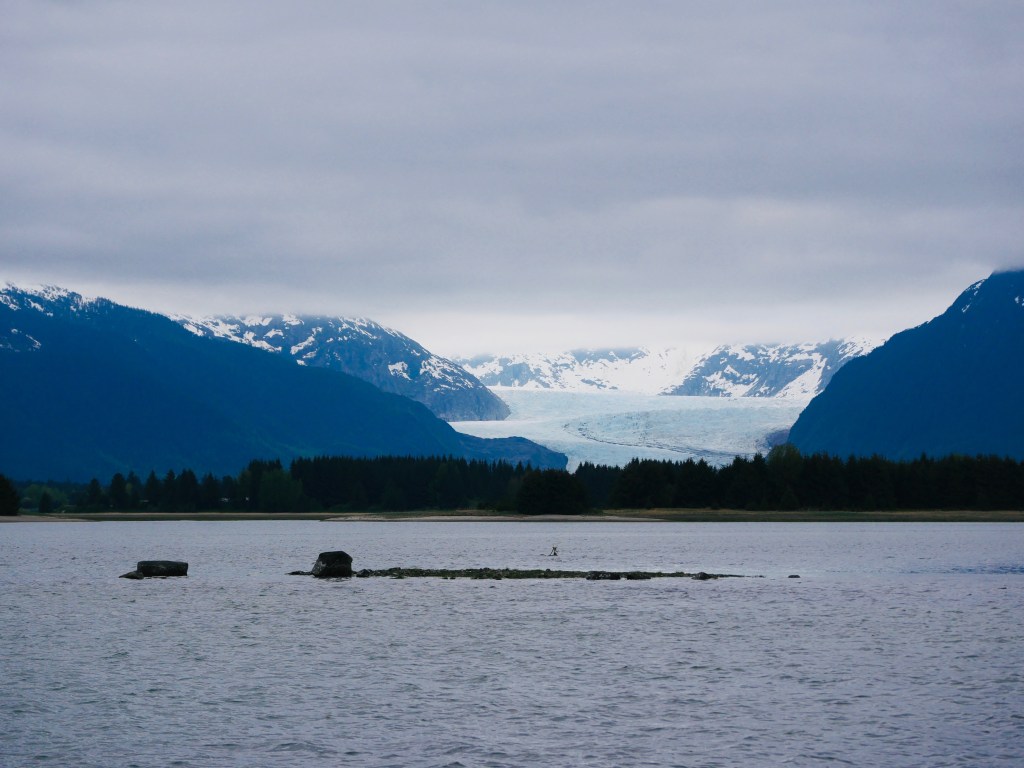
            My attention level is somewhere between the heron and the crows. I planned to remain near the heron long enough to watch it spear a salmon smolt. Then an eagle flew down the creek and clouds that have been covering the top half of the glacier lifted. I leave the heron to head down stream to Fritz Cove where one might better see the glacier, spot a seal lion or maybe even a killer whale.  

The Whales Won’t Mind

A year ago today a mega cruise ship was plugging its way up Favorite Channel. The on-board naturalist would have used the public address system, the same one used to announce the opening of the casino, to direct passengers’ attention to Shelter Island where two humpback whales had just surfaced. I would have grumbled to Aki that the whale watching boats couldn’t be far away. 

            If we didn’t move from this rocky headland, we would have seen four or five go-fast-boats circle around the whales as more on-board naturalists clicked the microphones on their PA systems. I would have remembered the time, on an early spring day, before the first cruise ship of the year, when two newly-arrived humpback whales surfaced less than fifty meters from here. The little dog and I were the only ones to see them. 

            This morning, the channel is empty of cruise ships and whale watching boats. No one follows the whales as they swim from Pearl Harbor to Shelter Island. This will be the first summer in decades without cruise ships or whale watching boats. No helicopters loaded with cruise ship passengers will buzz overhead on their way to the Juneau Ice Field. The city’s economy is going to take a hit. But the whales won’t mind. 

Rite of Spring

A porcupine the size of a small pig waddles through trailside alders. The top of its tail and a large patch of its rear are bare. Before being attacked by a dog or the other predator sharp-tipped quills covered the bald spots. What ever attacked the porcupine is still trying to rid its muzzle of quills. 
            Aki starts to wander toward the porcupine, nose to the ground. In a few seconds she will spot movement and dash over to the Alaskan hedgehog. Seconds after that I’ll be pulling quills from her face. Sacrificing a chance for a great photo, I drop the camera and grab the dog. Together we watch the porcupine force itself into a blue berry thicket. The color of its quills is an exact match to the branches of the still-bare blue berry bushes, so it appears to disappear.

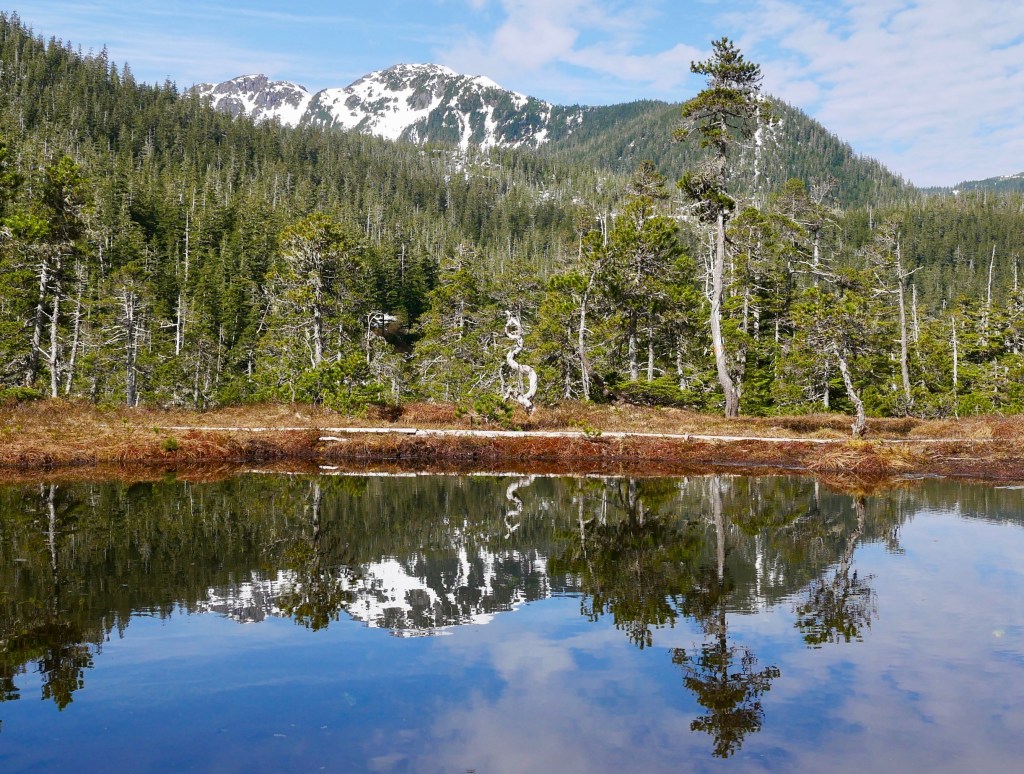
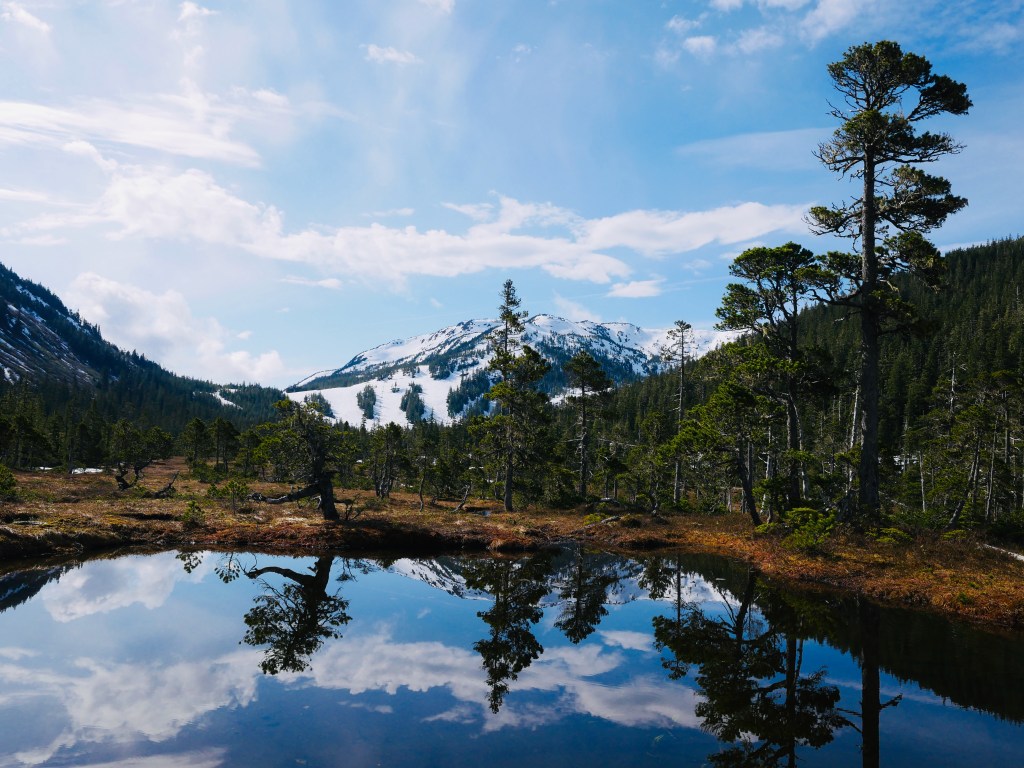
            We are on a mountain meadow. Snow still covers much of the trail. That’s why I brought the little dog here. It’s one of our rites of spring that requires a warm day after a cold night that sets up the snow for walking. When we reach the snow, the poodle-mix does a few donuts and then rubs her face in the white stuff.  She shakes her face, sending wet snow flying. Some of it ends up on my pants, which is a small price to pay. As my pants dry, I enjoy the meadow ponds capture the surrounding snow-covered mountains.

Enhancements

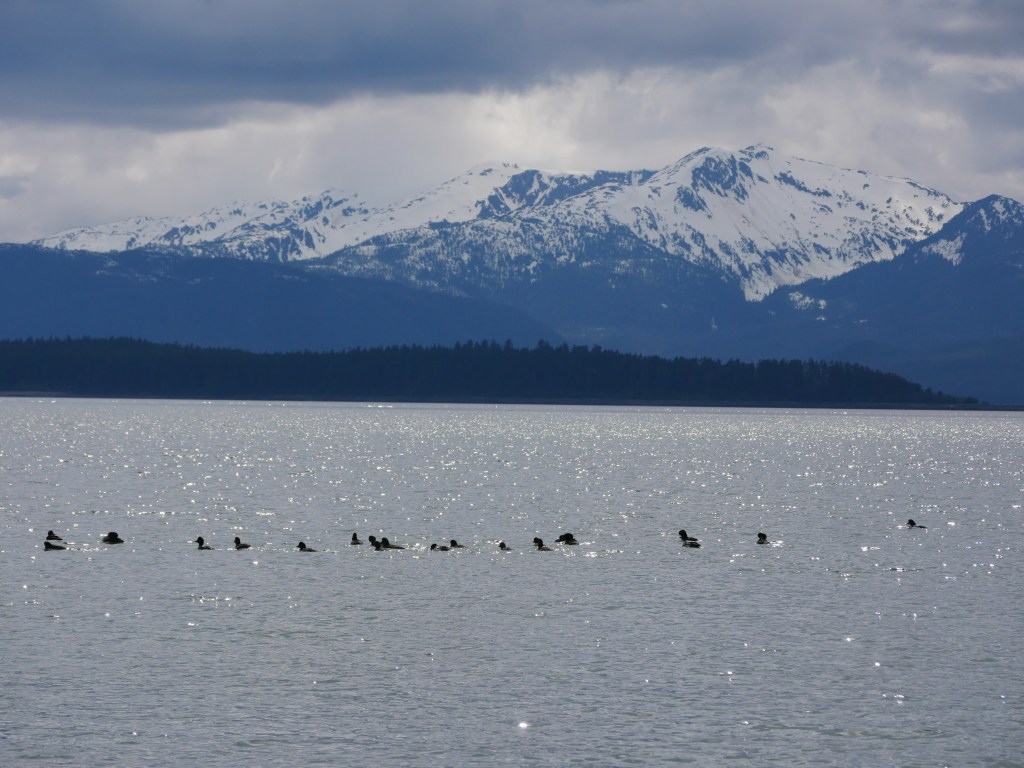
            Last week this beach was jammed with people and dogs. Kids splashed in the small surf. Today we pretty much have the place to ourselves. Two adults sleep on towels. Two gulls complain about our presence. Twelve golden eye ducks fish just off the beach.          

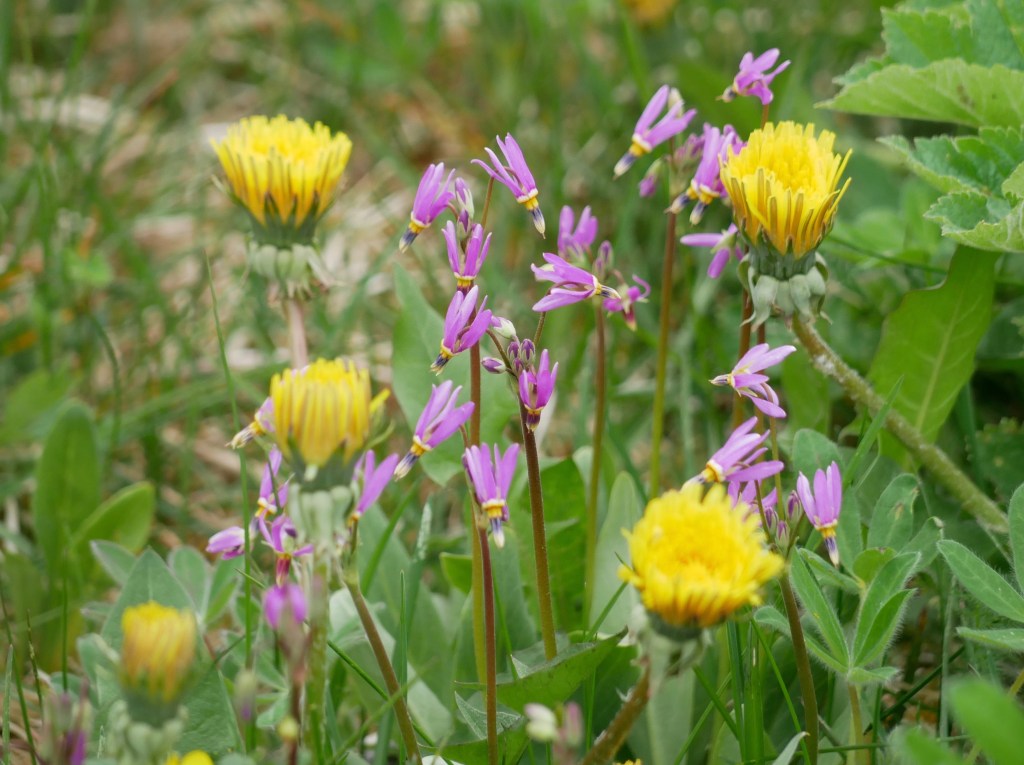
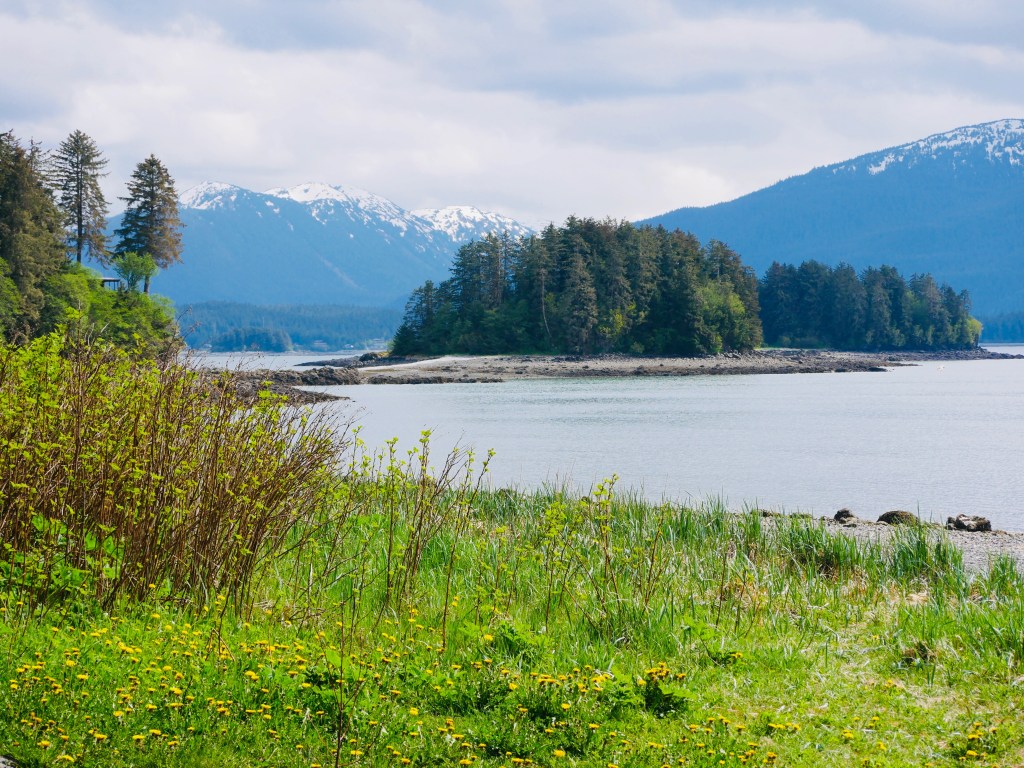
 Sunlight slips in and out of the clouds, intensifying the yellow-green color of cottonwood leaves, making the water around the golden eyes sparkle. It brightens the yellow of dandelion flowers lining the beach. 

Walking toward Lucky Me

The little dog and I have reached the junction in Treadwell Woods where we always turn left. It’s marked by the tall cottonwood with an eagle’s nest. The other trail leads to Lucky Me. No eaglet calls for food. No adult looks accusingly over the lip of the nest at the poodle mix. A corona of backlit cottonwood leaves circles of the nest. Too bad there isn’t a white-headed adult to wear the green crown. 

I’ve never been able to coax Aki away to take the right fork at this junction until today. Today, she is more than happy to follow a dog friend and its human right to take the road less traveled. It’s a trail dappled by leaf shadows that leads to a beach of pulverized ore from the Ready Bullion mine. The mine closed more than 100 years ago, leaving behind the beach, buildings, mine carts, bricks and crockery. Rusting wheels and rails emerge like mammoth tusks from the shifting ore sand.

All of the bird action is taking place at the waterline. Two sandpipers—a greater yellow legs and a grey tailed tattler—feed in the shallows until driven off by the wake of a Seattle-bound barge. An adult bald eagle munches on a crab carcass and then flies over to a small stream to bathe. Just offshore a raft of surf scoters descends on of school of bait fish. 

A little quiet

Bird song has dropped in the Troll Woods. The wrens are still going to town. But I haven’t heard a thrush’s blurry whistle since we left the car. Our sunny streak is continuing so I feel like singing, even if the birds had gone silent. 

            Aki and I circle several small lakes, seeing no one. Since the Covid crisis, I tend to choose the lesser used trails. The little loyal little dog doesn’t object, even though it means she rarely can do a meet and greet with another dog. She still stops often to check out interesting scents. I had to wait a minute for her to finish checking out a smell near the beavers’ lodge.

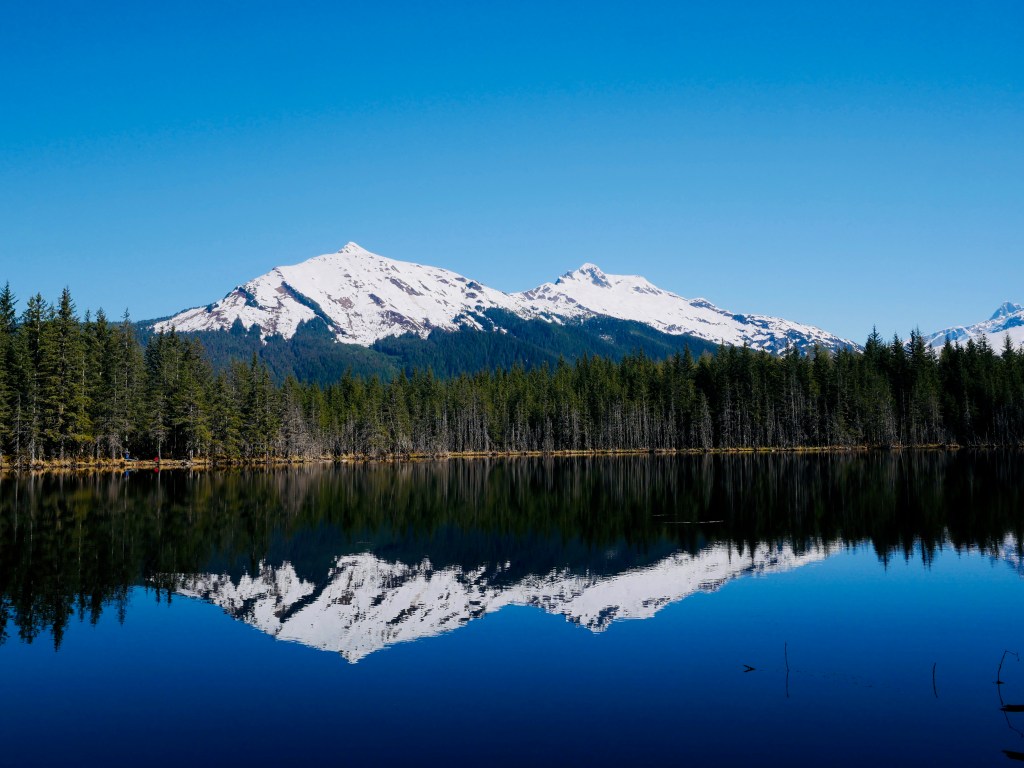
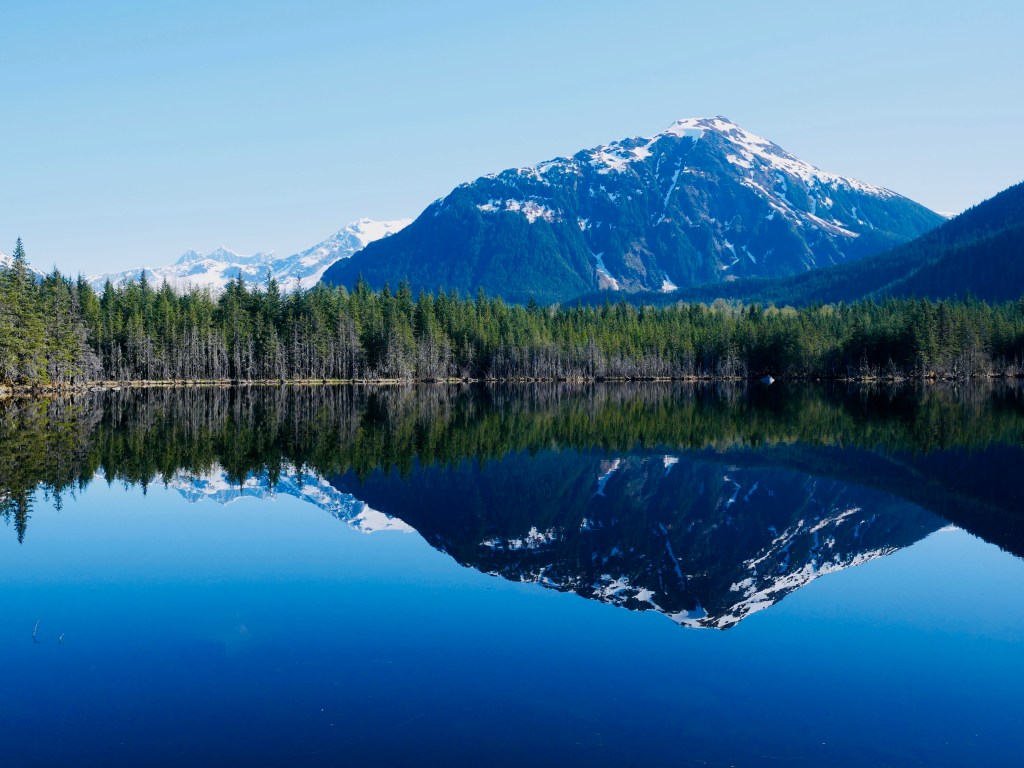
            Usually sunny weather brings the wind to riffle the Troll Woods lakes. But today, only the faintest breeze flows through the woods. Each lake is a crystal mirror reflecting mountains and glaciers. 

Winners and Losers

Clusters of emerging water lily leaves look like whales breaching on the surface of the beaver pond. Some leaves have already flattened out on the water to gather the summer’s energy.  Strong morning light makes the others translucent. 

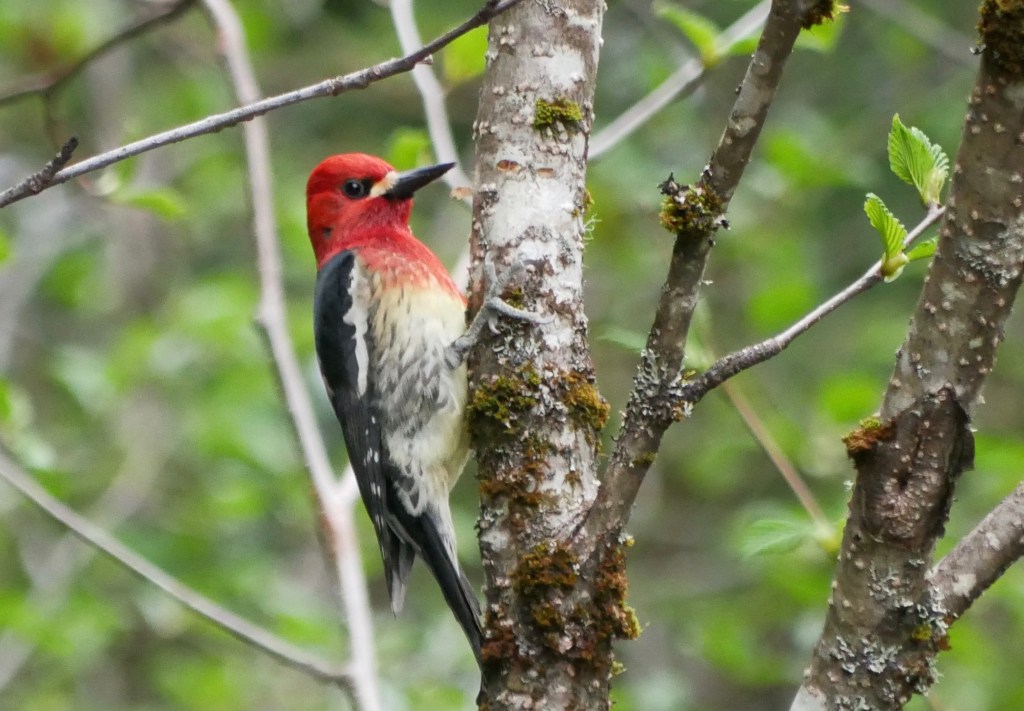
The tail slap of a nervous beaver sounds on the other side of the pond. Above the pond, a male woodpecker hops erratically up and down an overhanging alder tree. It’s a red-breasted sapsucker, not the three-toed woodpecker I was expecting. Last summer the three-toed raised a brood of chicks in a nearby spruce snag. I saw the male feeding near where the sapsucker is staring at me.  Each season has its winners and losers.    

We’ve been enjoying an early stretch of sunny, warm weather, which has drawn campers to beaches, like the one that Aki and I will soon reach on the trail. When a family of campers approaches, I grab Aki and retreat a few meters off the trail. In a few minutes the little dog and I reach their campsite and find an eagle and raven checking it out for scraps. 

These campers had totally extinguished their fire before leaving.  Two days ago, sixteen acres of forest and grass-covered dunes burned near Boy Scout Beach, a place Aki and I like to visit. We have seen bears digging up the meadow grass there to harvest chocolate lily roots.  The place was crowded with Canada geese the last time we walked over the dunes. Now the geese and bears will have to find somewhere else to feed. 

Forest Light

The forest light seems particularly pure this morning. It confuses my old digital camera and sometimes, even my eyes. It turns strands of spider webs into strings of prisms. Light and birdsong are the only things keeping us in the woods. Normally, Aki and I would have reached the beach by now, where we might see arriving humpback whales or orcas chasing incoming king salmon. 

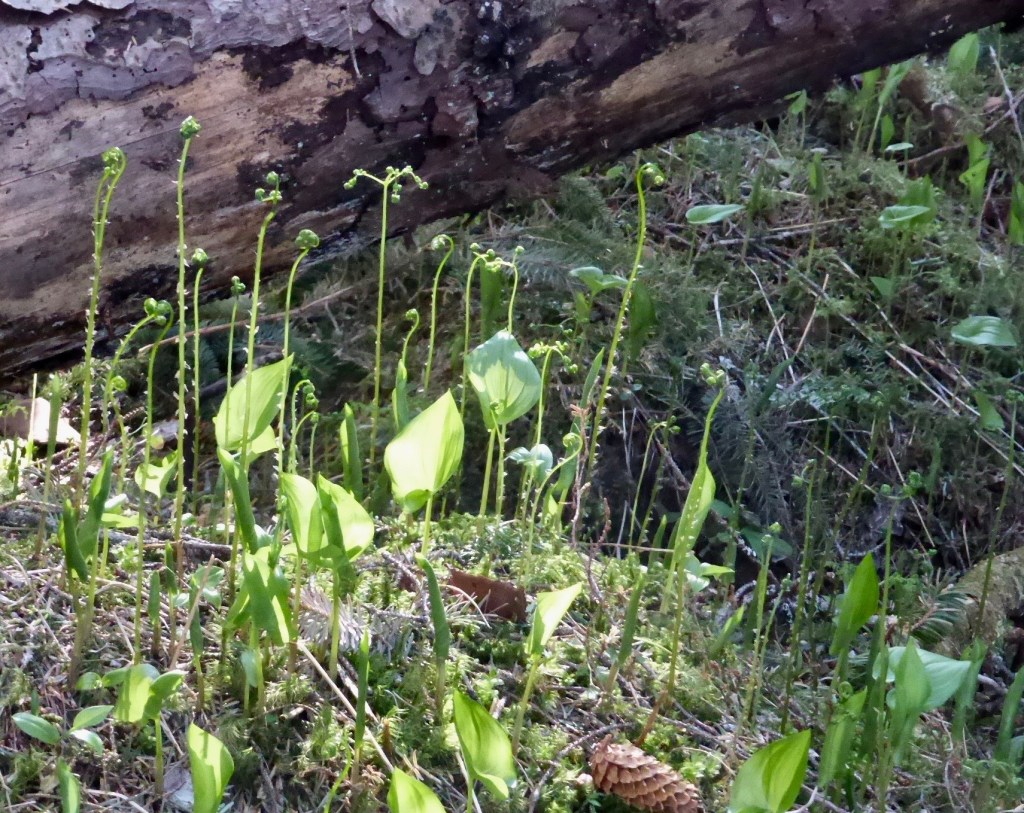
            The tips of fragile ferns have already unfurled, marking the end of spring. While Aki reads her pee mail, I check the blue berry bushes for blossoms. We and the bears will have to look elsewhere for our berries this year. 

            When we finally reach the beach, it seems empty except for kids carry white plastic buckets. With rubber boots on their feet, they splash through the shallows, bent over, looking for shells or memories.