Another Bear Story

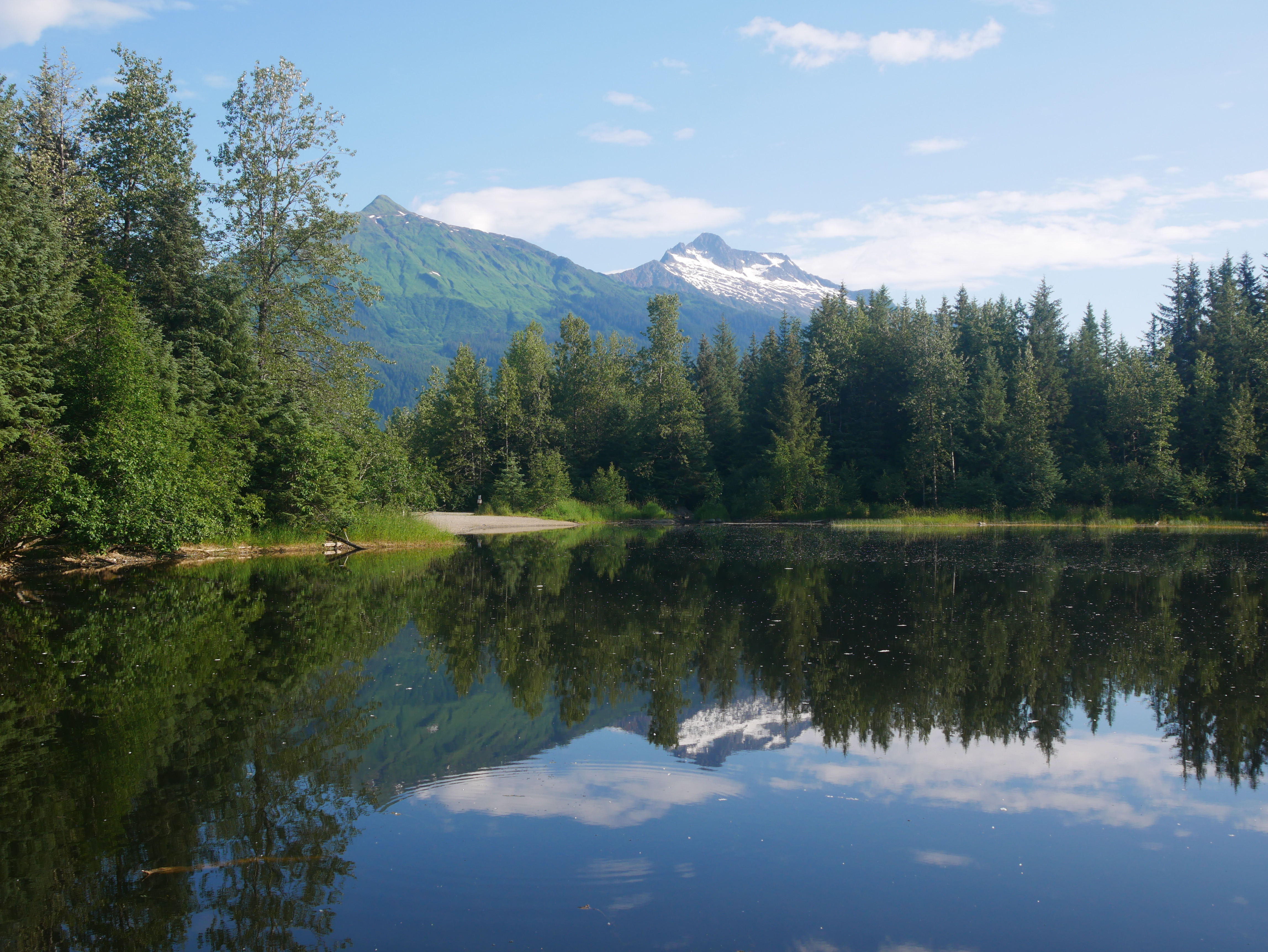
Yesterday, rising trout in one of the troll woods’ lakes surprised me. A couple of the active fish appeared to have some shoulders, maybe enough body to fill a frying pan. Early this morning Aki I re-entered the woods. I carried a fishing pole. The little dog was armed only with her sharp noise and bravery too large for her 10-pound body. I tried to ignore a premonition that we would run into a bear. 
            Aki doddled behind as I quick walked toward the promising lake. Morning sunshine shone through translucent grass blades and made the little dog little squint. She was forty meters behind me when the bear appeared. Thankfully it was a boar, not a sow with cubs. It was, as seems to be the case in almost every Alaska bear story, the largest black bear male seen in some time. 
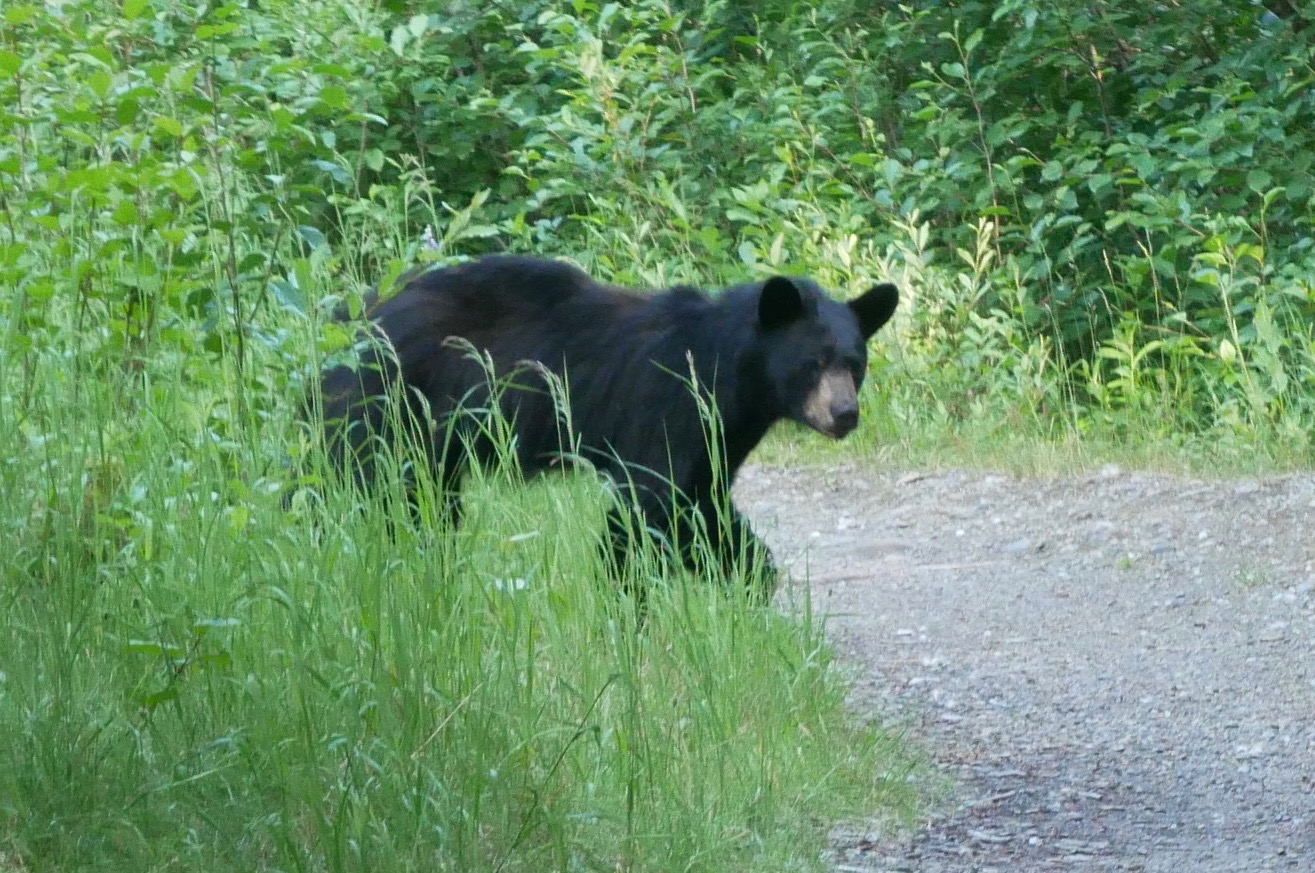
            Showing the considerate caution of its breed, the bear left the trail to shelter in a strip of alders that bordered the lake. I was about to trot back to retrieve the still ignorant poodle-mix when the bear started moving in her direction. If the boar continued it would soon find Aki blocking the way into the troll woods. I dropped the fishing pole and ran to grab my dog. The bear reversed direction and skulked to the very spot where I had dropped the fishing gear. Aki spotted the bear as it emerged onto the trail. She growled and barked, sending the bear rushing across the trail and into the woods. 
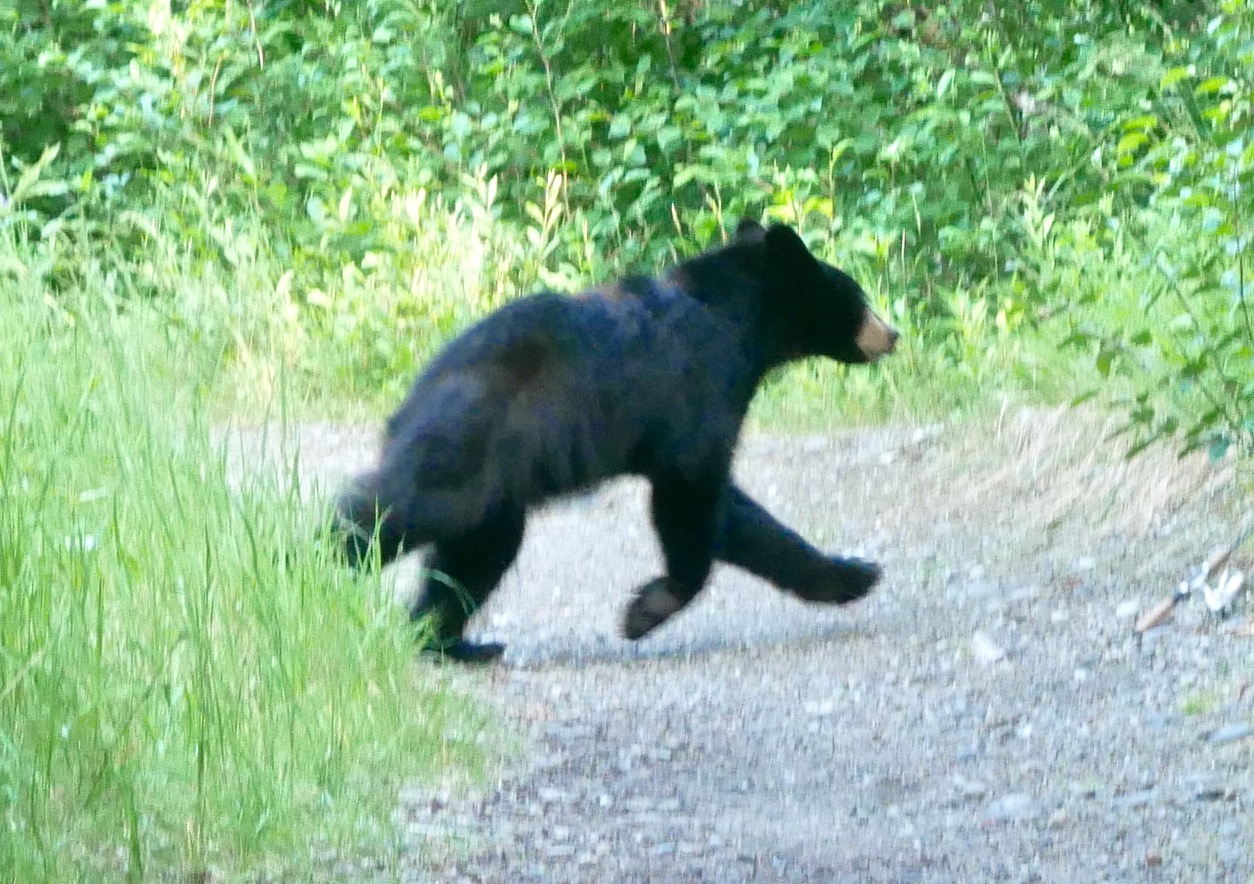
            On the theory that no bear would appreciate my performance, I sang an off key version of “Super Trooper” by ABBA on our return to the car. If Aki’s growling hadn’t been enough, my singing must have driven the bear deep into the Troll Woods.  
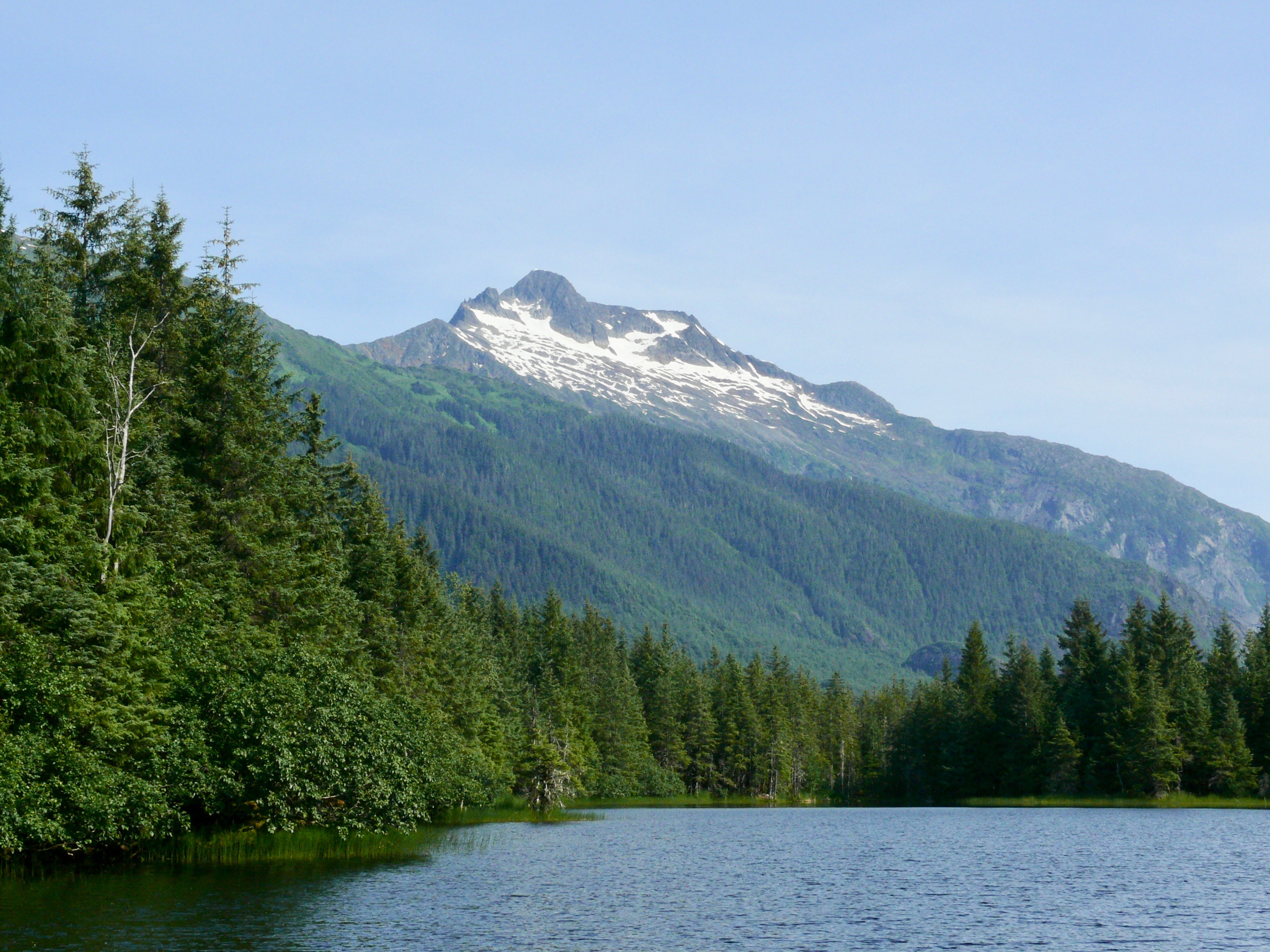
Familiar Woods

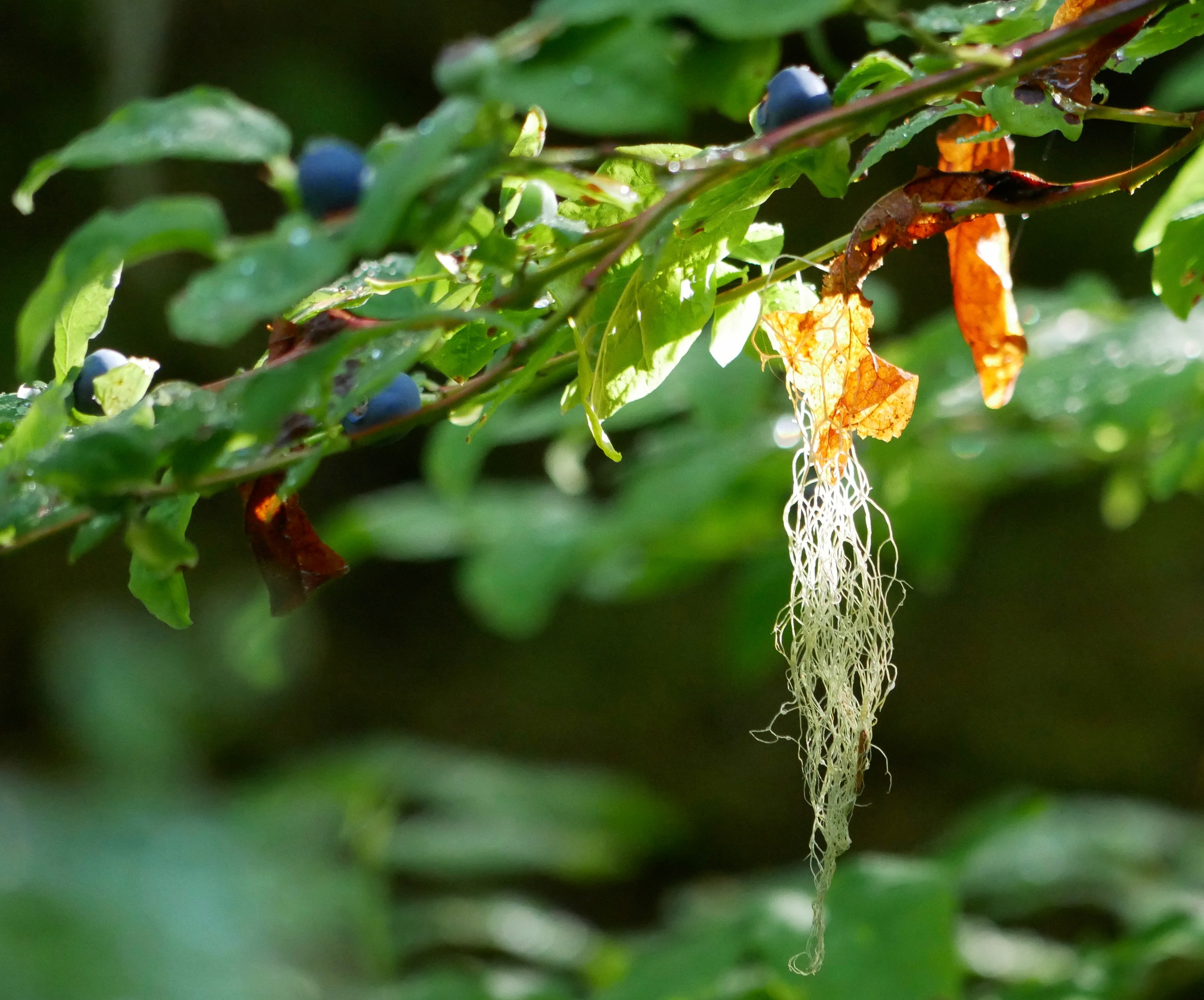
It’s good to be back with the little dog, walking known trails with few dangers. Bears and mosquitoes are only things to worry about on this morning’s crossing of the Troll Woods. We do find a fresh pile of bear scat stained blue of a breakfast of blueberries. So Aki and I don’t walk through thickets of berry brush. 
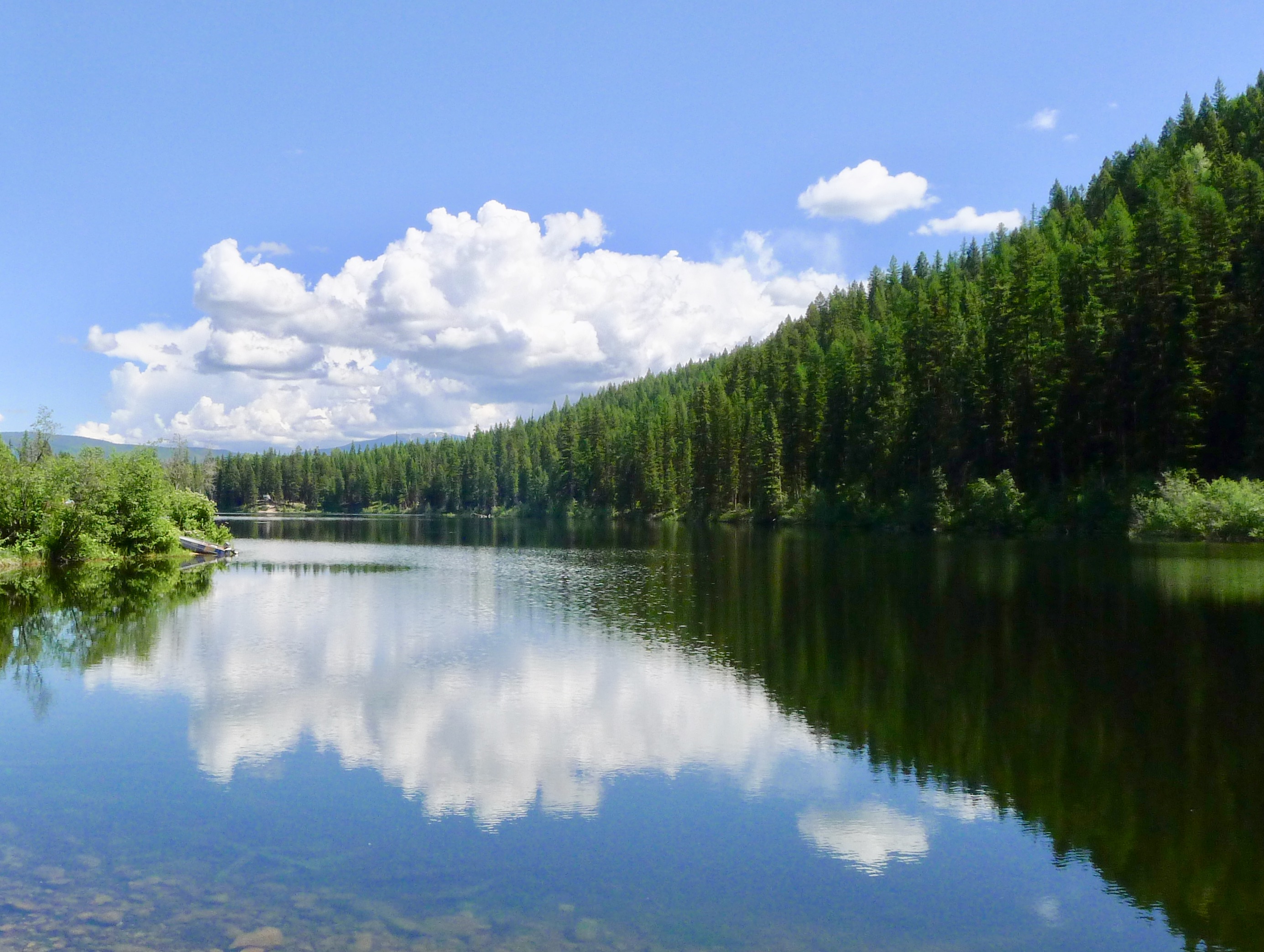
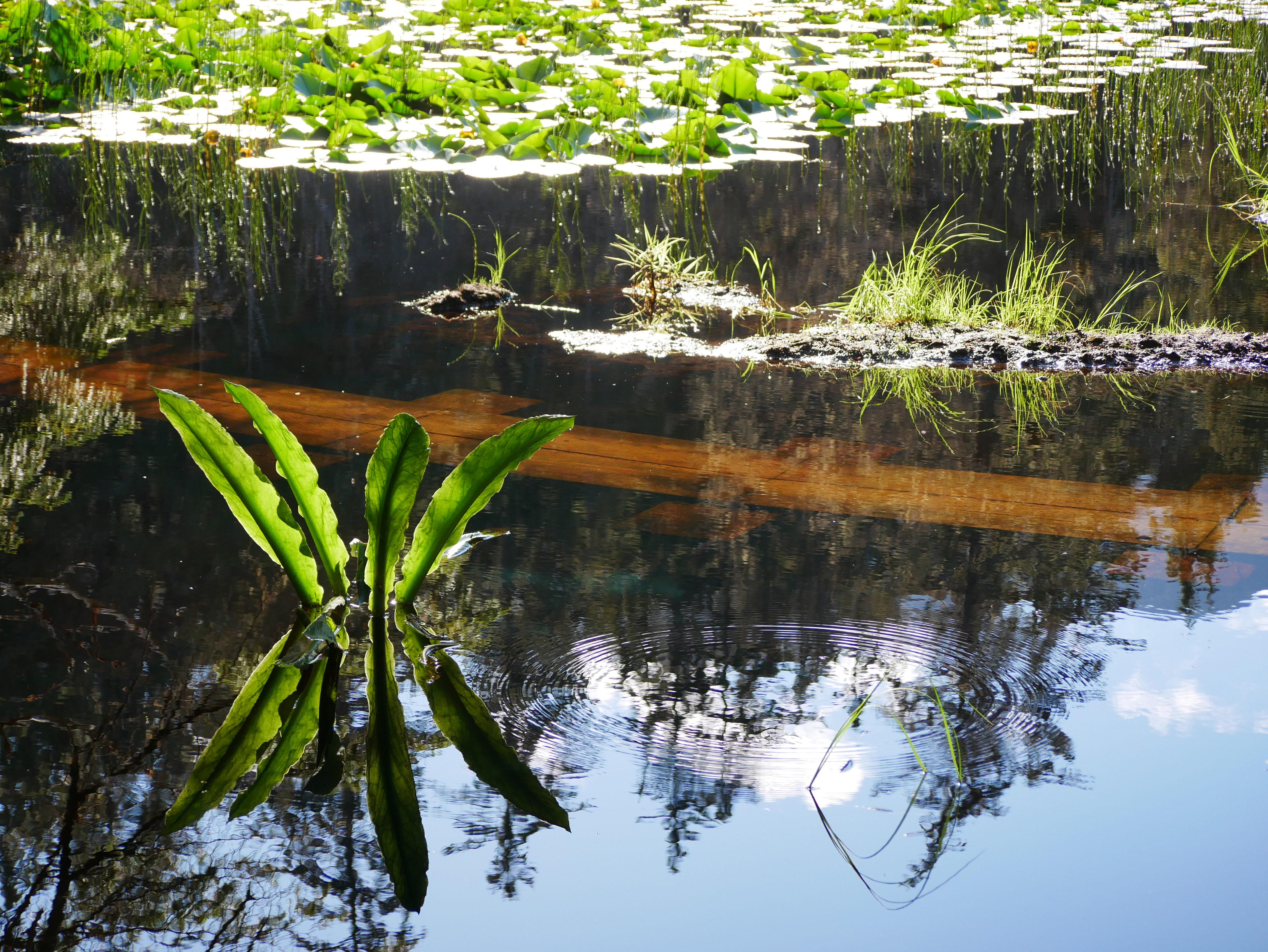
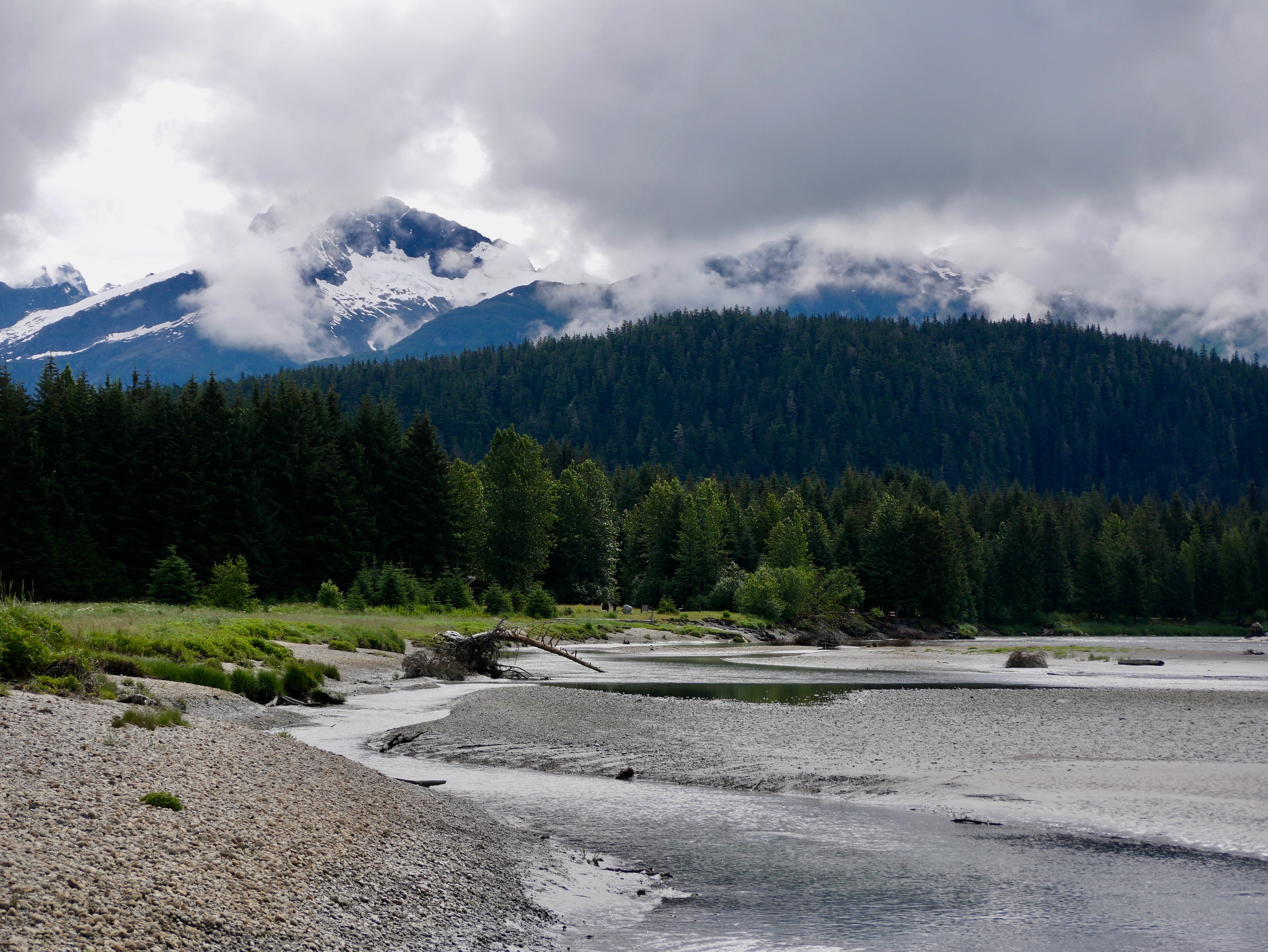
            I lead Aki to the edge of a lake for a view of the glacier and practicably stumble on two mallard hens. Seconds ago they had been nestled in a grass verge. Aki watches them swim away but does not make a sound. I think about yesterday’s mallard mother that had remained erect and exposed on the edge of the beaver pond. The presence of a heron and eagle prevented her from swimming them out of our reach. We were her lesser evil. 

            It’s not all beer and skittles in the Troll Woods for me this morning.  But the things diminishing my experience are more irritating than evil. We walk through one cloud of mosquitoes after another. As usual they ignore Aki so they can hover around my head. But thanks to my bug off shirt, they little pests can’t land on me or bite. 

            I wish I had a shirt to protect me from the fluffy willow seeds that drift down like snow in July. The smallest bits irritate our eyes. Larger chunks form a white skim on the lee sides of the lakes. 

Inadvertent Interference

I wanted to make an undetectable approach to the beaver pond so I left the usual trail for a more casual one. Aki waited on the good trail for me to return to my senses. In minutes, after I have made enough noise to wake a sleeping dragon, I rejoin the little dog. Well that blew any chance of sneaking up on the heron. 

            Aki and I had startled a great blue heron when we first circled the beaver pond. It whooshed over our heads and flew to the other side of the pond, squawking like a barnyard goose. Given the winged hunter’s reluctance to leave, I hoped that it might return while we walked to the beach and back into the woods. 
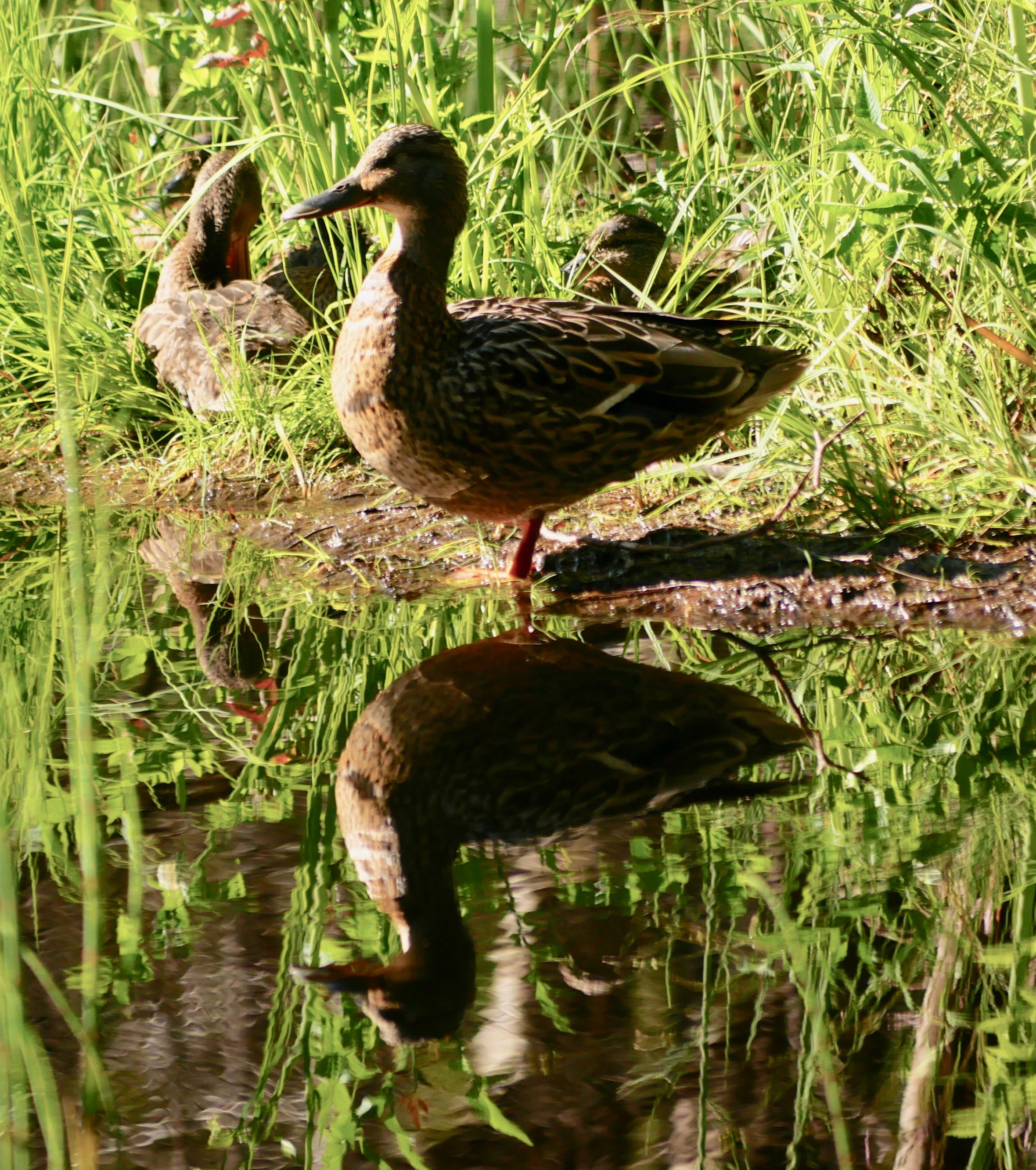
            With a faint hope that the heron was hard of hearing, I lead my little poodle-mix to the main trail and find, not the expected heron but a mallard hen. She stands, still as a statue at the edge of the pond. Three of her chicks, partially hidden by grass, sleep while their mom stands watch. 

Duck hunting season is closed or a hunter could easily orphan the mallard chicks. The hen isn’t worried about humans carrying guns. She doesn’t flinch when I move closer for a better view of her kids. But she twitches each time a nearby eagle screams. No one is going to cite an eagle or heron for hunting out of season. Had our earlier appearance at the pond saved the ducklings from the heron? 
Trying to Reduce Them to Our Level

I just can’t help attributing human attributes to wild things. In the stare of a thrush I see defiance. A slouching marmot telegraphs nonchalance. This morning, on the way to the Rainforest trailhead, I tried to read the emotions of an adult bald eagle. 

The big bird was perched in the top of a short spruce tree. I stopped the car just twenty feet away. The eagle looked to be contemplating the view up Lynn Canal or maybe just enjoying the feel of sunshine drying out his rain-dampened feathers. An audio version of Nina George’s “The Little Paris Book Store” was playing on the car stereo. As one of the actors described the meeting of the protagonist and his lover, the eagle turned and looked at us with its eyebrow raised, as if questioning my taste in books.  

It’s early morning so there is only one car in the trailhead parking lot when we arrive. In an hour or two the eco tour vans will disgorge cruise ship passengers more interested in wild things than jewelry shopping on South Franklin Street. They are my favorite kind of visitors but I’m pleased not to have to share the trail with them today. 

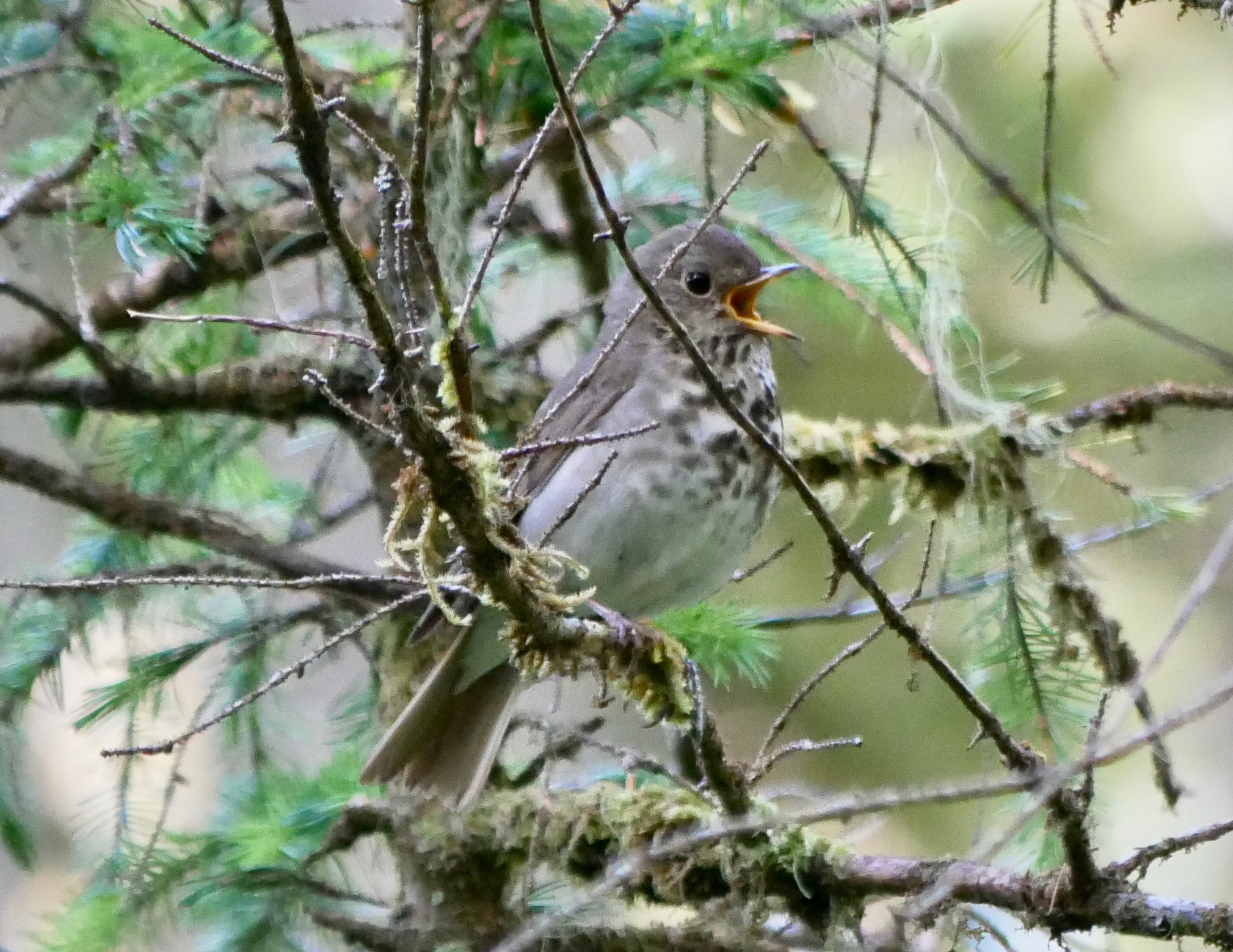
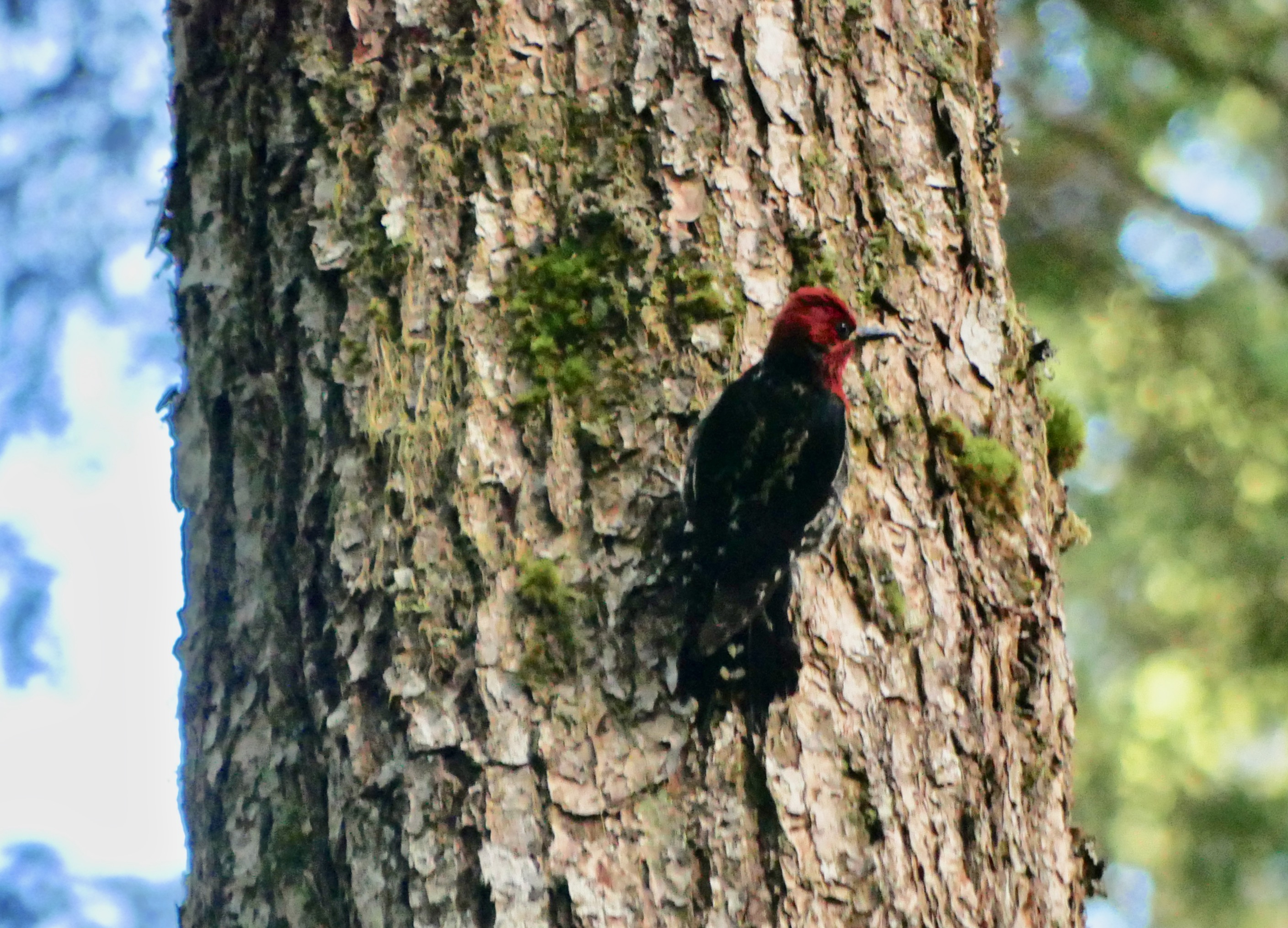
The leaves of understory plants in the forest are still weighed down with rain from a recent shower. They sparkle when struck by sun shafts. Above the trail a gray thrush mom tries to induce one of its chicks to fledge. In a nearby hemlock, a red-breasted sapsucker stops hammering the tree’s bark to give the little dog the stink eye. 

Stink Eye

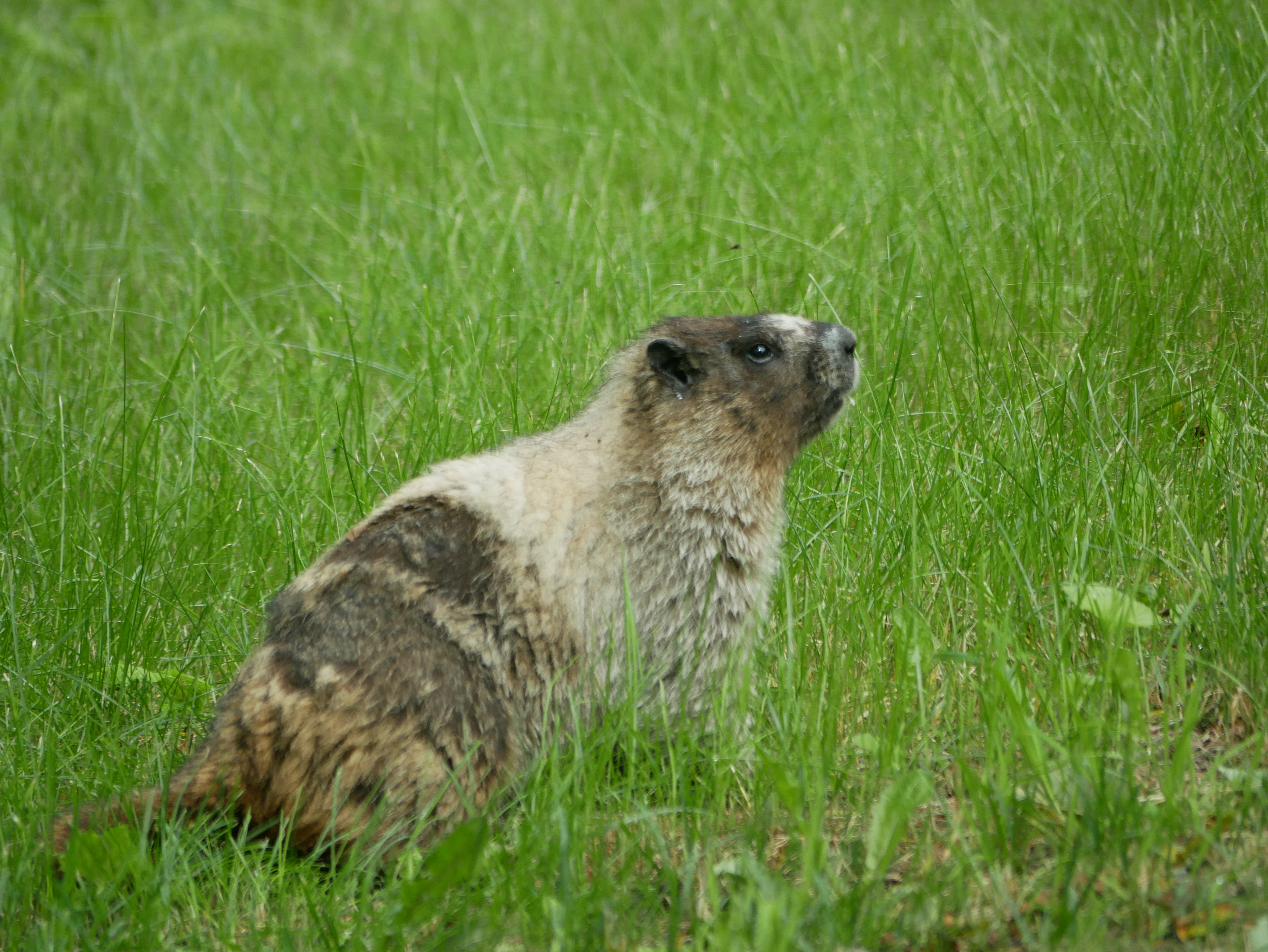
Aki, do you have the feeling that every animal is mad at us today. We are in the car about to leave the Eagle River picnic area. A marmot eyeballs us from a few feet away. It sees the poodle in a yellow wrap sitting in the lap of a guy in a blue hoodie. The marmot, probably on guard duty to protect its clan, looks more bored than scared.

            Aki growls at the big rodent through the window glass. Now the marmot looks put out. It reclines facing away from us as if to say. “You are death to me.” Minutes before we got similar treatment from a thrush. The songbird had just landed in an alder ten feet away and gave us the stink eye. 

            Looking back on our hike along the Eagle River, I can’t think of any reason why the wild residents would treat us with distain. Aki did bark at a raven, but it barely reacted. Otherwise we passed through woods and meadows without incident, feeding multiple mosquitoes but seeing little wildlife.  

Maybe we can blame the Siberian husky that gave Aki a thorough look see as we approached on a path lined by lupines and Indian paintbrushes. It was a big dog, capable of putting wild things under pressure if so inclined. The little dog could be taking the blame for the husky’s carousing. 

Okanagan Rail Trail

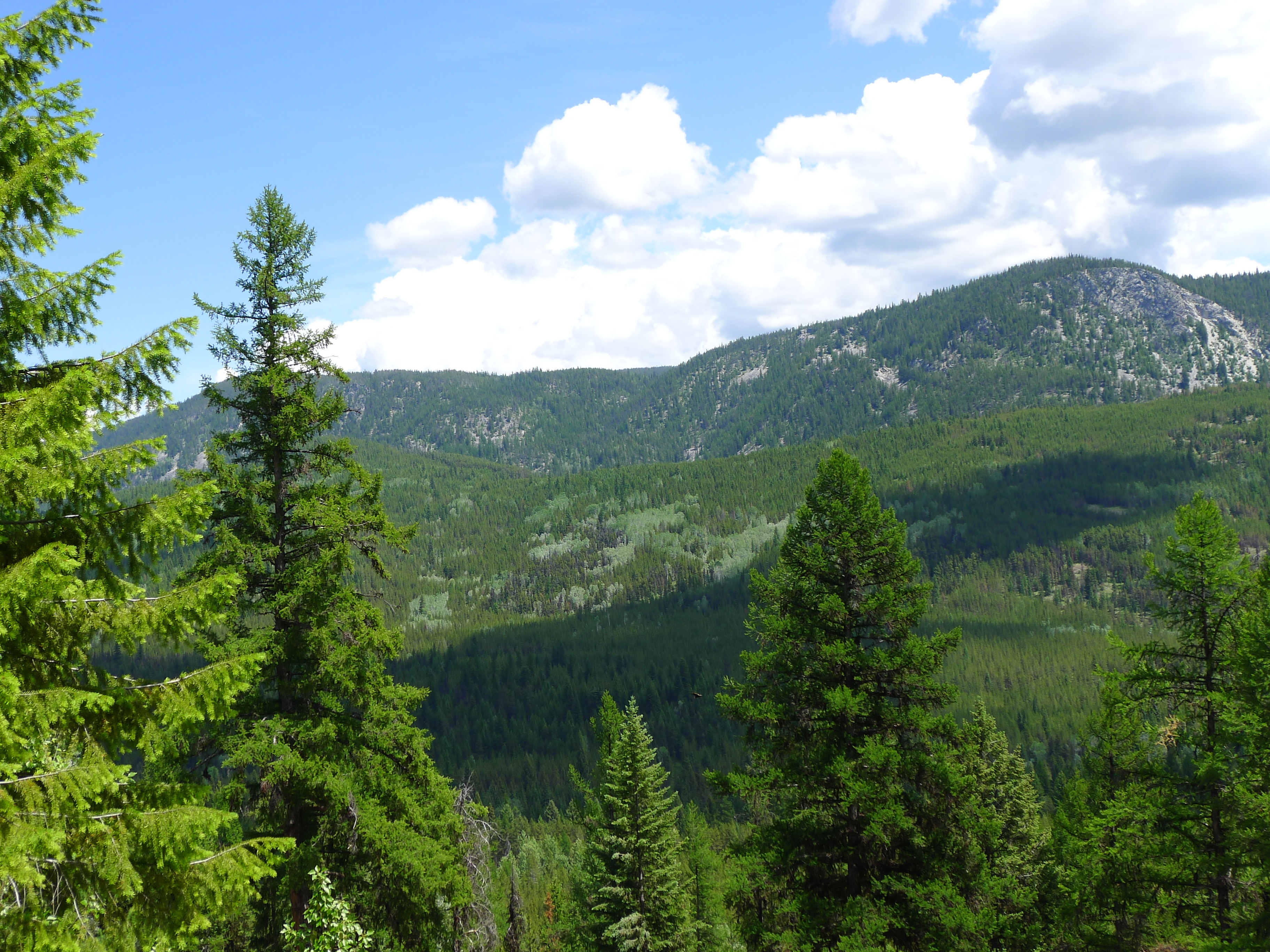
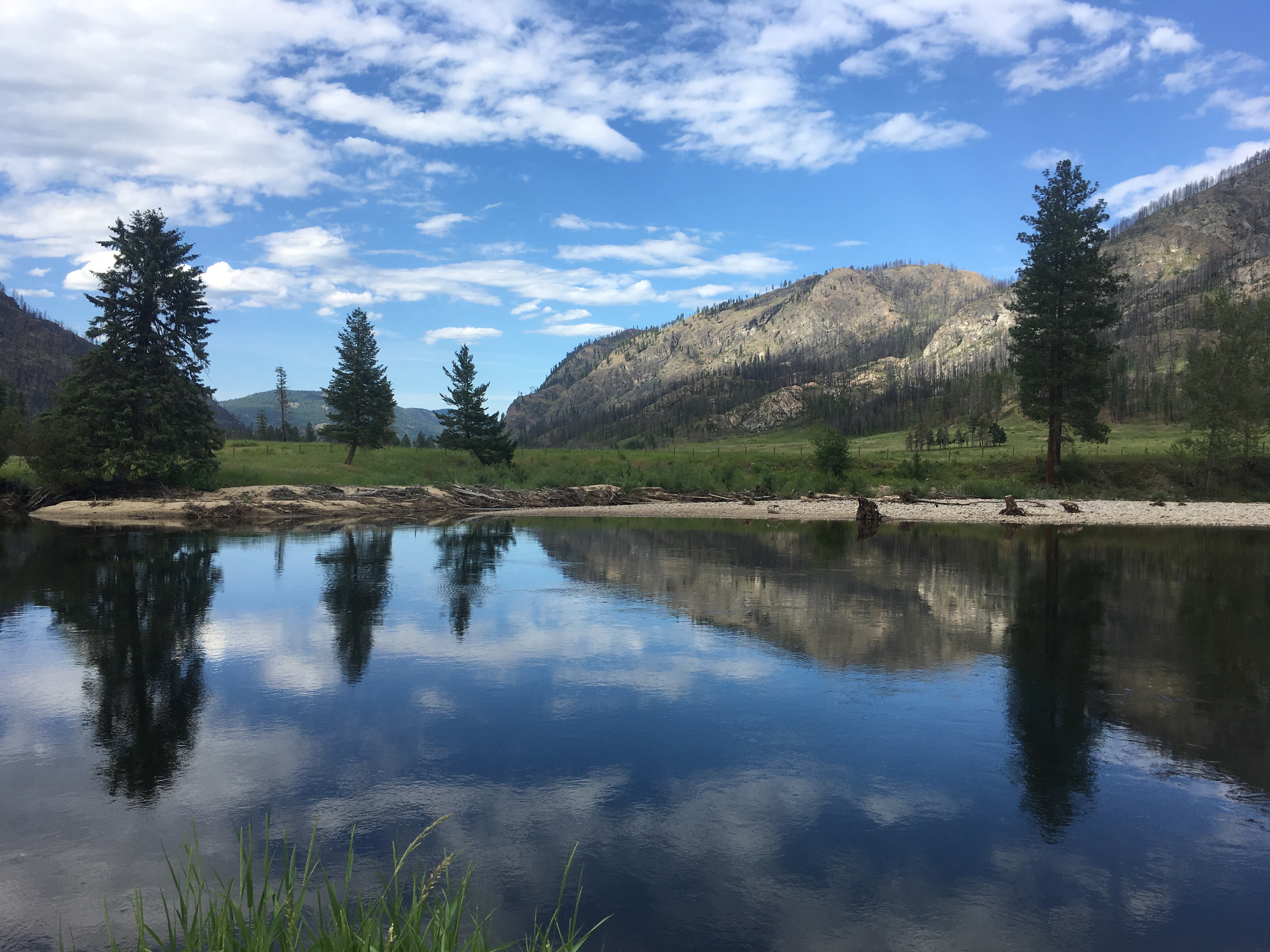
After riding for an hour through a tunnel of trees, I stop my bicycle where a landslide has opened up a view across the Kettle River Canyon. Even though its more than ninety degrees, I stand in the sun so I can see the blue sky punctured from below by firs and spruce trees. In the 1920’s the passengers of the Kettle Valley Railroad might have looked up briefly from their books or newspapers to catch a flash of this blue before the trees closed in again. 

While sweating I think this would be the perfect place to watch a golden eagle ride thermal currents. Then a large, brown raptor glides between two spruce trees. A second, identical bird follows close behind. They are hawks switch backing back and forth across my view, like hikers climbing a steep mountain. I move on when the hawks are just brown spots in the azure sky.

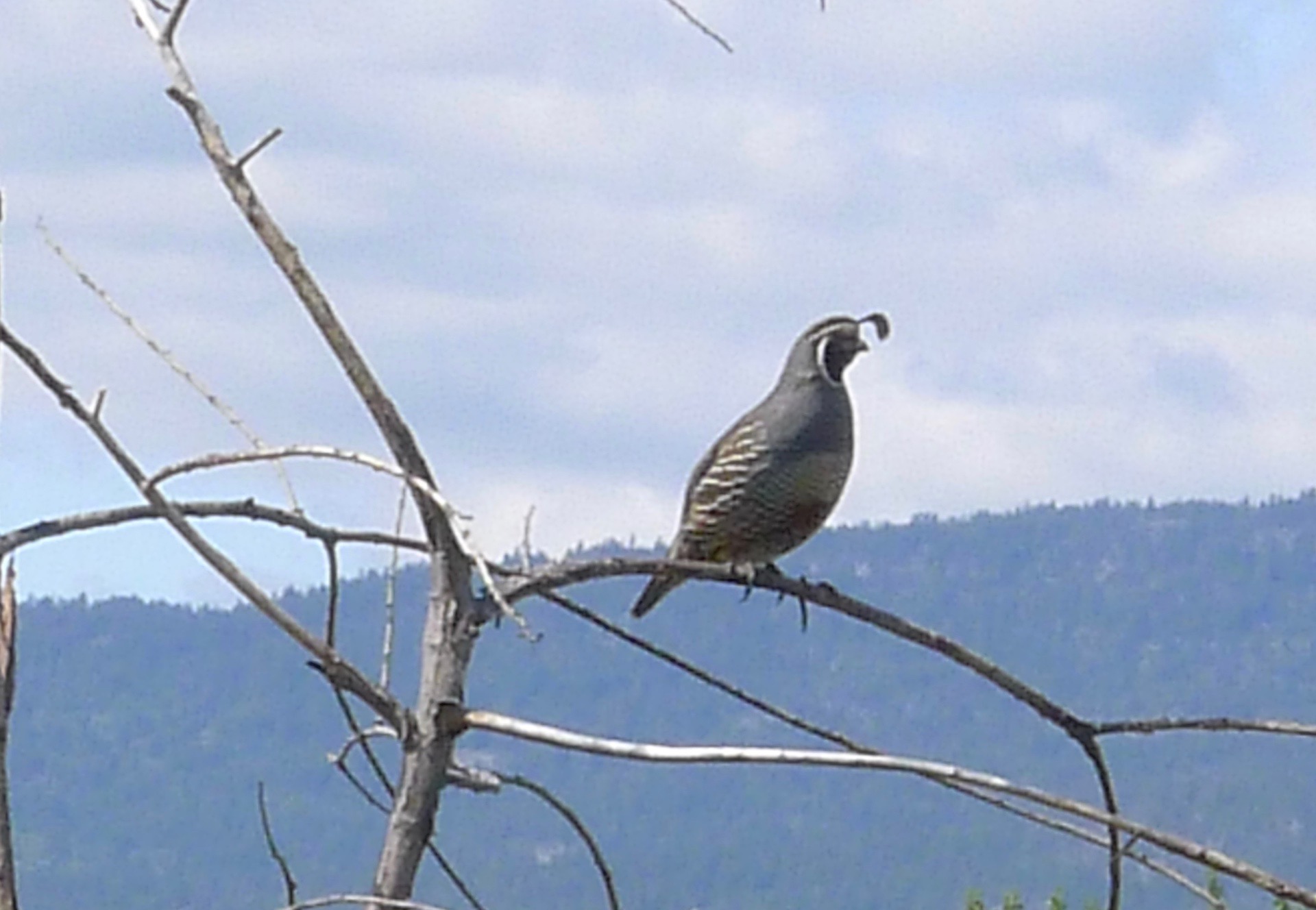
            This is day two of my ride from Rock Creek to Penticton, British Columbia on the Kettle Valley Trail. I have been on my bike for four hours and won’t reach today’s home at Idabel Lake for another three. Memory of the hawks’ sudden appearance distracts me from the heat and the indifferent trail conditions. I think, also, of the two loons that sang a shrill duet as they swam toward each other on Arlington Lake. I will see more of these most Canadian birds on other lakes along he trail. But they will be concentrating on fishing with no time for love songs. 

              Before spotting the Arlington Lake loons, I watched a Canadian goose hen lead her four goslings through a small set of rapids on the Kettle River. The young ones make up for their bland, monochrome coverings with cuteness. By fall time they will display the chestnut and white pattern of the adult goose. Canadian geese have become as common and unwelcome as pigeons in much of the United States but I still admire their markings and the way they protect their young.

            Brochures describing the KVR promise great views of mountains and rivers. They describe the gut tightening series of trestle bridges you must cross to reach to reach Penticton. They warn of possible run ins with black bears, moose or mountain lions. A mountain lion walked within a few feet of me the last time that I did a bike tour in British Columbia but the only evidence of one I will find on this ride is a pile of scat filled with rabbit hair. I’ll spot moose tracks but not the animal that left them. There will be no bears but three white tail deers will freeze on the trail as I slam on my brakes. Mostly my days will be full of birds and butterflies.

            The weather will change drastically the morning I ride away from Idabel Lake. Rain and clouds will drive down the temperature into the low fifties. A constant headwind will force me to wear all my warm clothes. But on the last day, while I breakfast at Naramata, the sun will return and bring with it warmth, as if nature wanted me to leave the Okanagan country with a smile on my face. 

Kettle Valley Trail

It’s 31 degrees centigrade. I am riding a mountain bike up the Kettle Valley Trail. But for a washout I would have missed seeing a family of geese tucked against the opposite shore of the river. There are fluffy chicks hanging closely to their mom.

Around the Bench

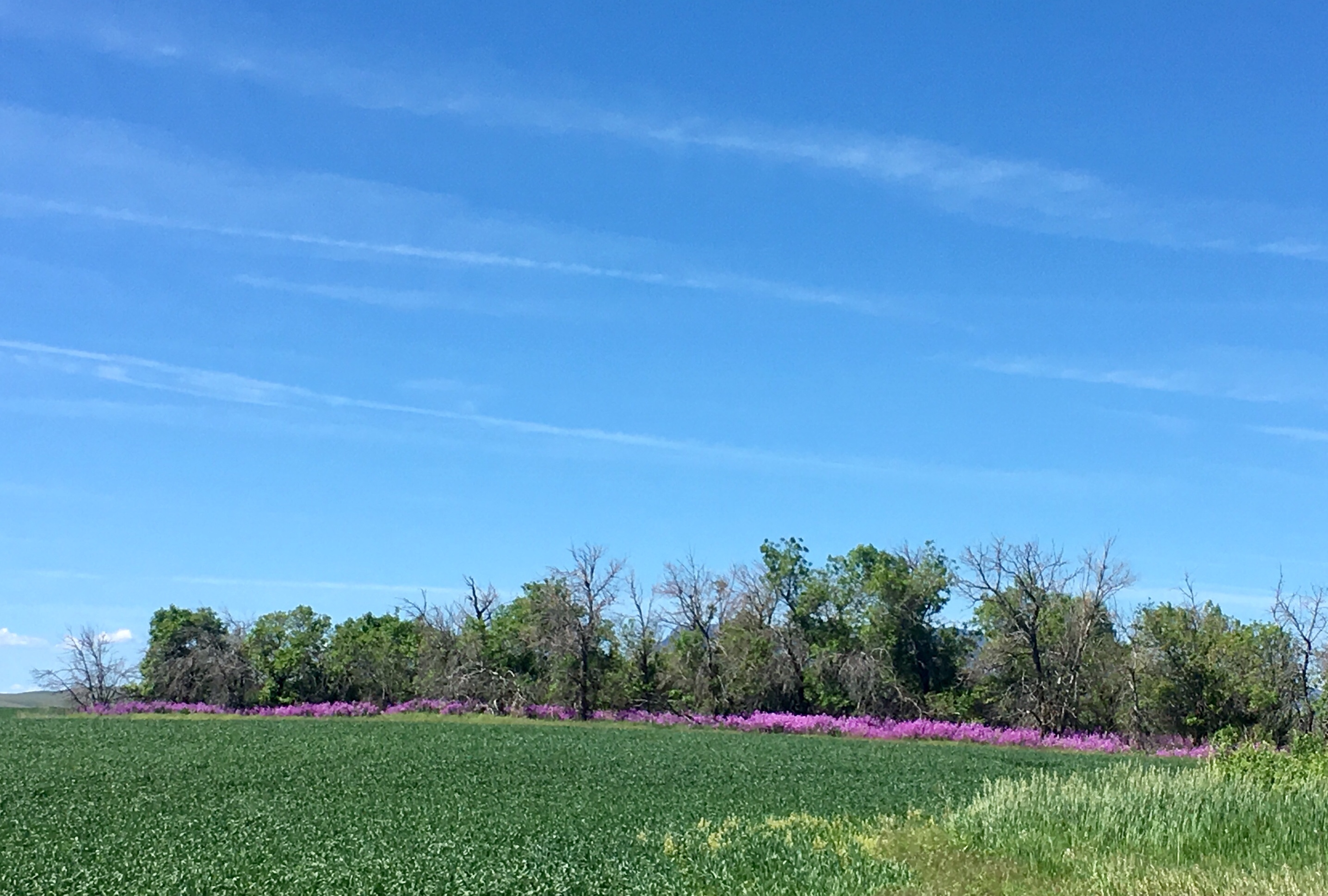
After a wheat truck bounces past the ranch house and the dust that it raised settles, I can hear bird song coming from the shelter belt. Meadow larks and red winged blackbirds, perched on the bare tips of blend in their songs. My grandfather planted the row of Russian olive trees to give the house some protect from storm winds. Today it shelters meadow larks, pheasants, and the occasional deer.

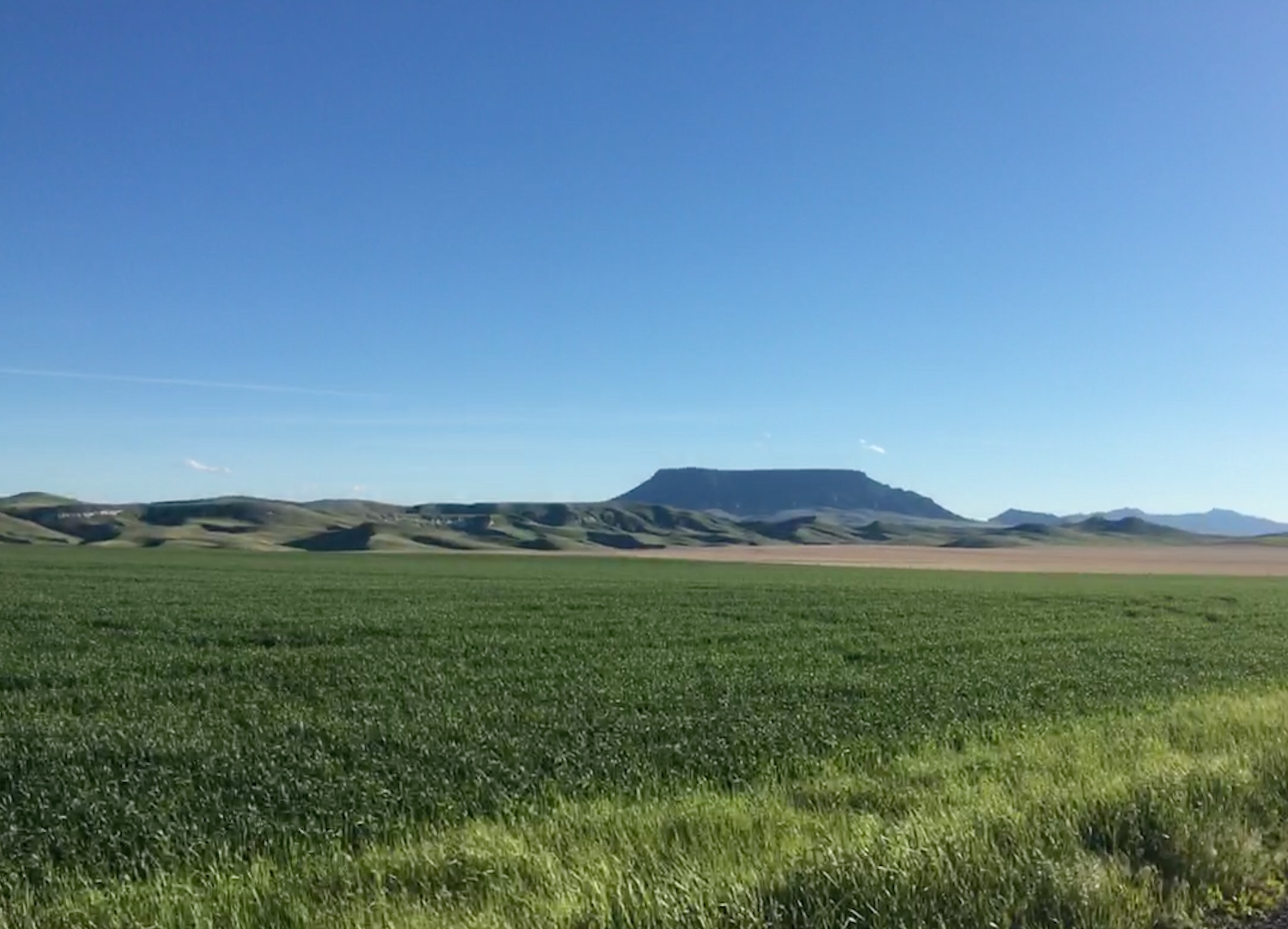
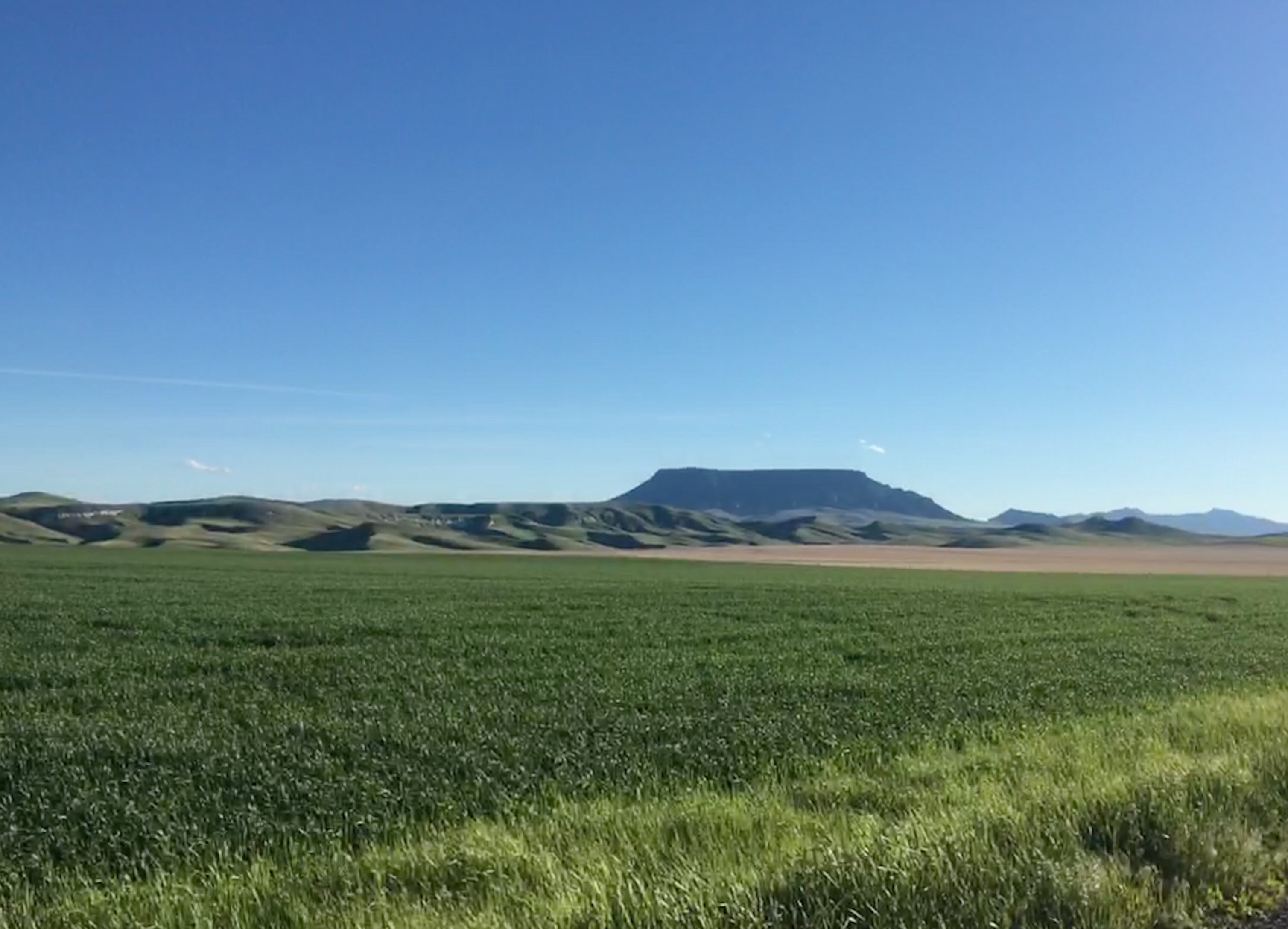
I ride toward the site of the one room schoolhouse that my mother and uncles learned to read and write. The building is gone now. Some of the bench families have buried their dead in a small cemetery near the old school site. It offers a beautiful view of wheat fields and Square Butte beyond.

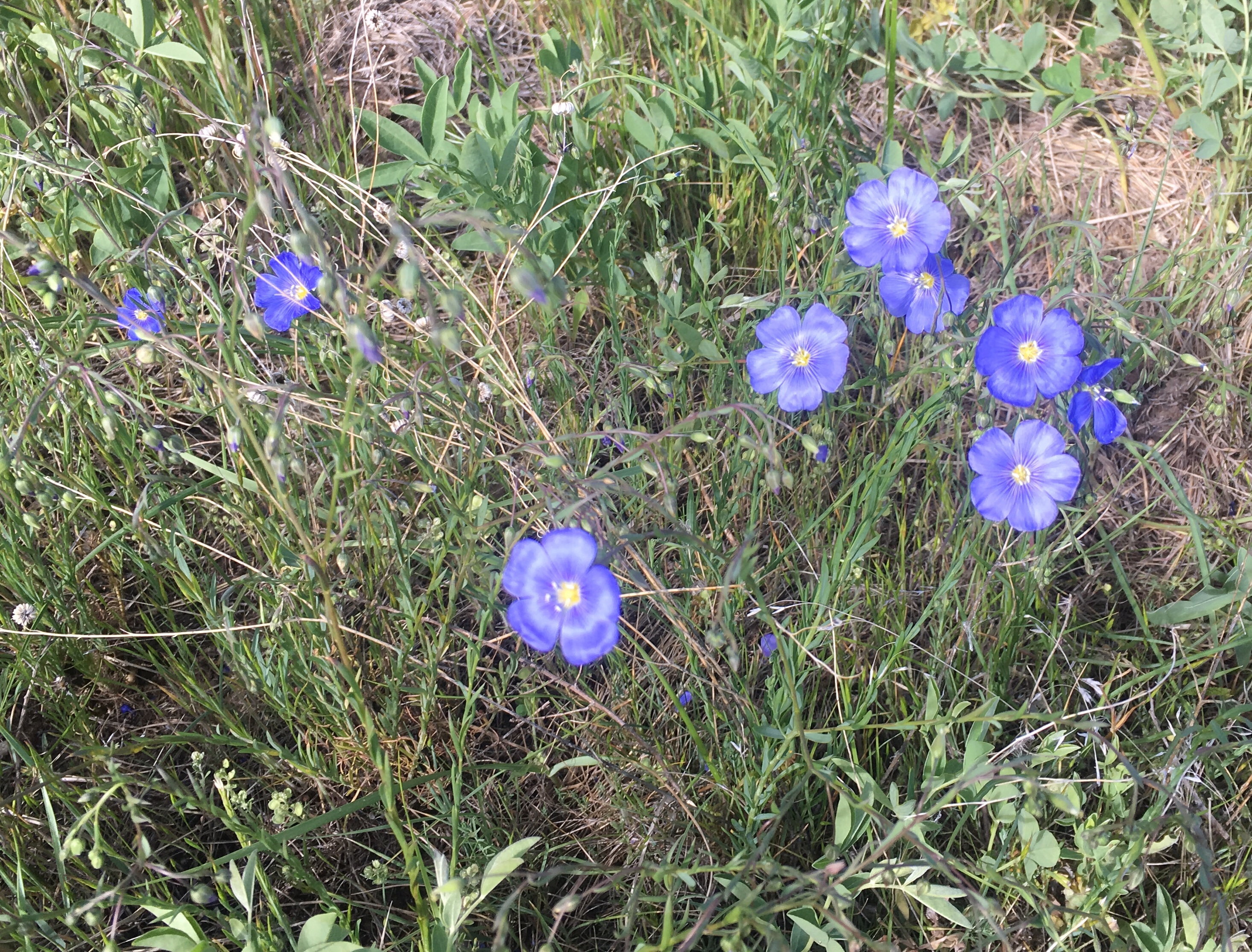
Even though the road toward Square Butte is just drying out from a recent storm, I take it. Two prong horn antelope trot across a wheat field and seem to pose with the butte as a backdrop. Later I surprise a mule deer reclining in some summer fallow. It will stand up, shake off sleep, spot my bicycle, and run full speed toward the nearest shelter belt.

Family Farm

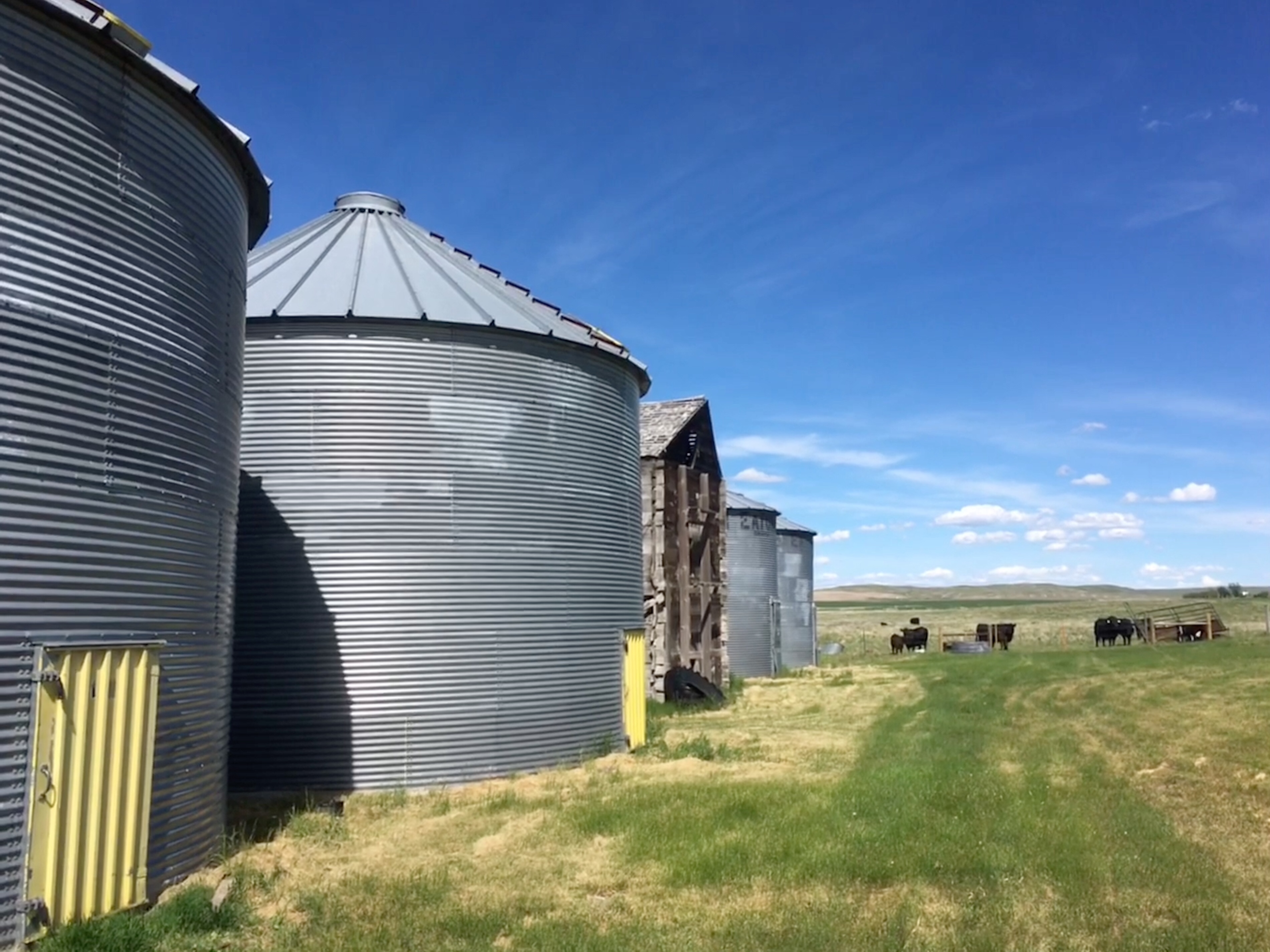
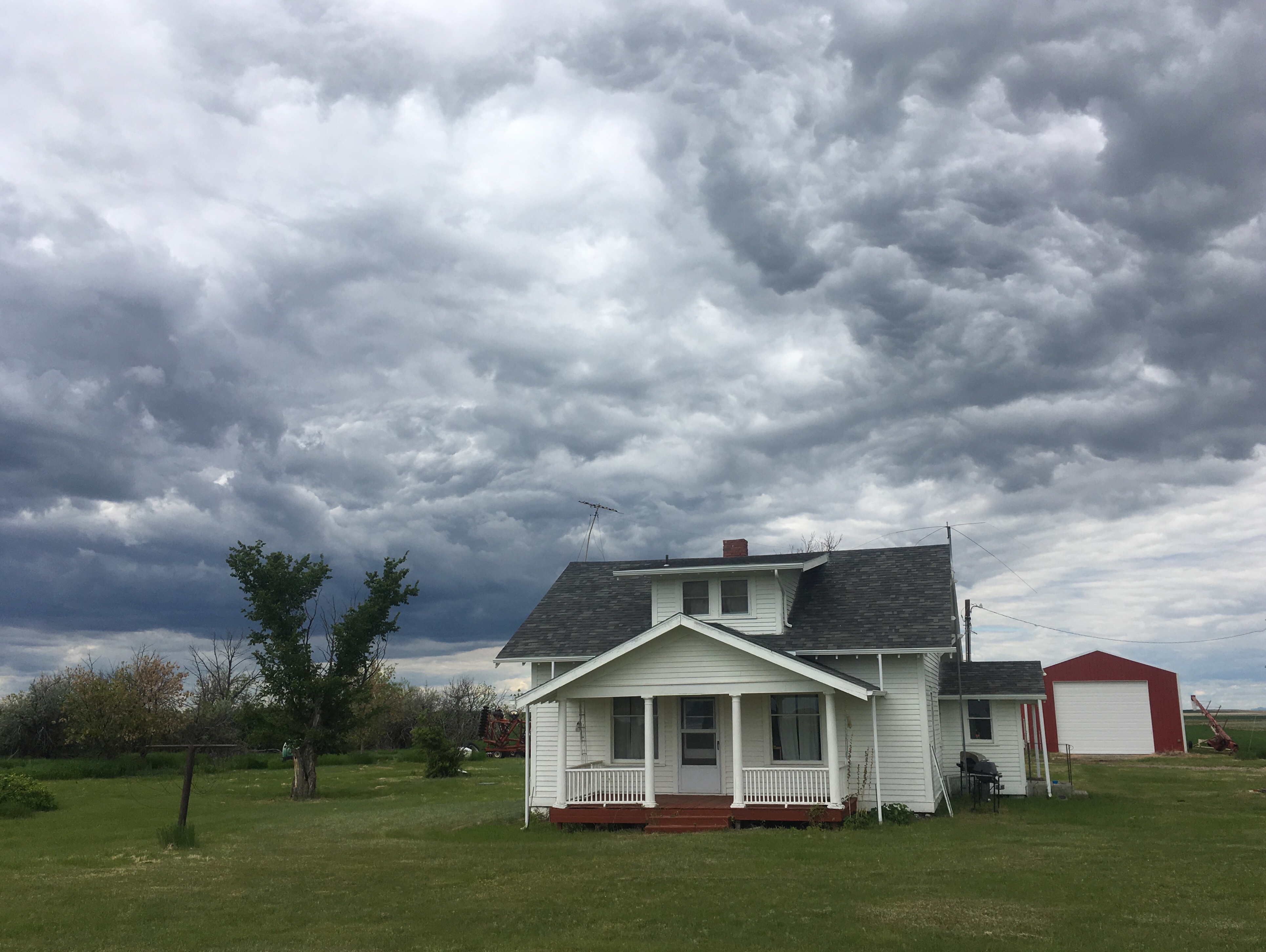
Aki would not have liked the barn cat that greeted my arrival at my grandfather’s Montana ranch. I still think of it as his even though he died in 1923. He homesteaded the bench land before he passed and left my grandmother with three children under 8 and a crop in the ground. Thanks to her two bachelor brothers, she held on to the ranch through the depression, surviving drops in wheat prices and hail storms that flatted the whole year’s crop in minutes.

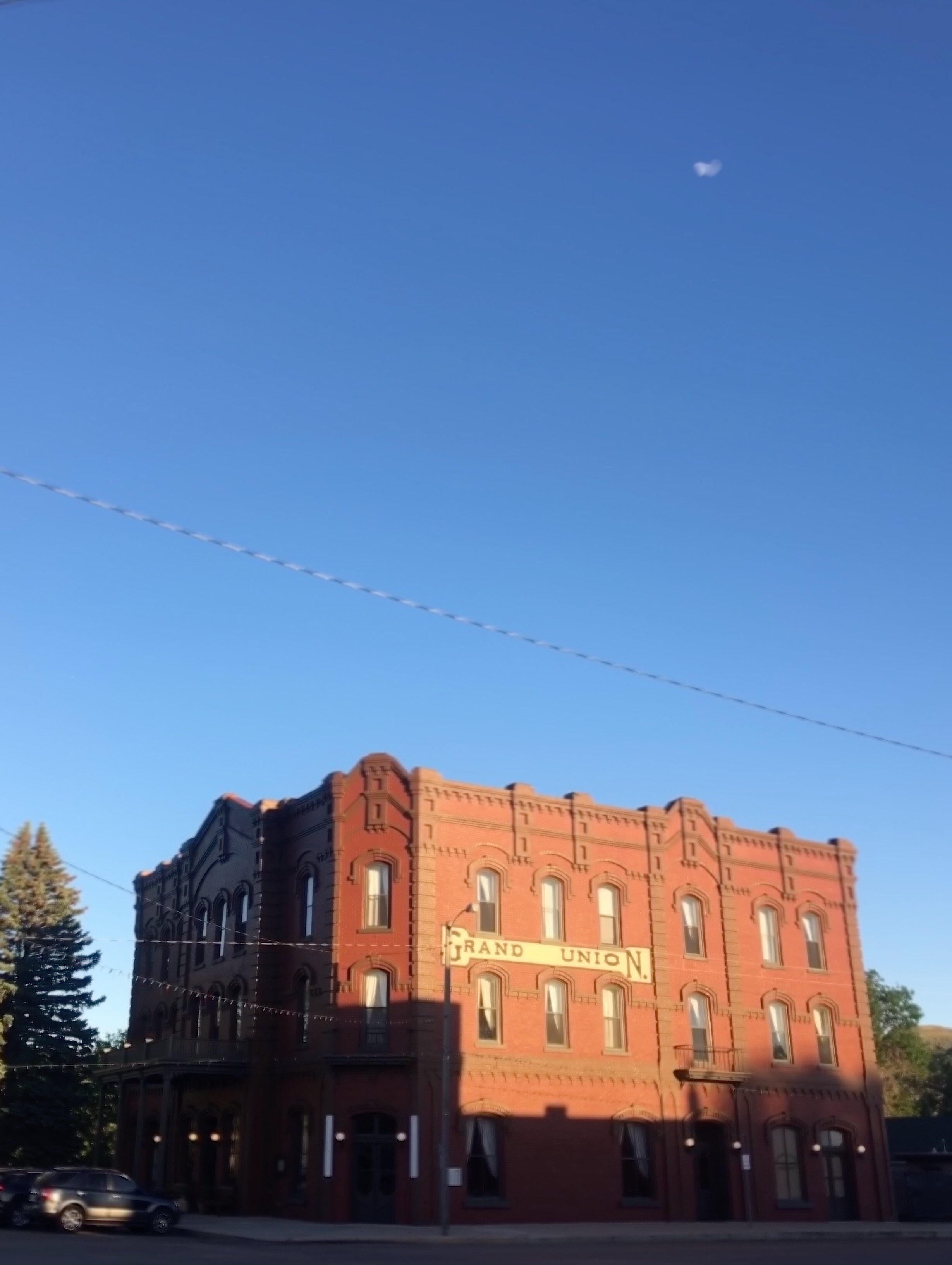
Last night I slept alongside the Missouri River in the hotel where my grandparents spent their one night honeymoon. The next day they rode 40 miles to the ranch in an open buckboard. It was well below zero and snowing. They lived in a one room shack until grandpa built the Craftsman style house where I ate dinner. It was ordered from a Sears catalogue and shipped in parts from Chicago.

Meadow larks sang while I visited the family cemetery and later when I walked among the abandoned tractors, harrows, and shacks that have accumulated over a hundred years of farming. I spotted a loaping bear cross the far side of a field of winter wheat. A half an hour later an antelope trotted into view near the same place. Beyond the antelope low rounded hills and a flat topped butte rose above the field. The farmers of my family are responsible for beauty of the ground where the antelope stands. It enhances the natural beauty of the high ground beyond.

Snake River Osprey

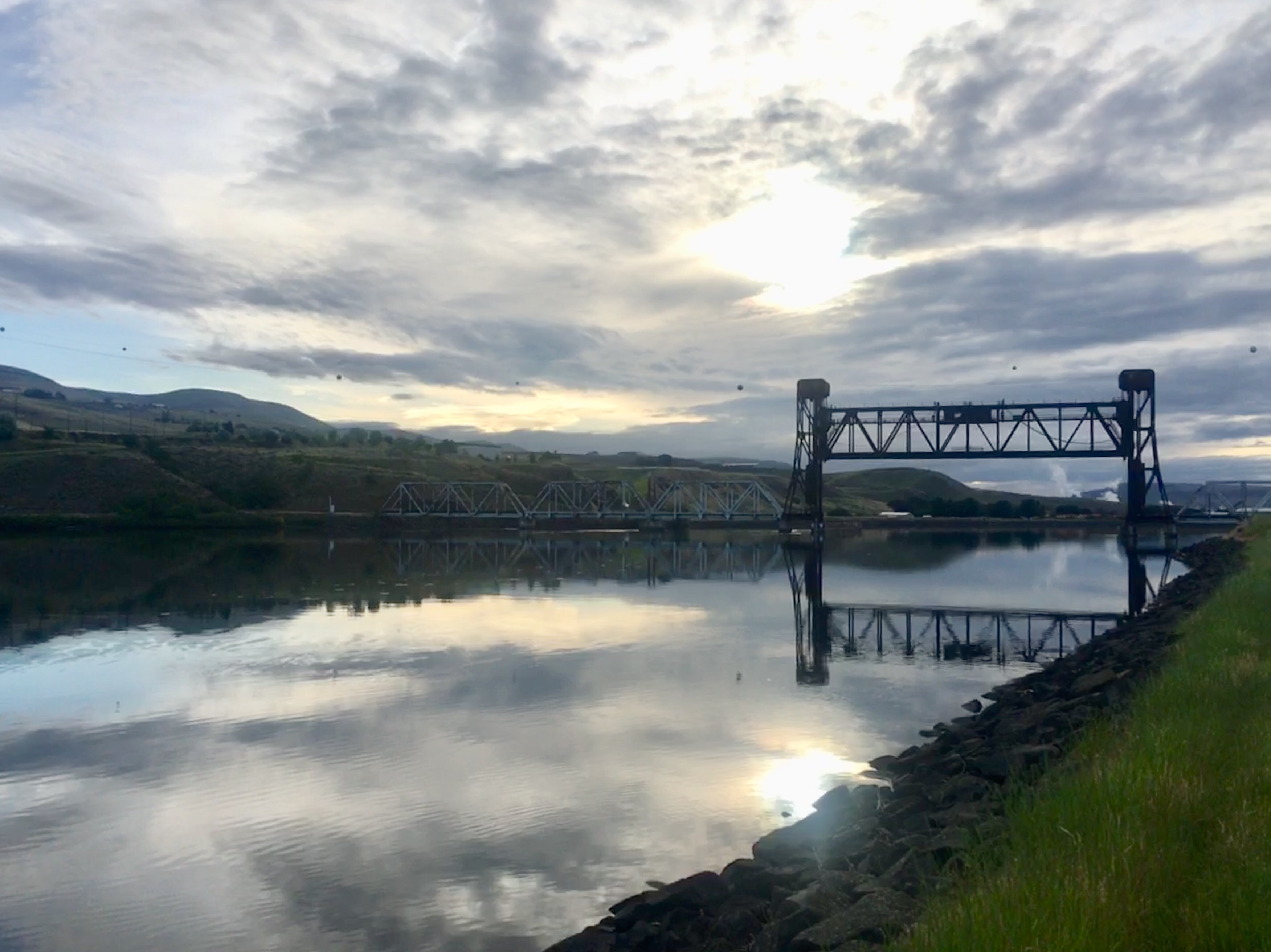
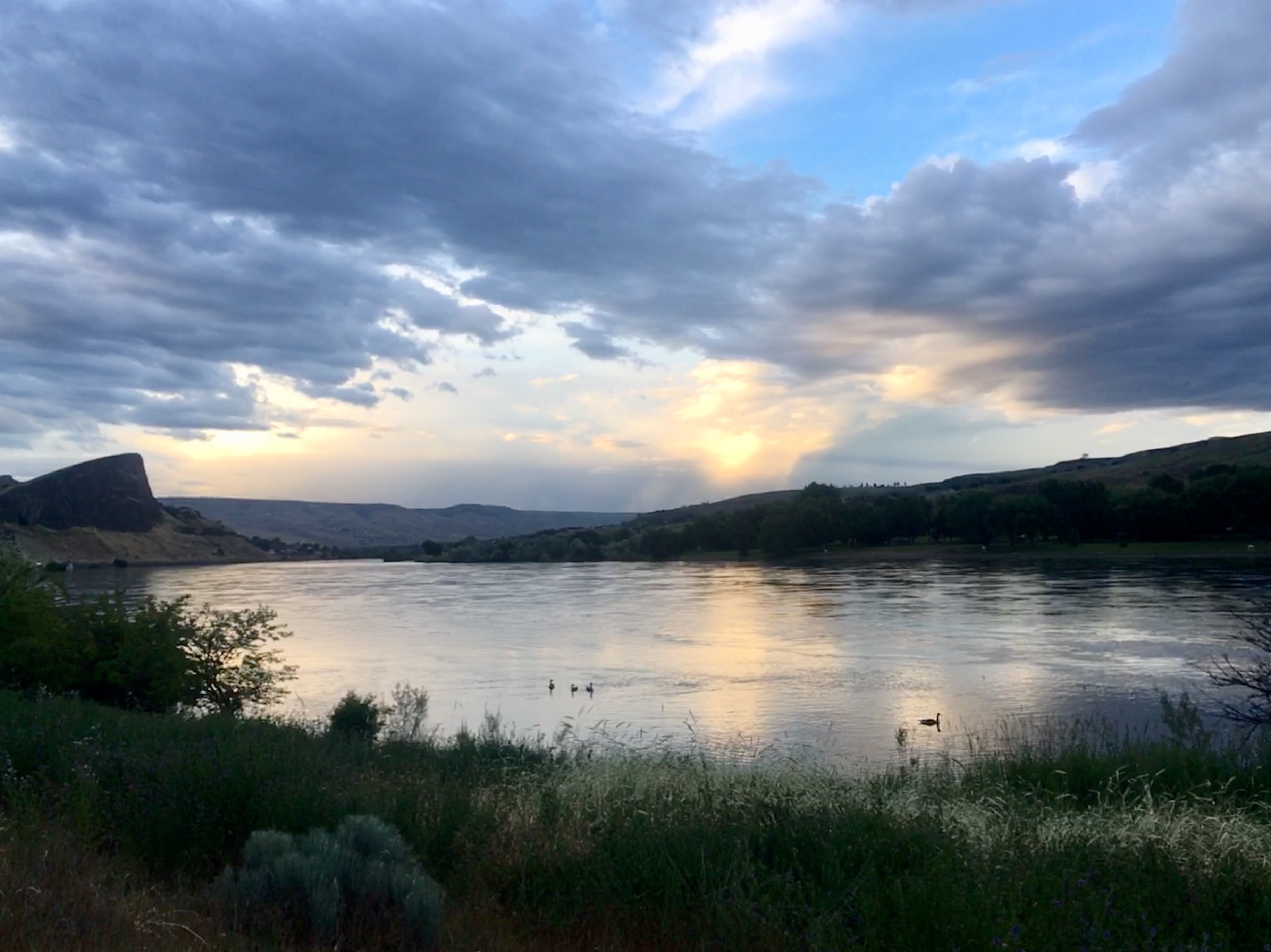
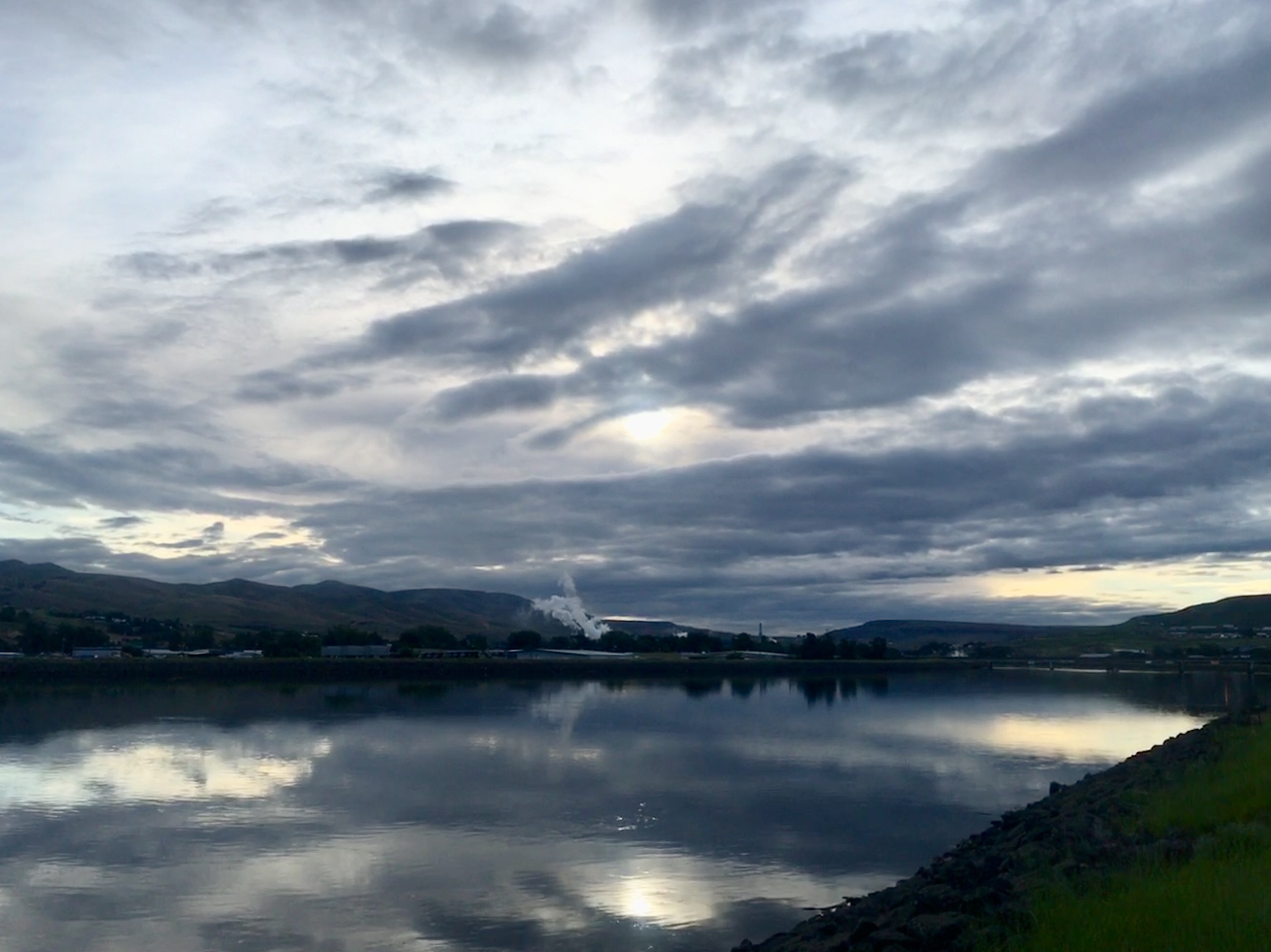
Yesterday, an osprey watched me peddled along the Washington shore of the Snake River. I always considered the fish eagles birds that only work clear waters. From it perch in a cottonwood tree, this citified eagle could watch cars and trucks clank over the interstate suspension bridge. Across the river, a factory cranked out bullets. What it did next left no doubt that it was the real deal.

The bird launched from its perch and hung in mid-air above the river, beating its broad wings to tread air like a swimmer can tread water. It dived toward the river. A sceen of trees blocked my view of the osprey until it had pull back above the tree line, its talons empty.

This morning I passed another urban marmot as well as a great blue heron that let me approach much closer than its Alaskan cousins. Later in the day a coyote crossed the road in front of me. I have long known of that trickster’s ability to thrive on a city’s margins. I suspected that herons can handle the stress of suburban living. But the osprey really surprised me.