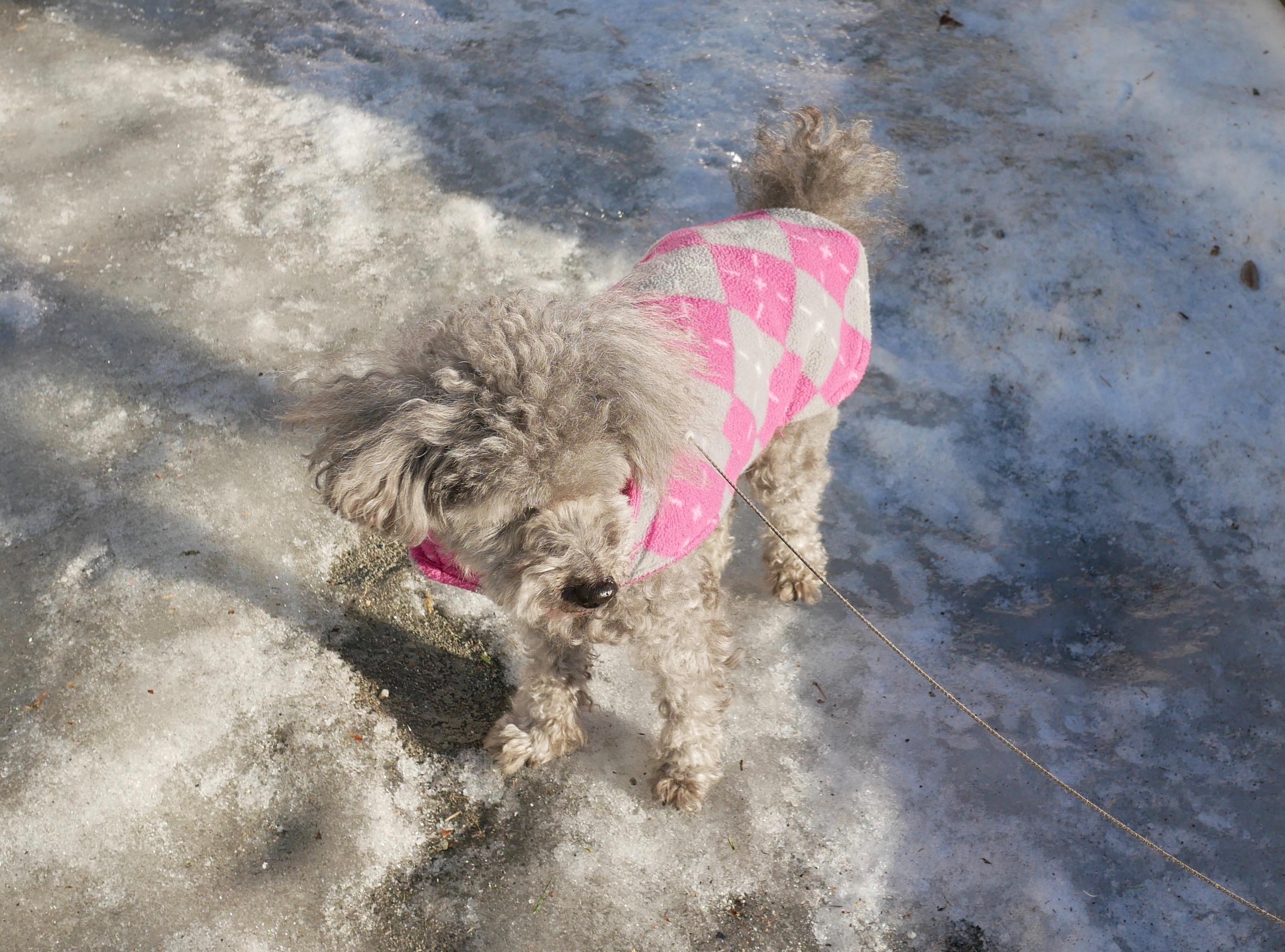
Five Inch Storm

Last night one of those five-inch-rains deals started. This morning it is still a storm, not a rain shower. Strong wind shivers the car as we drive out to North Douglas. It turned out to be a bad choice. 

            A few thousand feet into the forest, we hit the first problem—ten feet of flooded trail. Aki started to cross it first, slowly planting each step. He seems to think that if he slipped he’d be carried downstream by the little flood. This slowed me down, allowing more water to slip into my boots. 

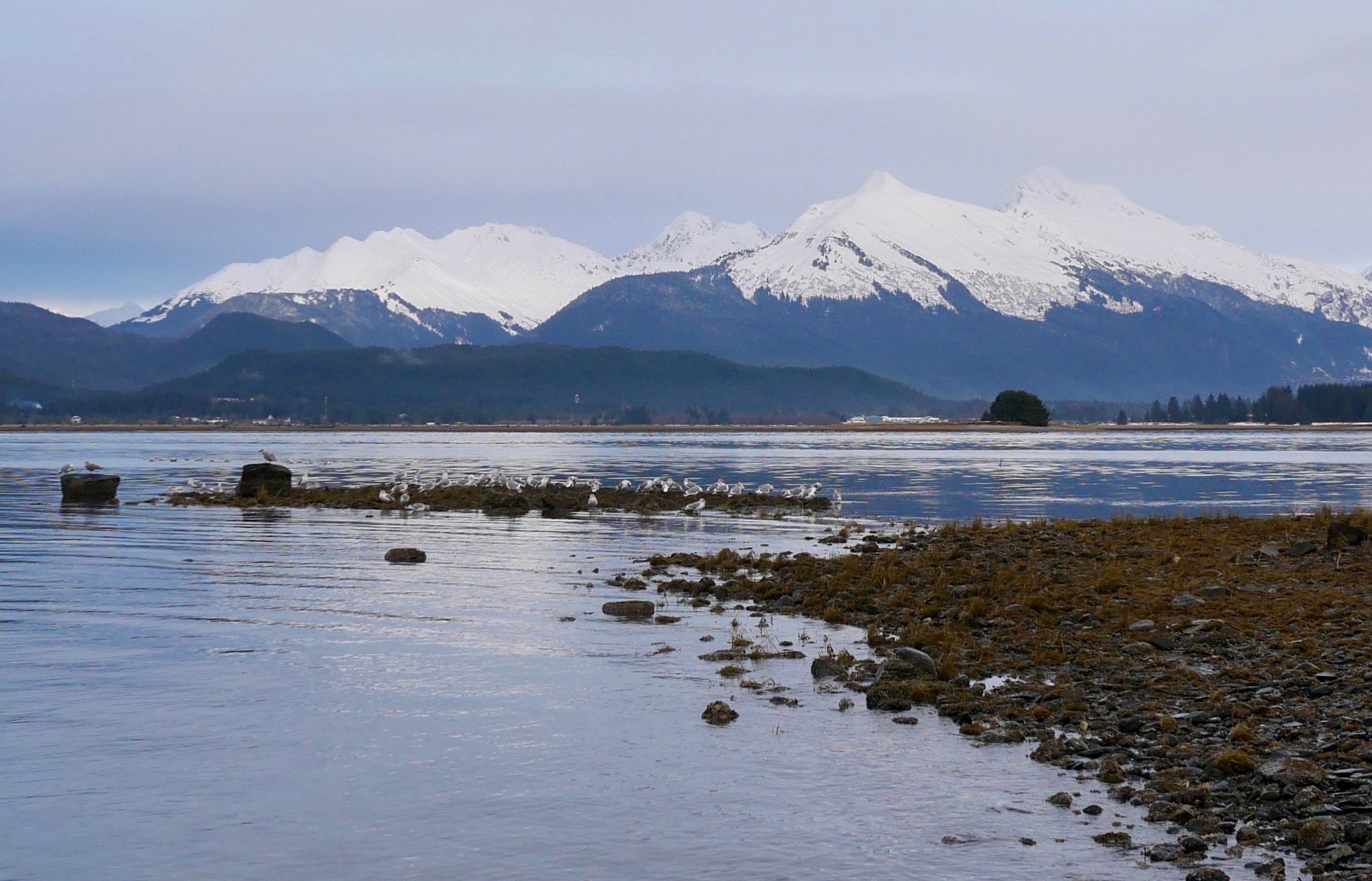
           We had to pass through many similar puddles, each one soaking Aki’s fur and my boots. The rain soaked my parka and Aki’s head and back. It drove away most of the ducks and gulls. But we did spot the little trio of harlequin ducks nestled near a pile of rocks on the beach. 

Harvesting Before the Storm

We are out to collect seaweed for the garden, not look for stunning sky or breaching whales. As we left the house the weatherman said we were about to be hit by a couple of days of heavy rain. This time of year, with the temperature well above freezing it, rain would wipe out the snow layer. When the temperature dropped back, ice-slick ice would cover our streets and trails. I wanted 20 gallons of seaweed spread around out garden before that happened. 

            Other gardeners had already carried off all the seaweed from the first beach we checked. I’d gotten lots of seaweed off this beach before the covid virus reduced job opportunities for the local. Now they do more hunting and gardening. They must have snatched away all the seaweed from this and every other roadside beach.

            We find a thick blanket of detached seaweed on the last beach we could check. It required a bit of a walk but it was worth it. In a few minutes we filled four big buckets with rock weed, leaving me plenty of time to watch bald eagles circling in the nearby sky before diving down to pluck edible things from the sea. 

Subtle Light

The trail to Favorite Channel is empty this morning. I am not surprised. Slip ice covers the trail. Without grips, I would have already fallen on it. This is getting to be an old story. They are usually almost always true. This one is.


Every once in a while, Aki and I spot filtered sunlight through snow-burdened spruce trees. A full moon would cast more light in these woods. But hoping to see it reflected in salt water, I lead Aki to the beach. We have to be careful to move down the trail. I have to keep my eyes on the trail to avoid the dangerously icy bits.
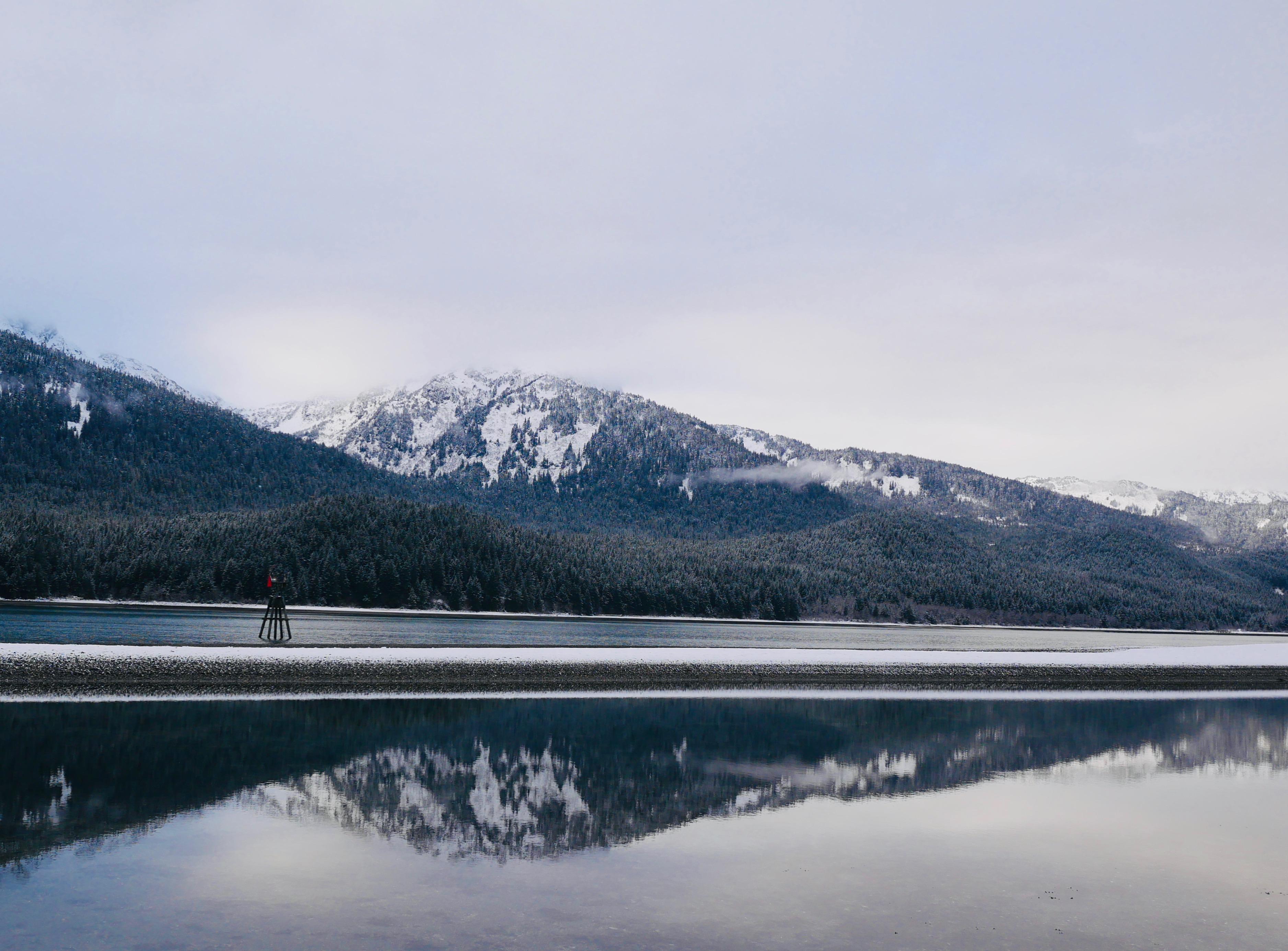

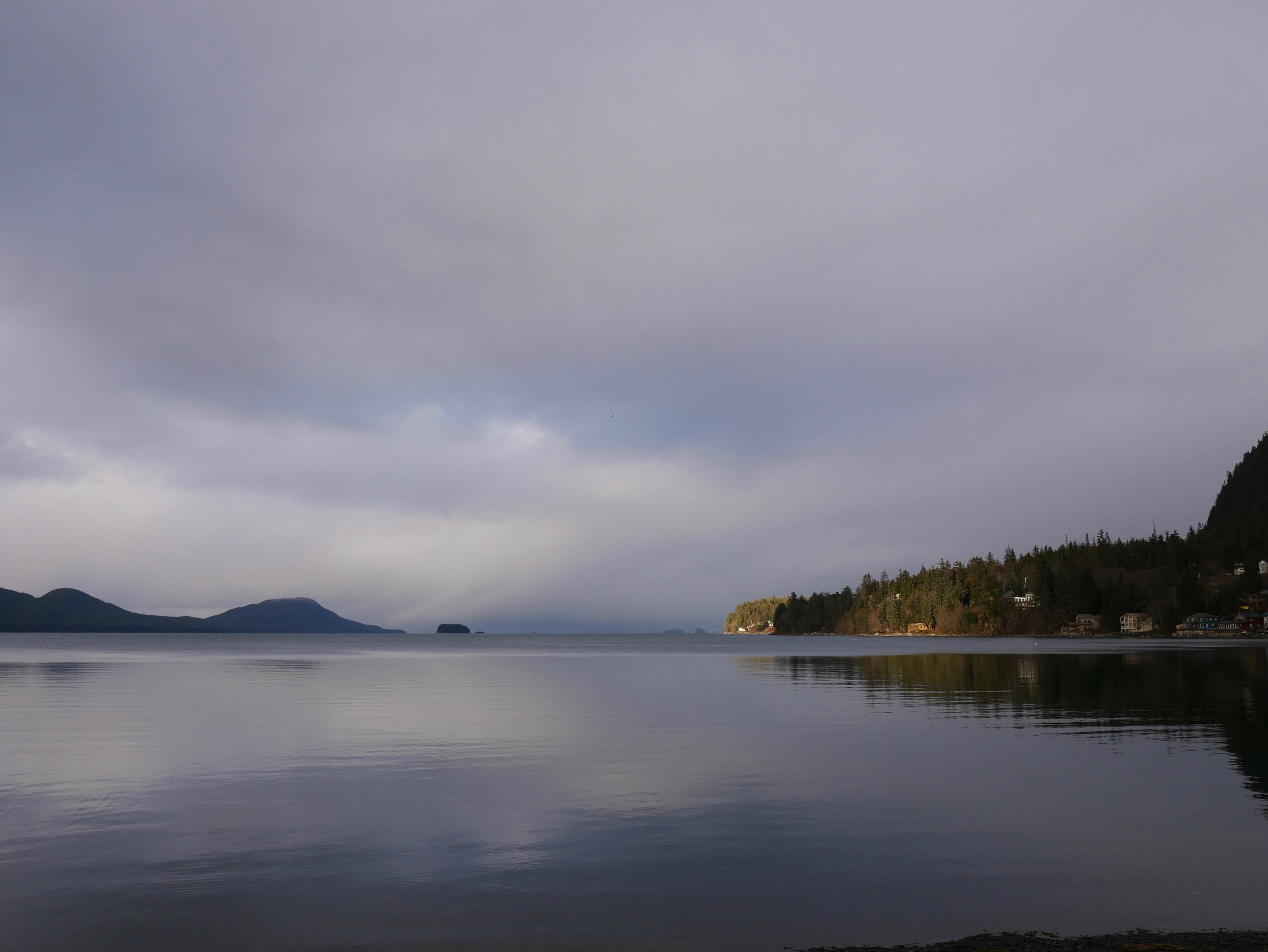
Aki lets me walk into the beach alone so she won’t inadvertently chase off any ducks. It’s a wasted effort. The place is empty until two gulls land near the beach. But we can still see a bit of the sun powering through marine clouds to reflect some light on a patch of the offshore water.

Forced to follow slick, but still useable ice

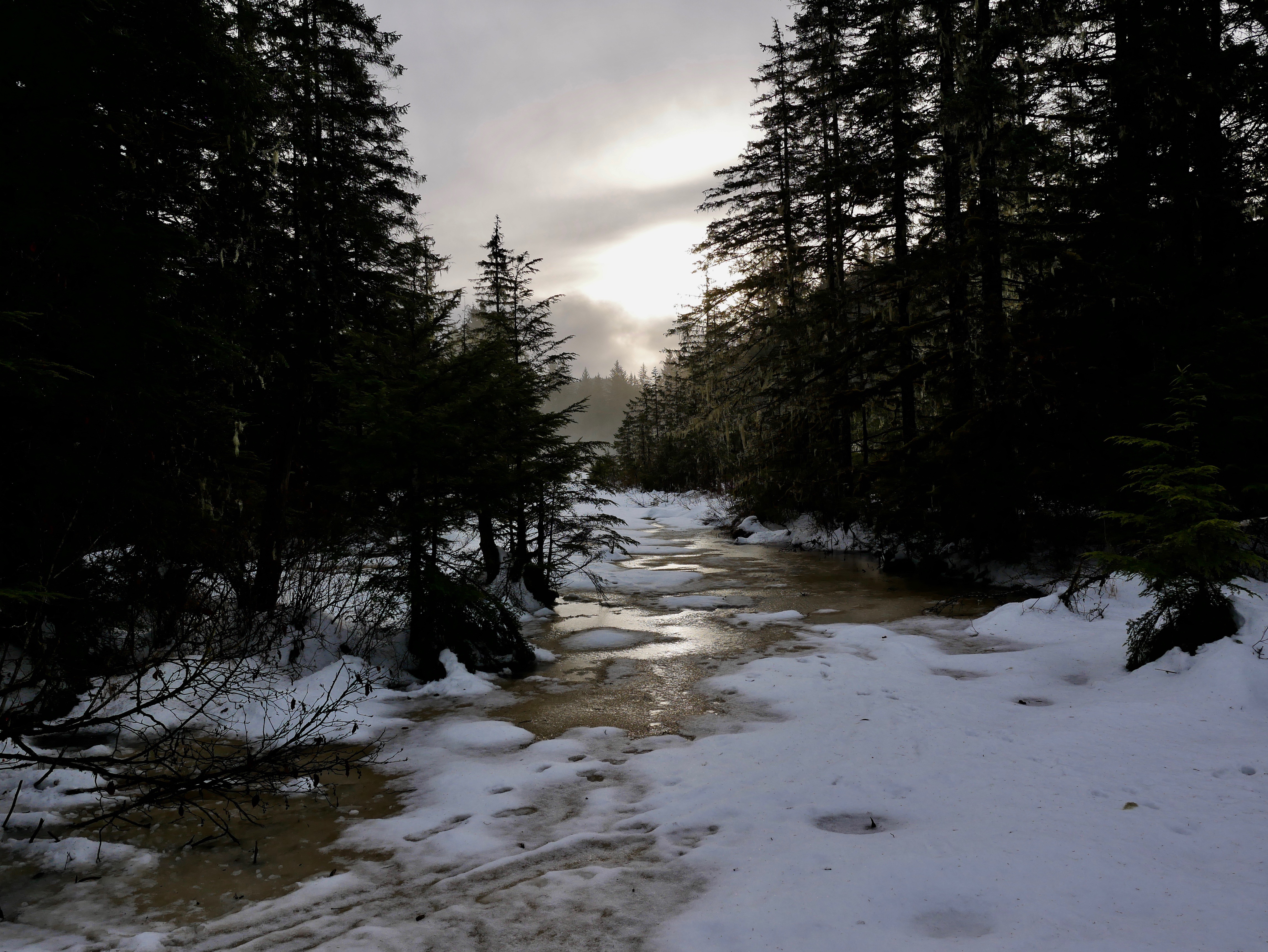
The trail is covered by slick ice, made even more slippery by pools of snow melt and rain water. At least one dog walker had to retreat back to the parking lot after walking a few steps down the trail. The ice grippers that cling to my boots make my passage safe.

            Together Aki and I work our way to a little passage to Sandy Beach. Last night’s high tide rush cleared ice and snow from the beach. We would drop on to it in a New York minute if it was clear of other dogs and people. It is not. Four or five folks walk down the beach in the direction we want to use. 

            The dog folks, having found this magical stretch of easy passage, walk slowly down the beach as their dogs play tag with each other. Sometimes they stop to exchange recipes or tall stories. Walking a slow, safe pace on the icy forest trail, Aki and I keep pace. I think about dropping down on the beach to make a wide, covid free swing around them on the beach but the incoming tide has already narrowed it too much for safe passage. Instead, we stay in the people free forest and circle through it to the car.

Acceptance?

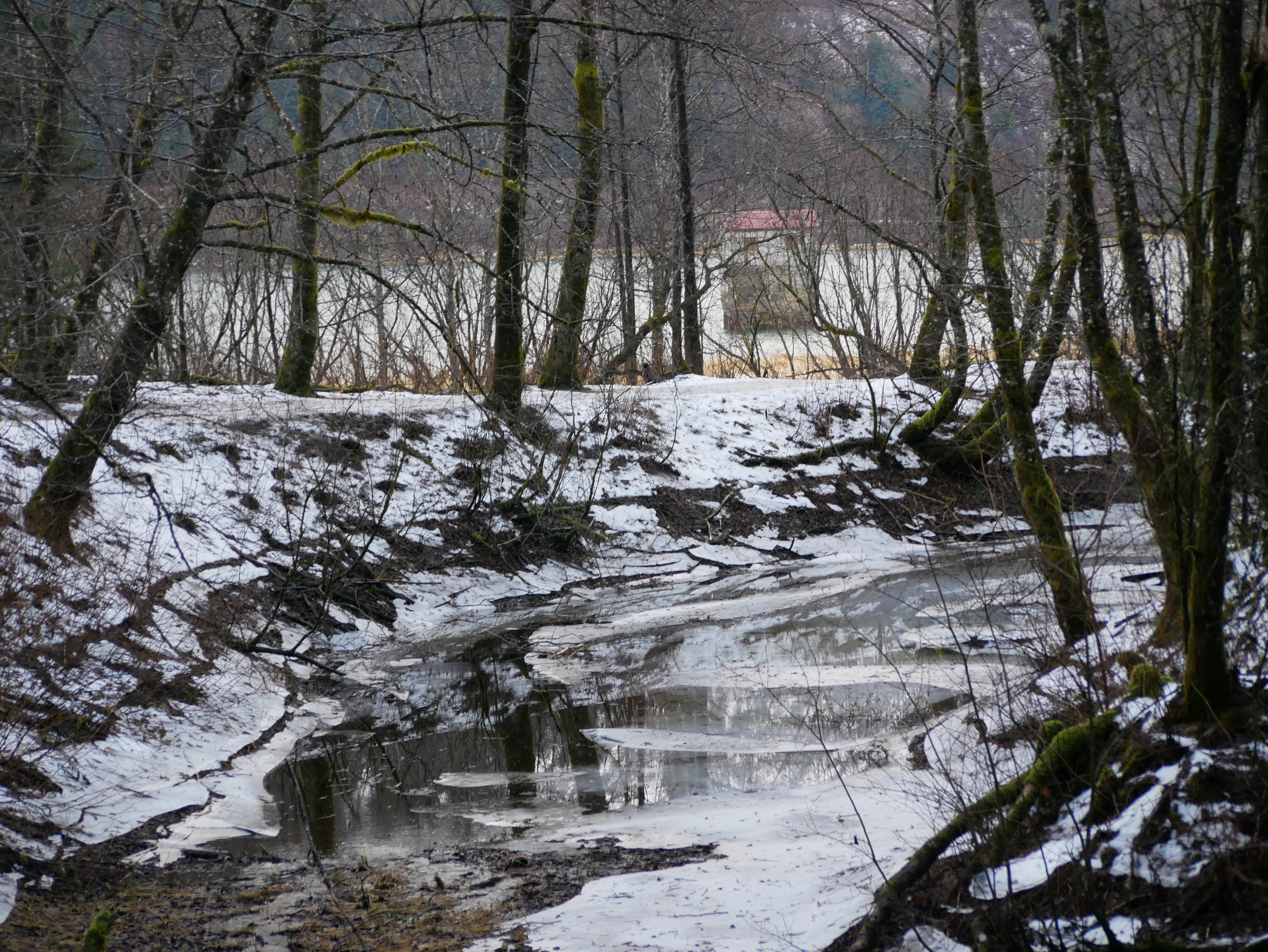
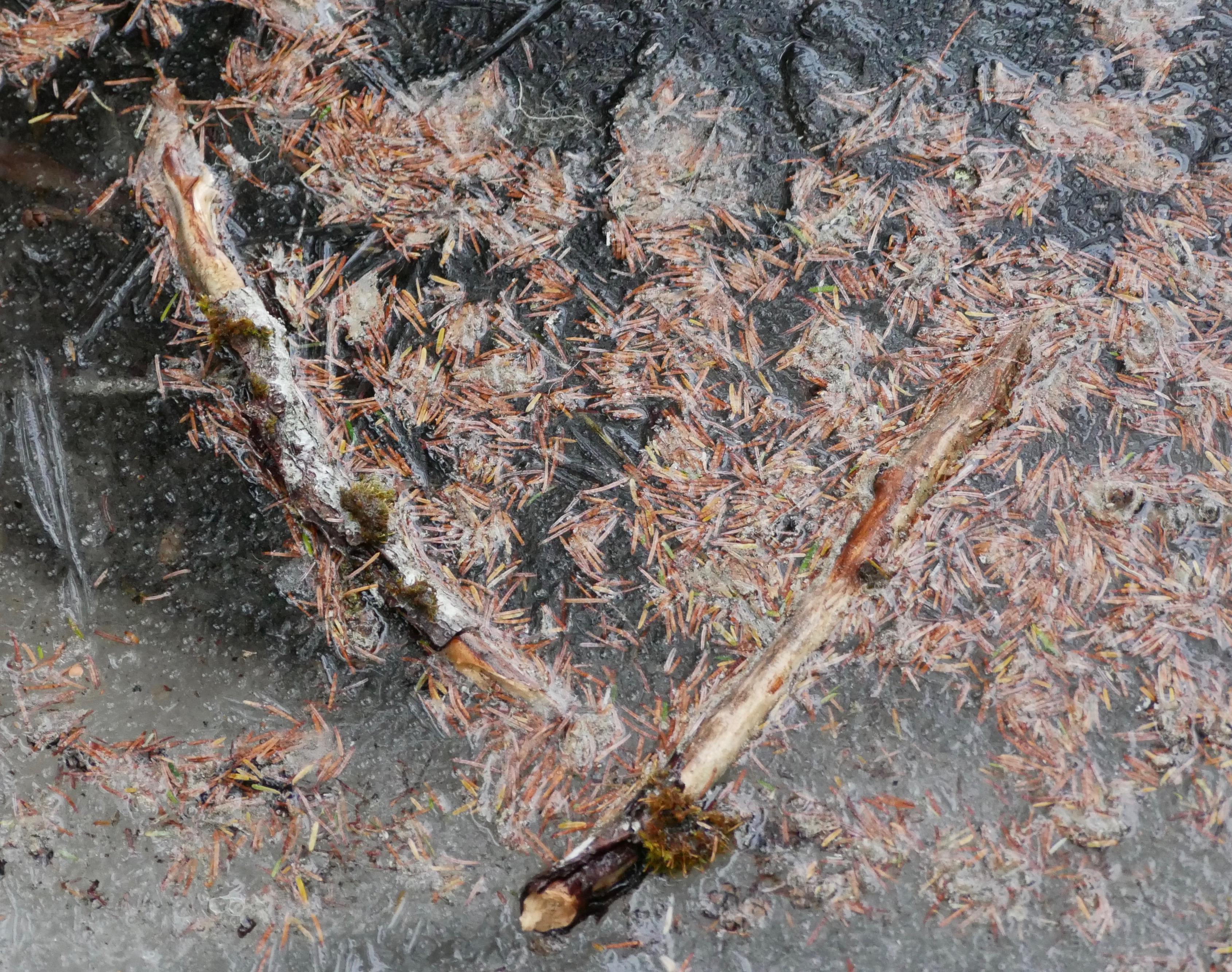
The slick-ice trail makes our walk to the beach challenging. It’d be dangerous if I weren’t wearing ice grippers and Aki is a skillful ice dog. We pass the beaver pond. Thanks to the recently snow melt, we can see the just frozen holes that beavers use to leave the pond water. They do that every evening so they can patch holes their pond dam. 

            We see little on the way to the beach except for the portrait of a dragon’s head formed by receding ice. The beach seems empty of life when we reach it. Then a gang of gulls lands on the gravel about twenty feet away. They take up posts on the tops of exposed rocks and give us the hard stare. I still feel honored, maybe even accepted by the normally careful gulls.

            Further down the beach we stumble on three harlequin docks. One, a female, is perched on the water’s edge of a rock watching a gull watching Aki and I. The other two harlequins stand nearby on the beach, also watching the rocky gull. This distraction allows us to get pretty near the ducks until they spot us and take to the water. 

Calm, if Icy

Slick ice topped with a layer of rainwater covers the trail along Fish Creek. By having metal ice grippers secured on my boots, I can move safely down the trail. Aki’s paws slip a little with each step but it doesn’t slow down her progress. Together we manage to reach a little pond that fills with spawning king salmon each summer.

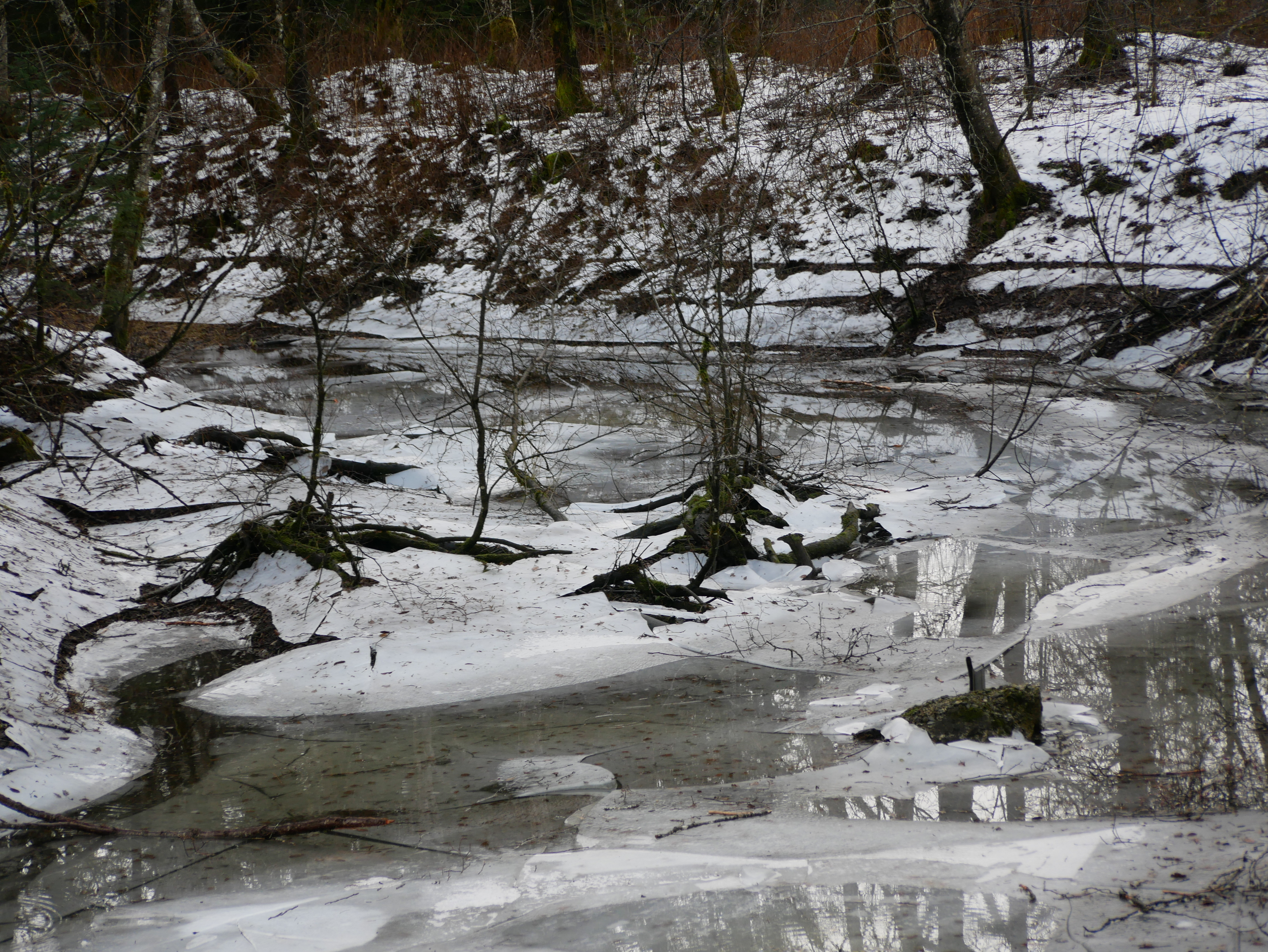
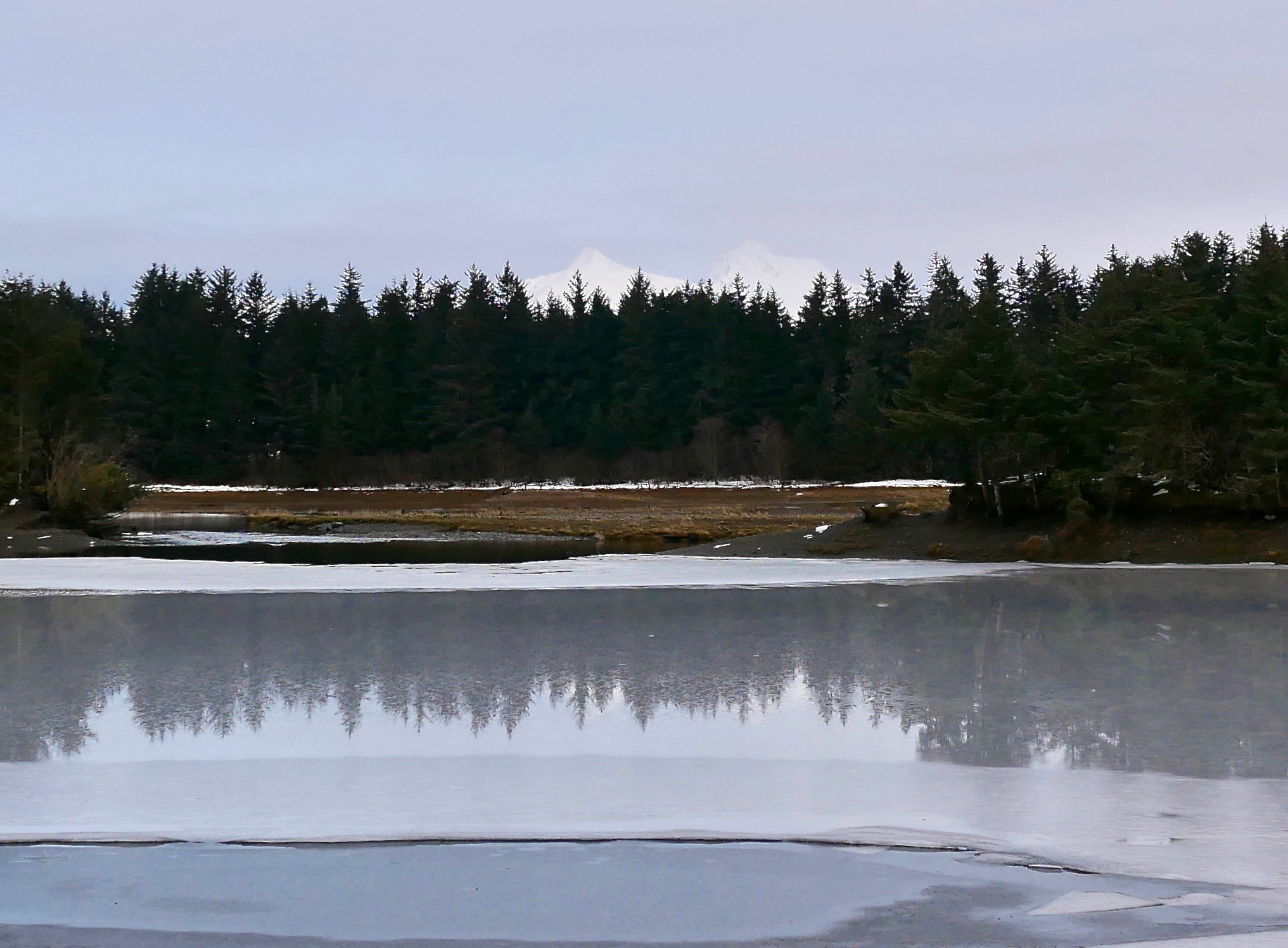
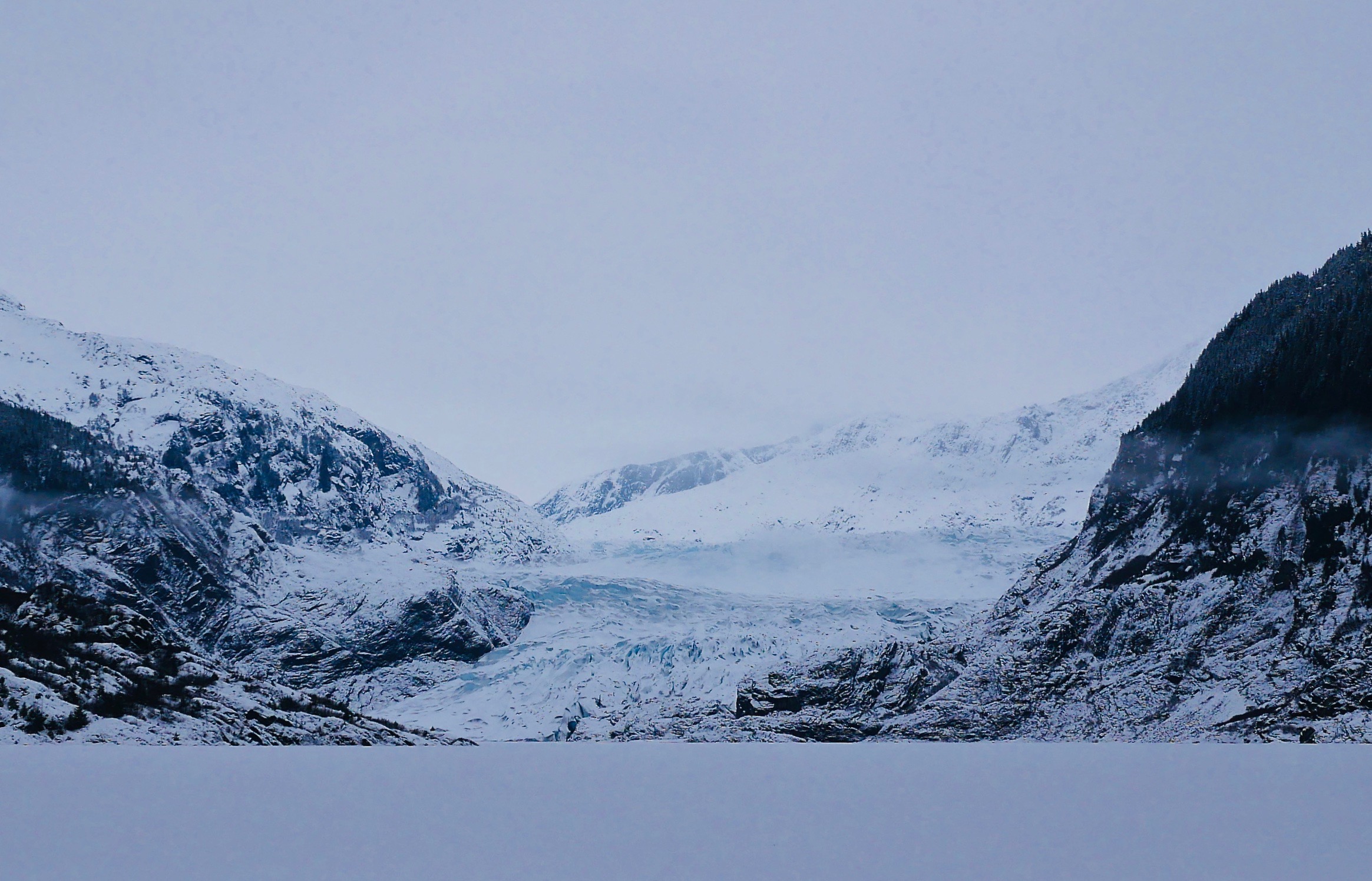
            The salmon all died months ago. Now no ducks cruise the pond. Most of the pond is still covered with frozen ice. After passing the pond, the little dog and I take another icy trail down to the mouth of the creek where the glacier and the surrounding mountains are reflected by the creek’s calm waters. 

Evidence in the Snow

It’s been a while since Aki and I walked on this trail. The government makes it illegal to walk with dog on it until the bears leave to hibernate. That has happened. The trail takes you through a forest of young spruce trees. Not too many decades ago, the land was too compressed by the shrinking glacier for the spruce.

            Soon we drop down a short trail to Mendenhall Lake where a well packed trail heads toward the beginning of Mendenhall River. We see few people but lots of wild animal tracks. A coyote left many of them. I wonder that the little hunter was be attacking. Then we spotted the tracks made by a snowshoe hare running for its life.  

Walking Before the Next Storm

Winter came early to this capital town. Snow covered our yard weeks ago and hasn’t been washed away by rain. The weather service predicts five new inches of new snow this afternoon. Aki and I try to sneak in a cruise of Downtown before the storm hits. We work our way up Gastineau Avenue. It’s already snowing now. White flakes collect on the top edges of gray alder limbs, making them look bright against the storm-grey clouds. 

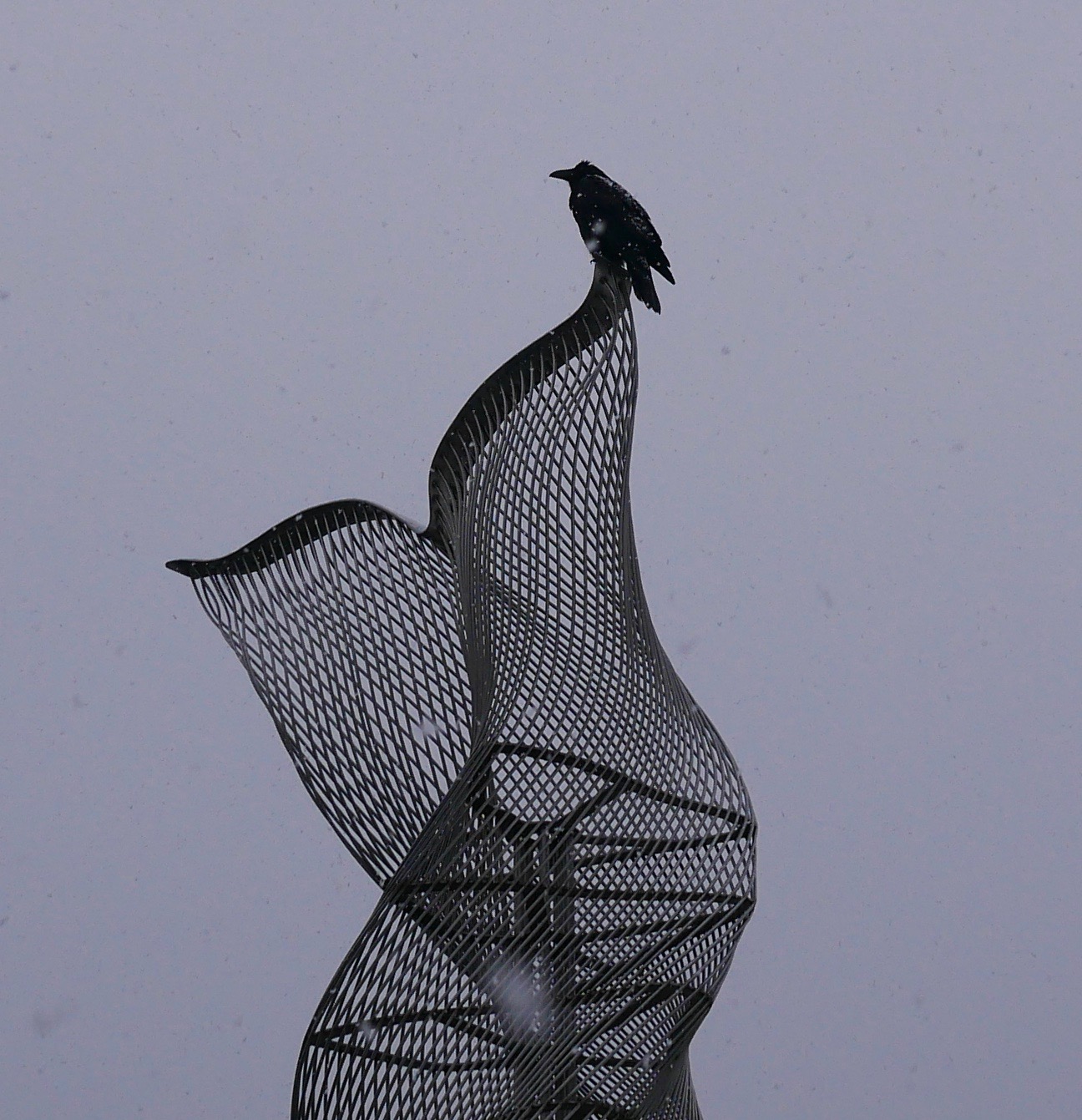
            Ravens are waiting for us after we leave Gastineau and work our way over to the cruise ship docks. By now the new snow has formed big lumps on my boots. It makes me walk like a raven, rocking from side to side and I try to move forward without falling over. 

One of the ravens flies over so Aki will chase it. Aki growls but won’t chase, even after the raven takes flight. It lands a few away and looks a little put out. A half dozen other ravens sulk while we pass. One, who might not have seen us approach, flutters its feathers, making snowflakes fly.       

Winter Victim

For the past few weeks, Aki and I have spotted a pair of Sitka blacktail deer does walking near a road that leads to Sheep Creek. We drove out there this morning to walk around a delta exposed by the low tide. We didn’t see any deer along the road or even any  had eagles.

            It had snowed while the tide retreated early this morning. Today’s incoming tide will melt the fallen snow. But now, with the tide at its lowest, a thin blanket of white still coveres the exposed beach. The snow enriches the view by emphasizing the curves and dips of the tidal ridges. I can’t remember seeing this before.

            We walked out to the edge of the now exposed wetlands and then to the beach’s end, where amateur gold miners have parked their makeshift dredges. One was made from the body of a tired looking pickup truck.            

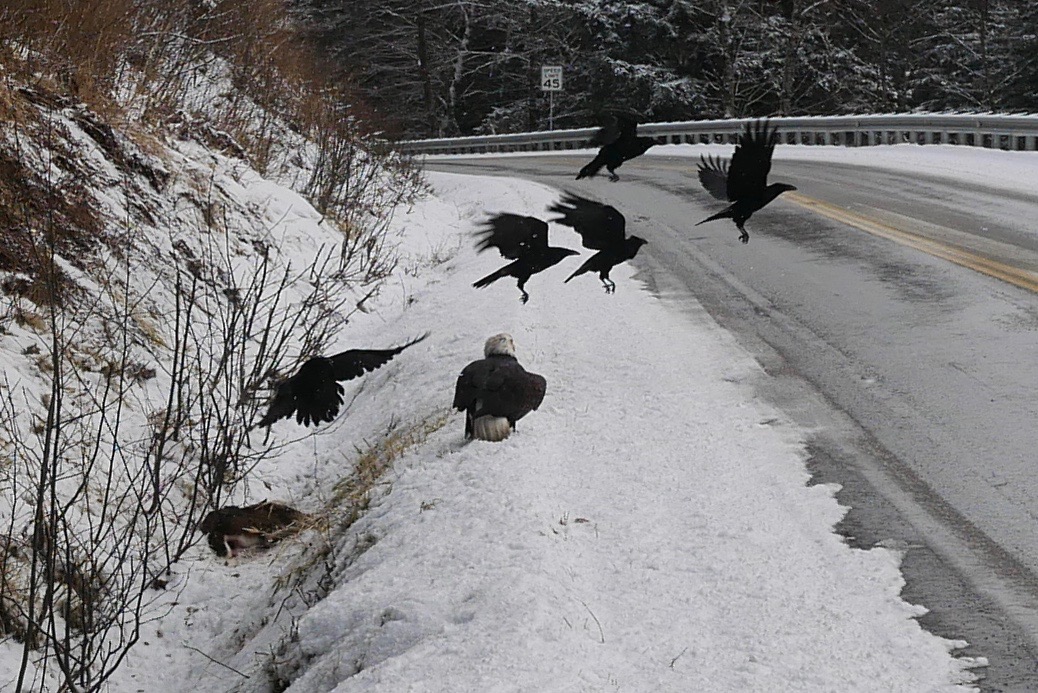
A collection of eagles and ravens had gathered along the road side. We drive past them on our way back to town. I stop the car and head toward the collection of hungry bird. They let me get within twenty feet before flying to roosts across the road. Then I spotted one of our Sitka black tailed deers lying dead on roadside snow now tramped by the thorny feet of the hungry birds.  

Aki’s Turns 14

Aki doesn’t act like this is her 14th birthday. She is planted on a very slippery ice, waiting for me to drop a bag of her poop into a bearproof garbage can. After I return, she and my wife walk off the ice and onto a snow free Basin Road.

            In less than a block ice and slick snow again covers the road. It will be this way as we travel up the road up to Gold Creek crossing and then walk onto the newly reopened Flume Trail. It’s been shut down for the last two years for repairs. The last time we walked it in winter, twenty-footlong icicles hung from the bottom of parts of the flume. We see none today because they finally patched the leaks.

            The flume carries water from the Gold Creek Valley to a tiny hydro plant near the Indian Village. The plant can continue to deliver electricity to Juneau town if landslides stop the main power lines.    

       Aki walks along the flume trail until we reach a patch with ice, rather than snow. Then, she throws on the breaks. My wife and I try to talk her into continuing. But she won’t move. Frustrated, I look above her and see forty knot winds pushing cloud of snow off the sides of Mt. Roberts. If the wind shifts, Aki and her people might get the big chill. The little dog is picked up and carried down the now slippery trail. Think of this as an early present little dog.