Category Archives: Nature

The Moist Woods

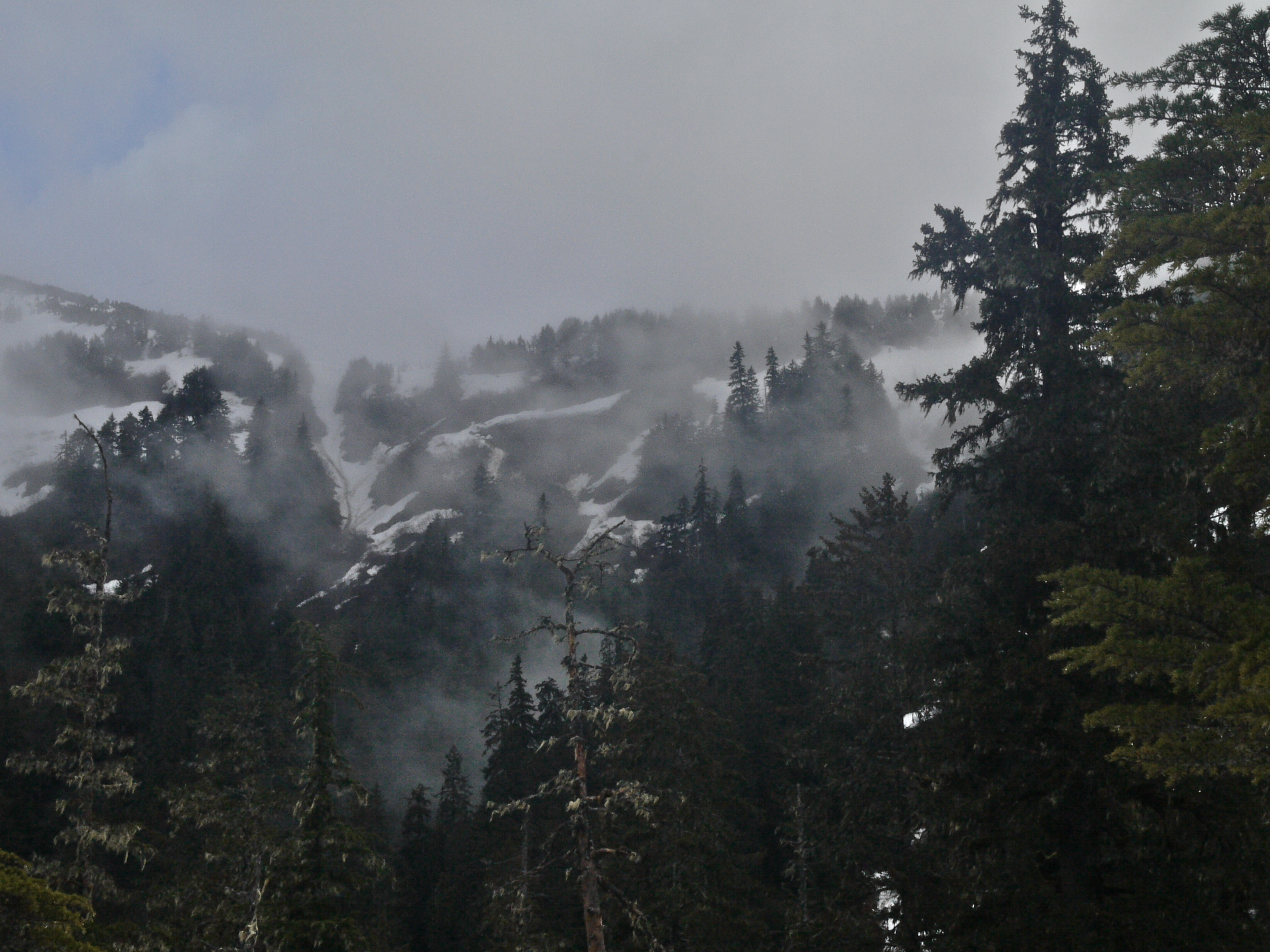
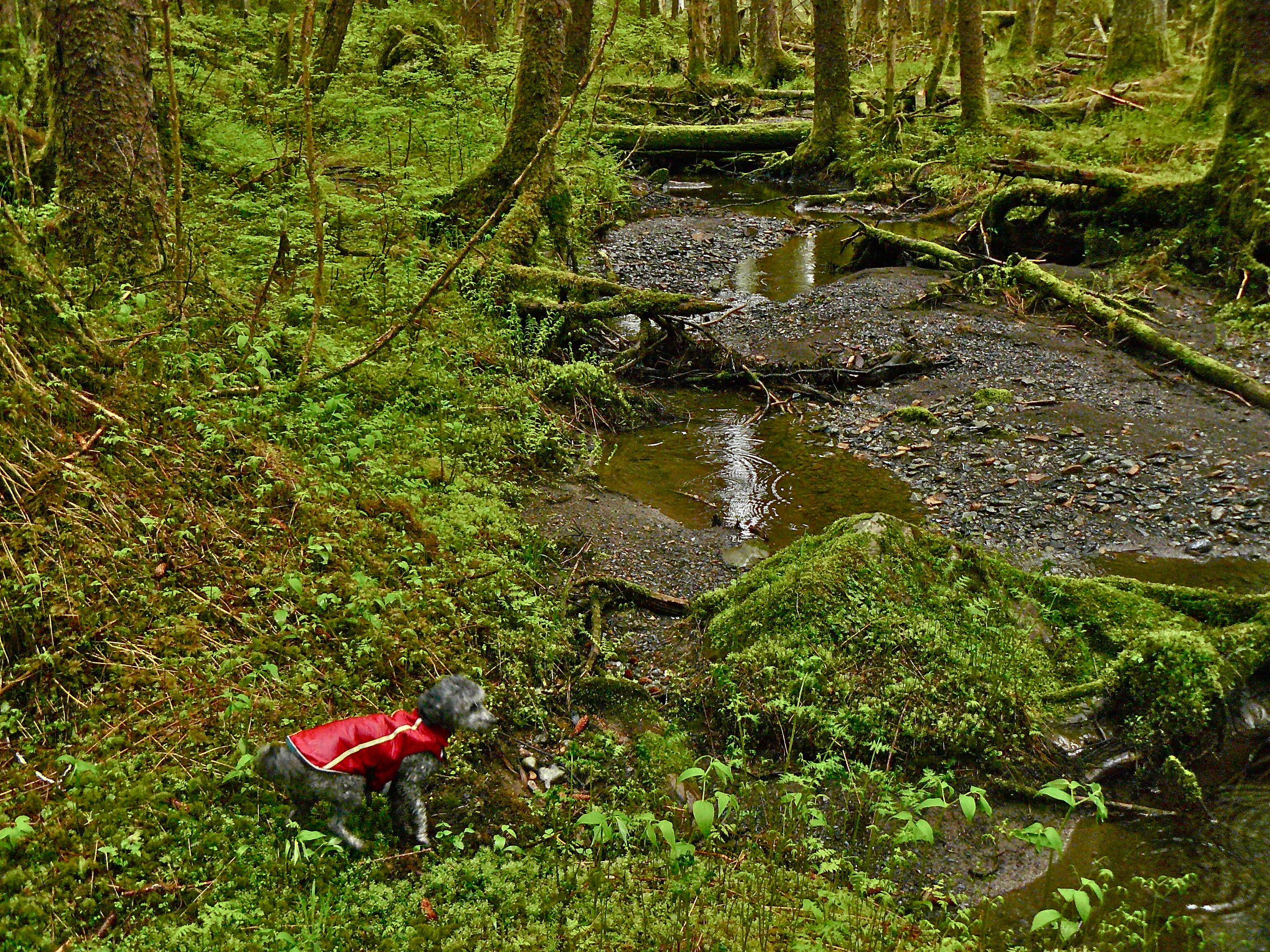
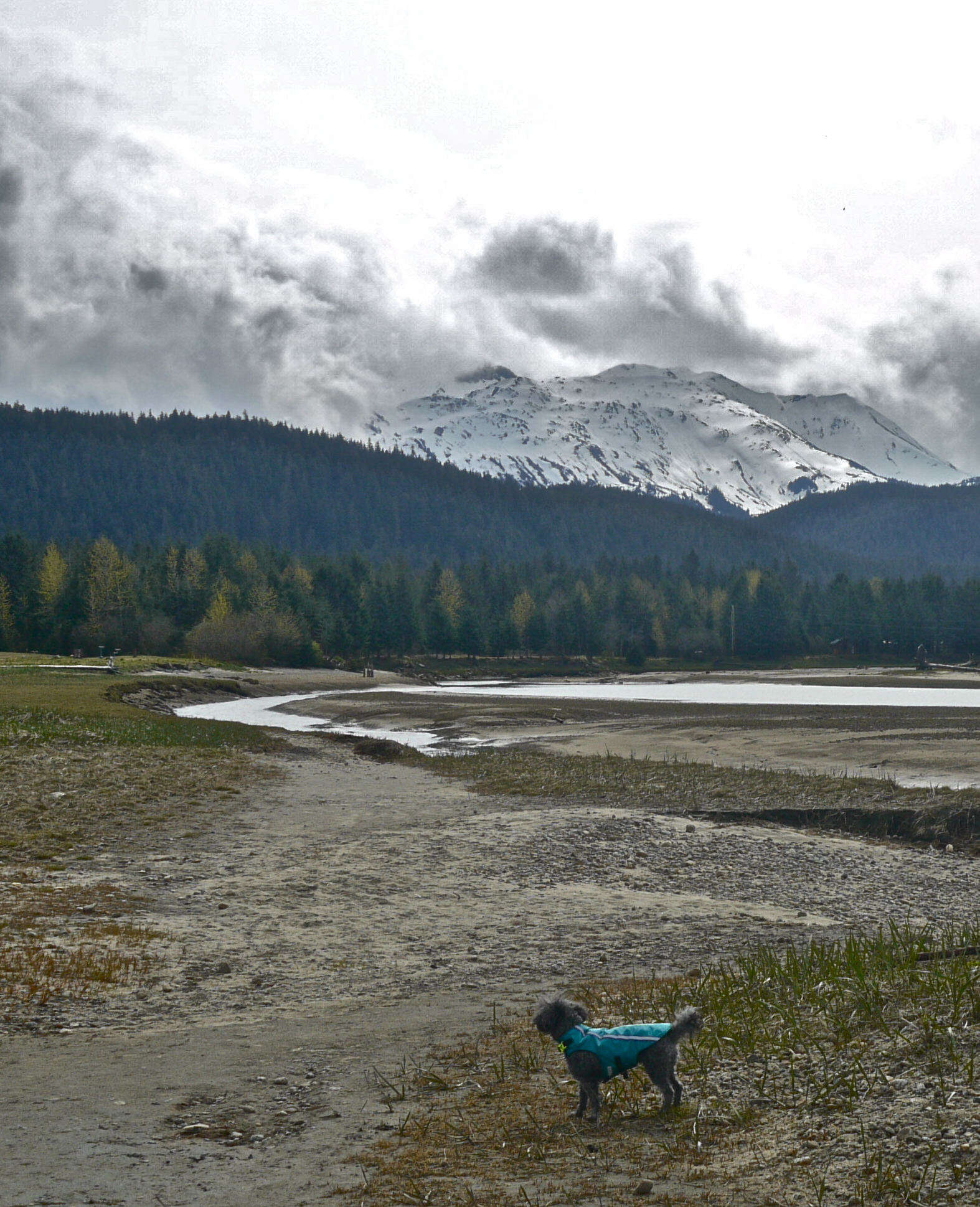
It’s been two weeks since Aki’s last adventure so she follows in my wake as I walk around the house on his wet Saturday morning. I’ll not leave without her notice. Rain pounds down on Chicken Ridge like it has many times this summer. A heavy marine layer of clouds obscures the mountains, leaving us in a wet grey and green world. Days like this justify the vibrant colored doors on our neighbor’s Craftsman style homes. The rain storm strengthens as we drive to the trail head requiring the top setting on our car’s windshield wipers. Aki strains to see through rain obscured window glass for a clue of our destination. I could tell her that we head for North Douglas Island and a forested trail often spared heavy rain.

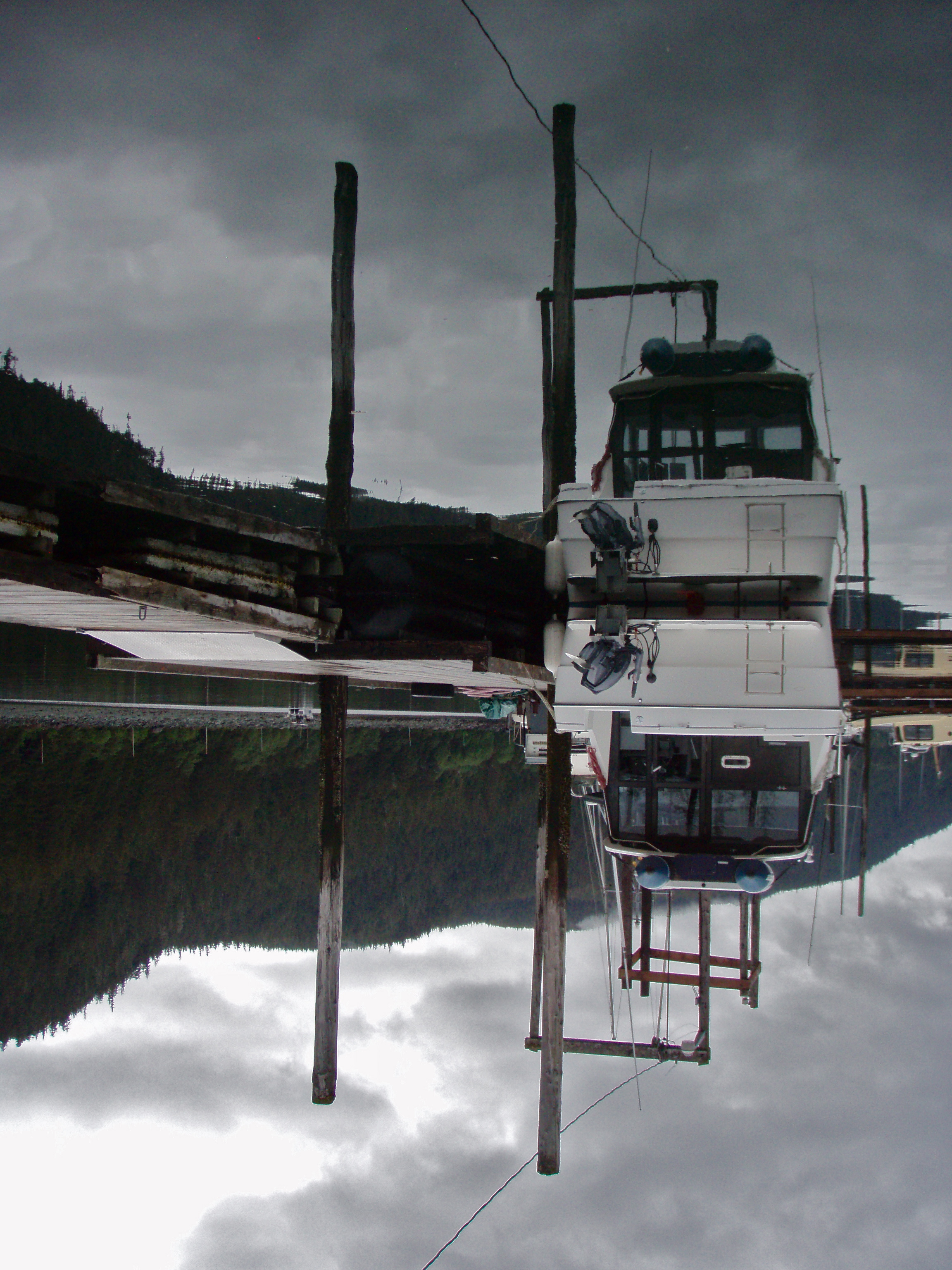
Today only a light sprinkle greets us when we leave the car in an empty trailhead parking area. The rain in town must be keeping other hikers indoors. A few hundred meters into the woods we pass under a tree where some eagles scream and hurl accusations at each other in an apparent battle for roosting space. Offering only a view of a reed choked shallow pond, I can’t figure out why the big birds hang here rather than over on the beach or the nearby salmon stream. Small rain thickened water courses flood under the elevated sections of the boardwalk trail. The wooden trail boards float in others. The rain has stopped and with no wind to ruffle the trail side waters they offer perfect reflections of the surrounding forest.

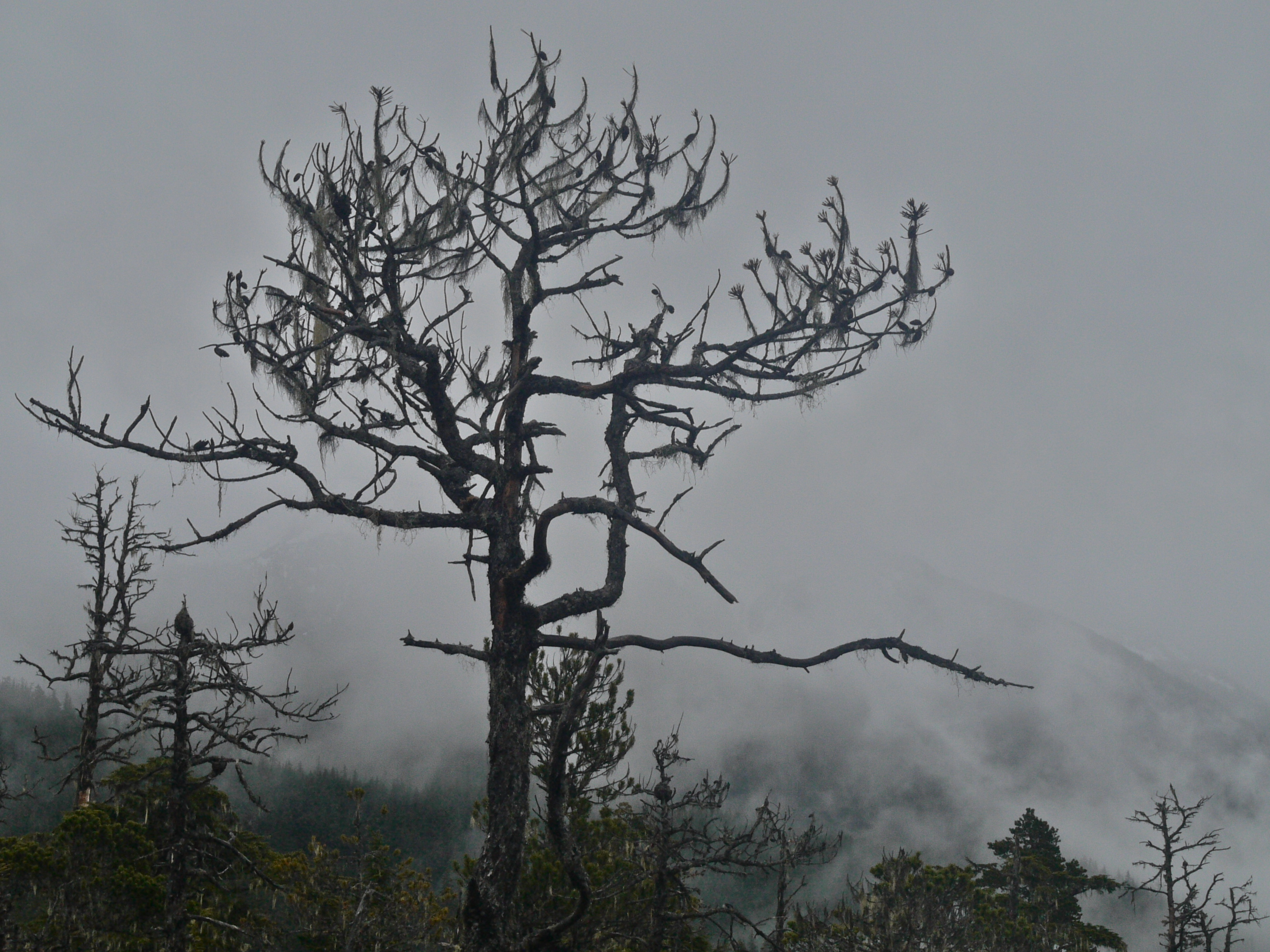
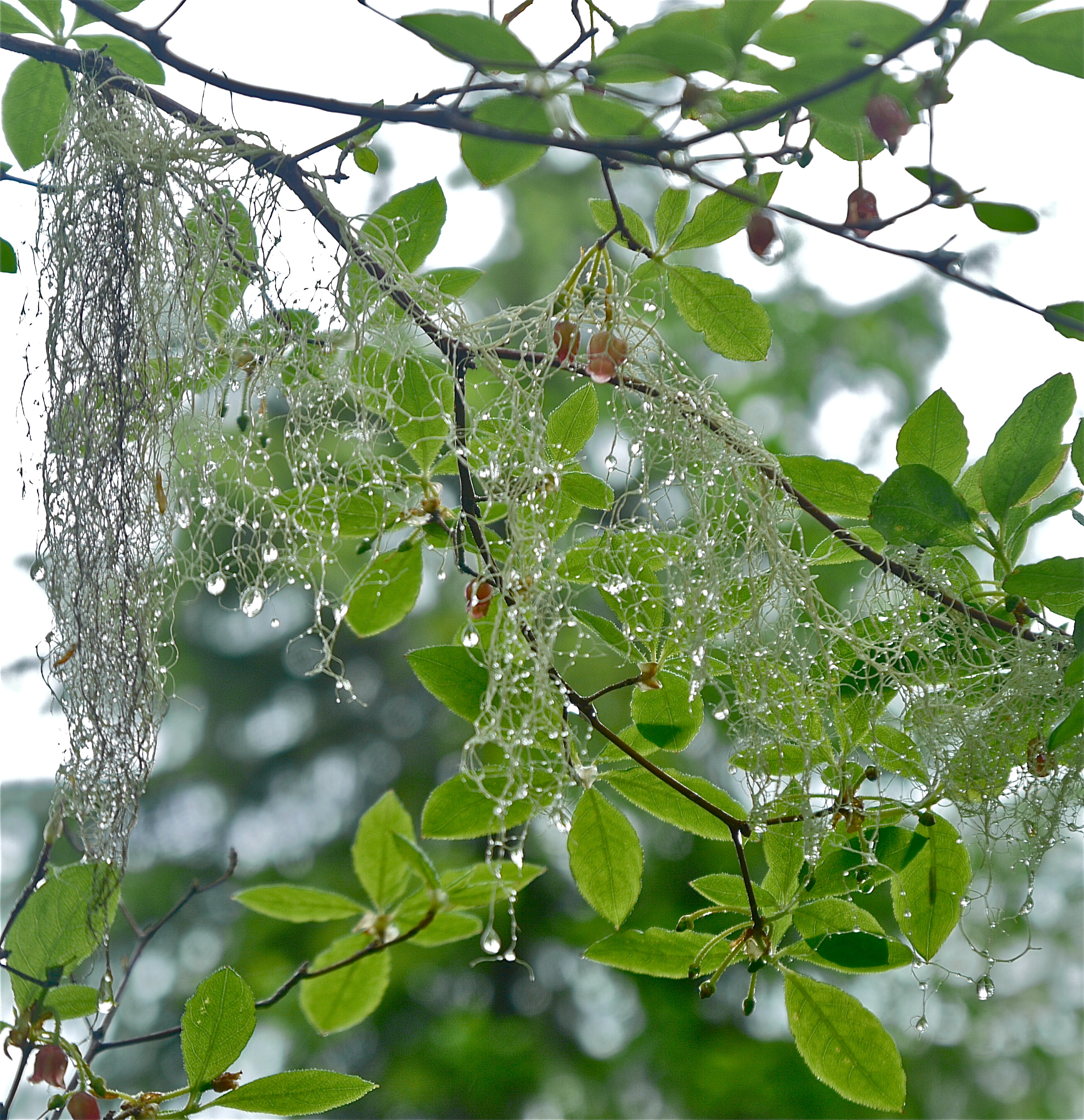
When the trail crosses a small muskeg meadow dominated by twisted bull pines I wish the clouds to lift so we can see the ridge of mountains to the east. The stubborn clouds darken and drift lower to backdrop the rage of some dying pines. If nature seems angry or disappointed today, I am not. We have the forest and beaches to ourselves, The rain has stopped but not before decorating the flowers and leaves of the trail side berries with moist magic.
It’s been two weeks since Aki’s last adventure so she follows in my wake as I walk around the house on his wet Saturday morning. I’ll not leave without her notice. Rain pounds down on Chicken Ridge like it has many times this summer.  A heavy marine layer of clouds obscures the mountains, leaving us in a wet grey and green world. Days like this justify the vibrant colored doors on our neighbor’s Craftsman style homes.

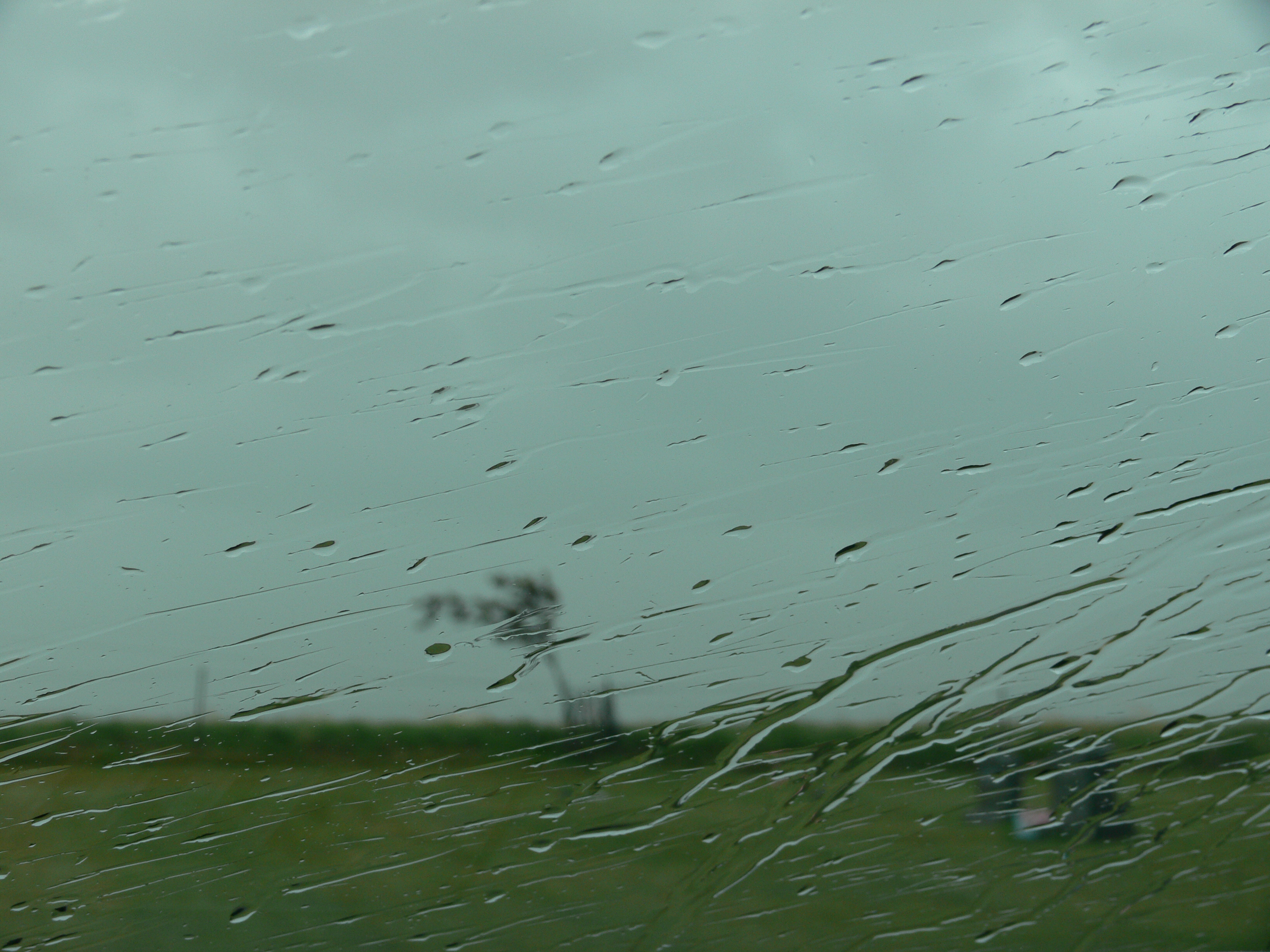
The rain storm strengthens as we drive to the trail head requiring the top setting on our car’s windshield wipers. Aki strains to see through rain obscured window glass for a clue of our destination. I could tell her that we head for North Douglas Island and a forested trail often spared heavy rain. Today only a light sprinkle greets us when we leave the car in an empty trailhead parking area. The rain in town must be keeping other hikers indoors.

A few hundred meters into the woods we pass under a tree where some eagles scream and hurl accusations at each other in an apparent battle for roosting space. Offering only a view of a reed choked shallow pond, I can’t figure out why the big birds hang here rather than over on the beach or the nearby salmon stream.

Small rain thickened water courses flood under the elevated sections of the boardwalk trail. The wooden trail boards float in others. The rain has stopped and with no wind to ruffle the trail side waters they offer perfect reflections of the surrounding forest. When the trail crosses a small muskeg meadow dominated by twisted bull pines I wish the clouds to lift so we can see the ridge of mountains to the east. The stubborn clouds darken and drift lower to backdrop the rage of some dying pines. 

If nature seems angry or disappointed today, I am not. We have the forest and beaches to ourselves,  The rain has stopped but not before decorating the flowers and leaves of the trail side berries with moist magic.   


A Black Cat on Grandfather’s Land

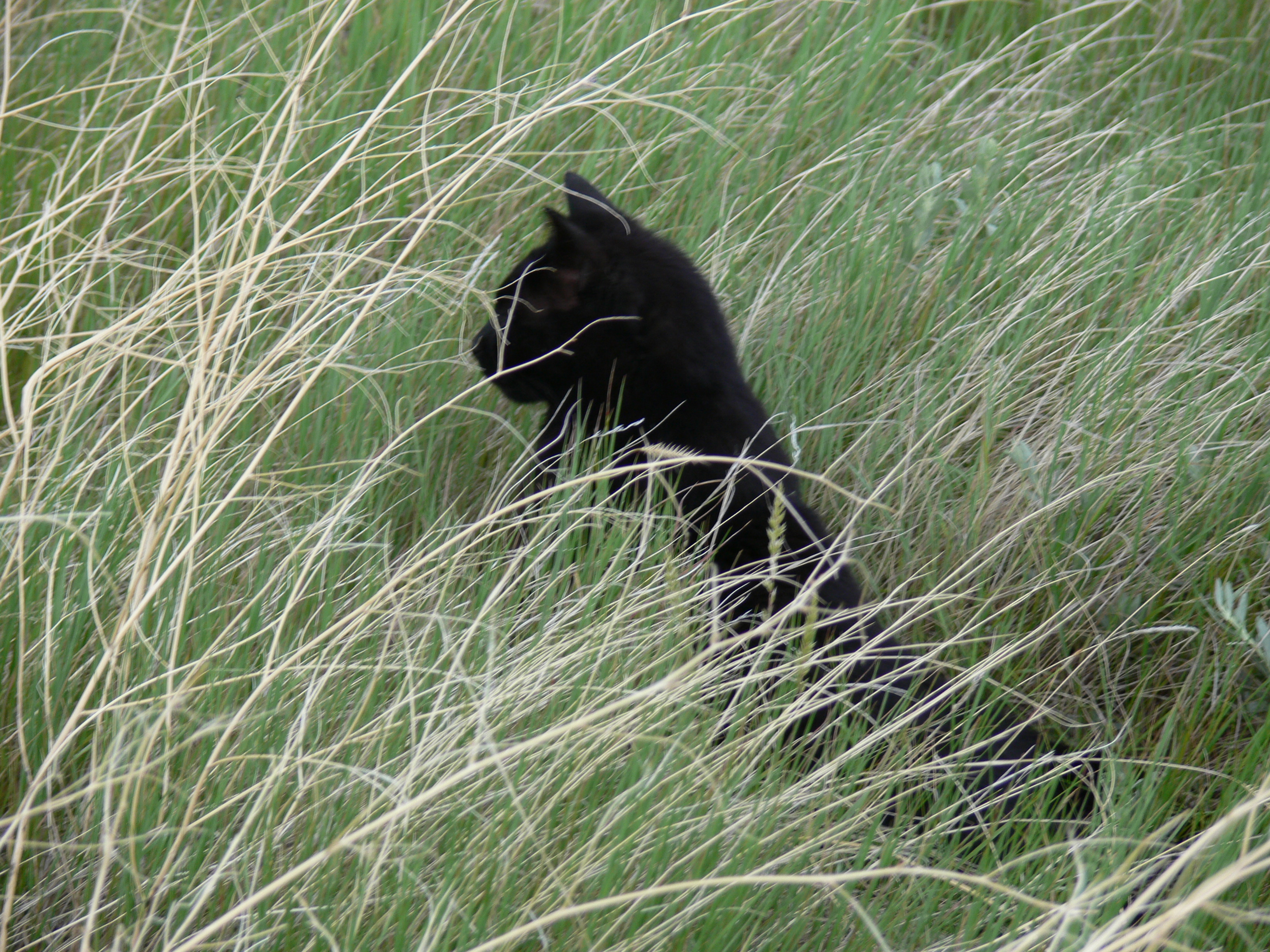
A strange black cat follows as I walk over wheat stubble to the breaks. My grandfather homesteaded this piece ofMontanaprairie almost 100 years ago. My Cousin now farms it.  Winter wheat, grown on the place without irrigation, supported grandmother and my mother and two of my uncles from their infancy until adulthood. Today the grandkids own it. This black cat has no claim on the land.

The cat is a mystery. A friendly gal, it greeted us when we arrived at the ranch house. No one lives here this time of year so the cat was alone. It readily took baloney meat from my sister but otherwise showed no sign of starvation.  It only longs for companionship. This morning the cat greeted me at the door then followed me onto the stubble field. Now it walks along beside me if in imitation of Aki. Unlike that little dog, she ignores the small birds trying to distract us from their nests in the wheat field.

It is near sunrise and pearly pink light peaks out from under the otherwise universal cloud color. Summer is late in coming this year. It should be warm, if not hot, and the ground of this stubble field should be sun baked brick hard. Instead green weeds grow between rows of six inch high dead wheat stubble and a moist strip of open ground meanders across the wheat field.

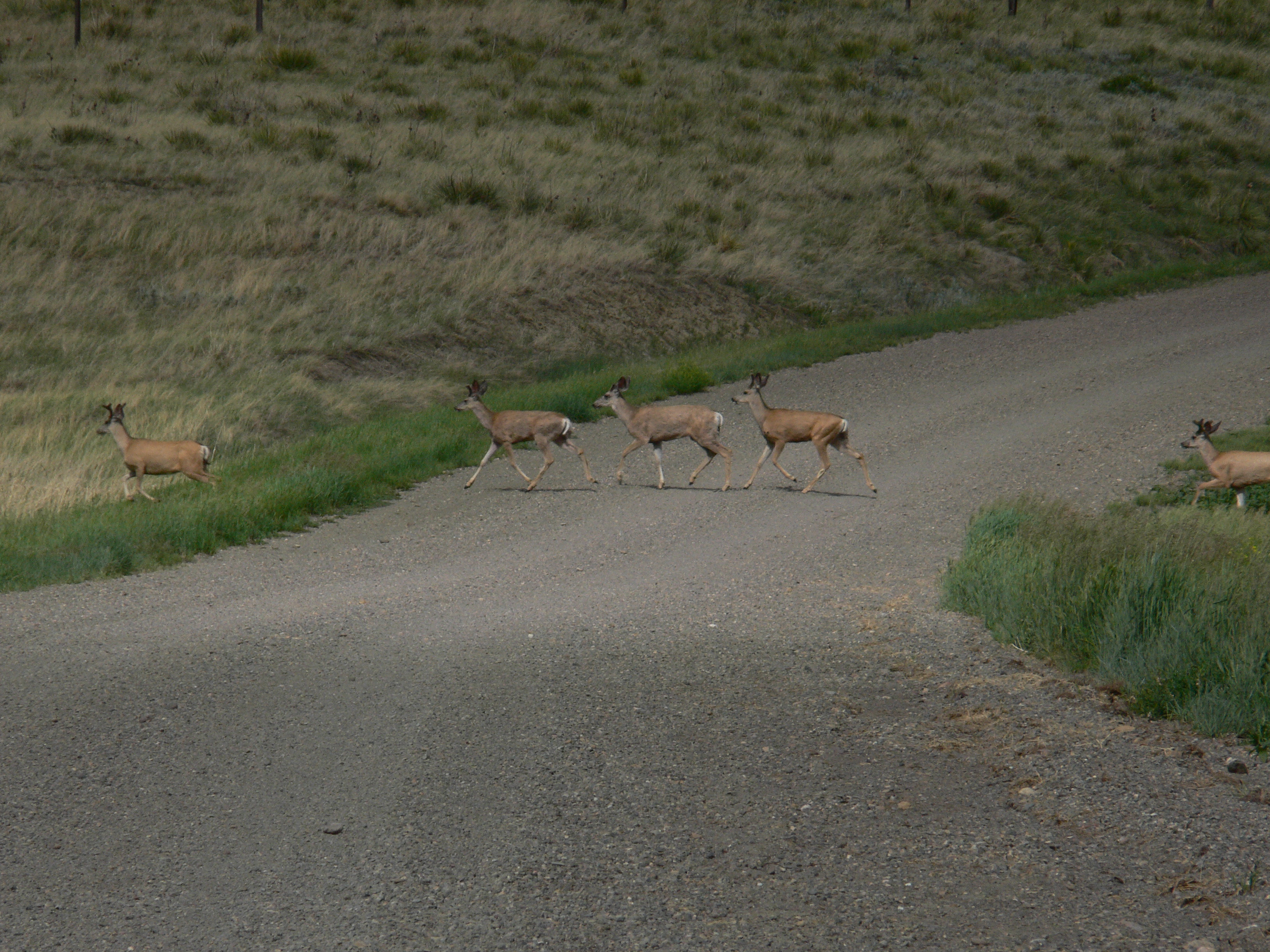
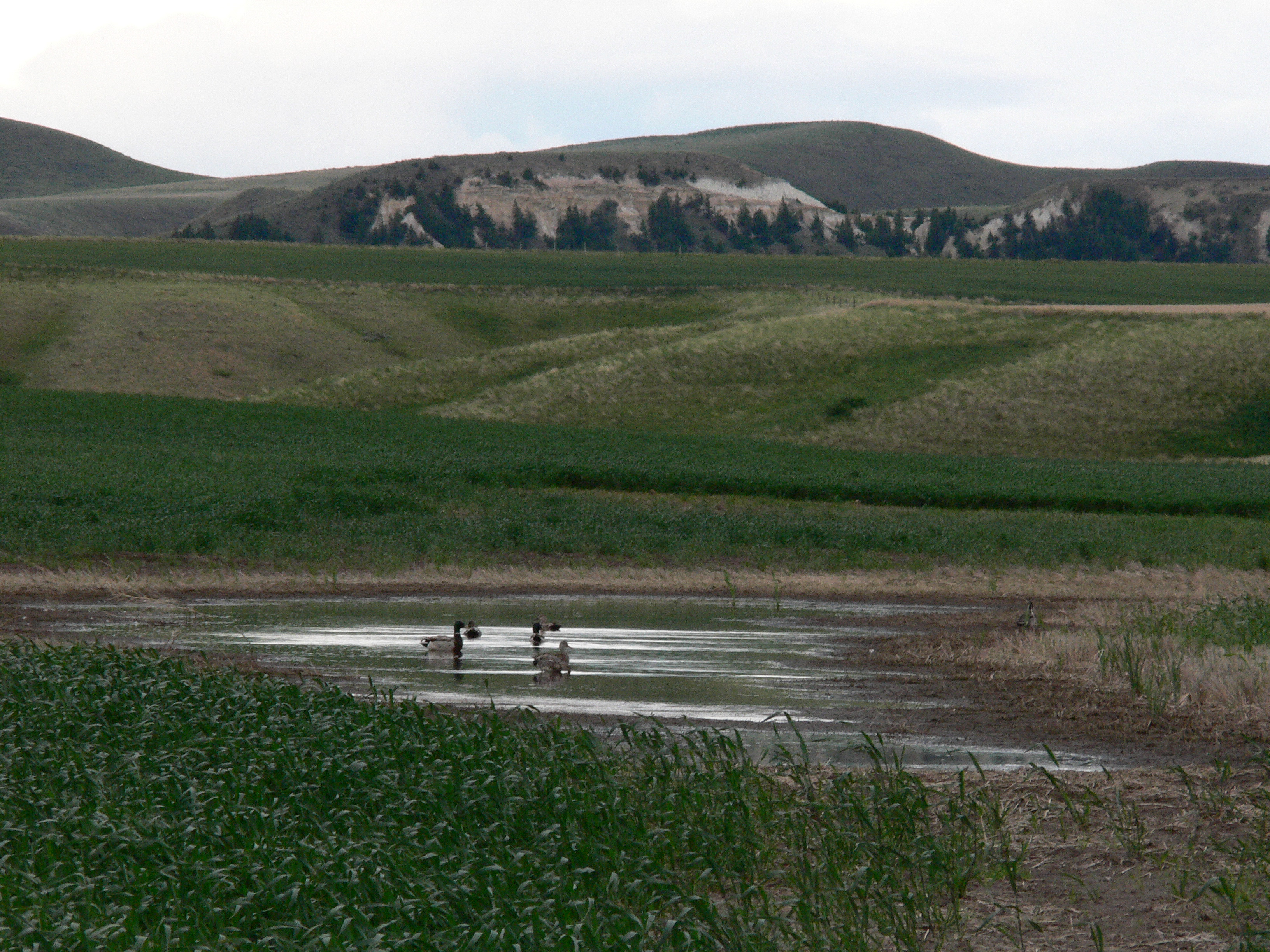
Normally I stay out of the wheat until harvested but none grows on this moist strip. Others have walked the strip before us.  We follow the diminutive tracks of a single pronghorn antelope and heavier ones of a mule deer. Yesterday I saw a gang of six or eight deer cross the road to the ranch but only one tracked this path last night. The tracks lead us to a small raft of mallard ducks floating on a tiny pond where Coyote tracks cross those of the antelope.

The ducks fly off before we reach the pond. I still stop to examine it for even small pools of standing water are rare here. Except for two wheat stalks breaking the surface, the pond is sterile. The path continue beyond the pond and It only takes a minute to pass through the wheat field to another one of stubble. My cousin planted winter wheat here the previous fall and harvested it last summer. Now it rests as a stubble field for a season after harvest. Alternating fields of pale yellow stubble and green growing wheat run to the horizon to produces checkerboard pattern on the flat bench land.

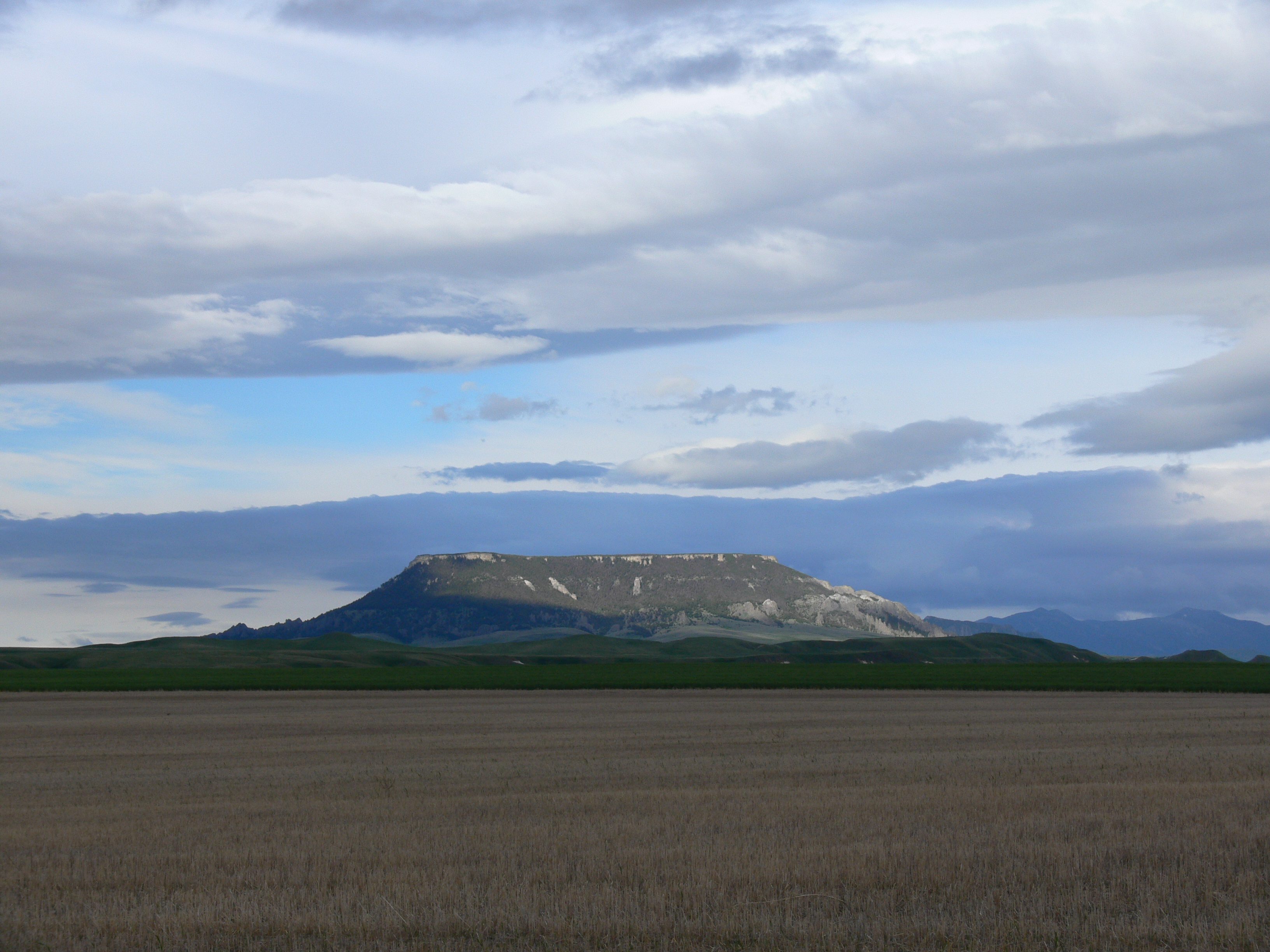
Daylight breaks through briefly to illuminate Square Butte, a weathered flat topped volcanic plug dominating the western horizon. Cat purrs and rubs against my leg as I struggle to focus the camera before the sun leaves. Nothing much makes sense about the cat.  She lives alone in a wild place but is not feral. She ignores small birds but takes food from my sister. She follows along like a dependent dog not the aloof cat she is. I begin to wonder if she is more spirit than corporal.

Walking on the stubble parallel to the wheat field we eventually reach a barbwire fence that borders still untilled breaks beyond. While the ranch spreads over a flat bench of land, a series of converging dry channels forms the breaks that eventually leads to theMissouri River.

A meadow lank sings from its perch on a fence post. Another meadow lark sang during our father’s internment at a nearby cemetery while a small group of pronghorn antelope grazed nearby. Together they softened the pain of burial. Today’s lark song offered similar comfort as I think of those who walked before me to this border fence.

The wind rises on my return to the ranch house , now a tiny white box half hidden by the green wheat filed. I continue on the stubble field to the road rather than using the muddy detour through the wheat field. Rain falls in sprinkles at first then turns into heavy wind driven drops. The cat disappears. I expect to find her at the ranch house begging for entrance but she is not there. Maybe a coyote got her or she cut across the fields to another farmstead where she lives. Maybe she really is a spirit, driven away by the Meadow Lark’s song.

So Green

Missouri River Near Cascade

The color brown dominated my other trips to the Idaho and Montana prairies. They were in summer, most of them, after the high heat of that season knocked the green of spring from seas of grass. It was all hot and brown and blue skies, those family visits. Spring still dominates the land on this trip.

On the way to Montana’s wheat country, I’m in Missoula, the state’s cosmo college town. It tends to collect bookstores, writers, and people willing to sell you a decent fancy coffee drink.  It also has some good bike stores. One rented me a road bike, which I’m riding along the Clark’s Fork River that runs high with the energy of Spring. A guy in a wet suit surfs on a small standing wave. He falls before I can get out my camera and fights the current taking him quickly downriver.

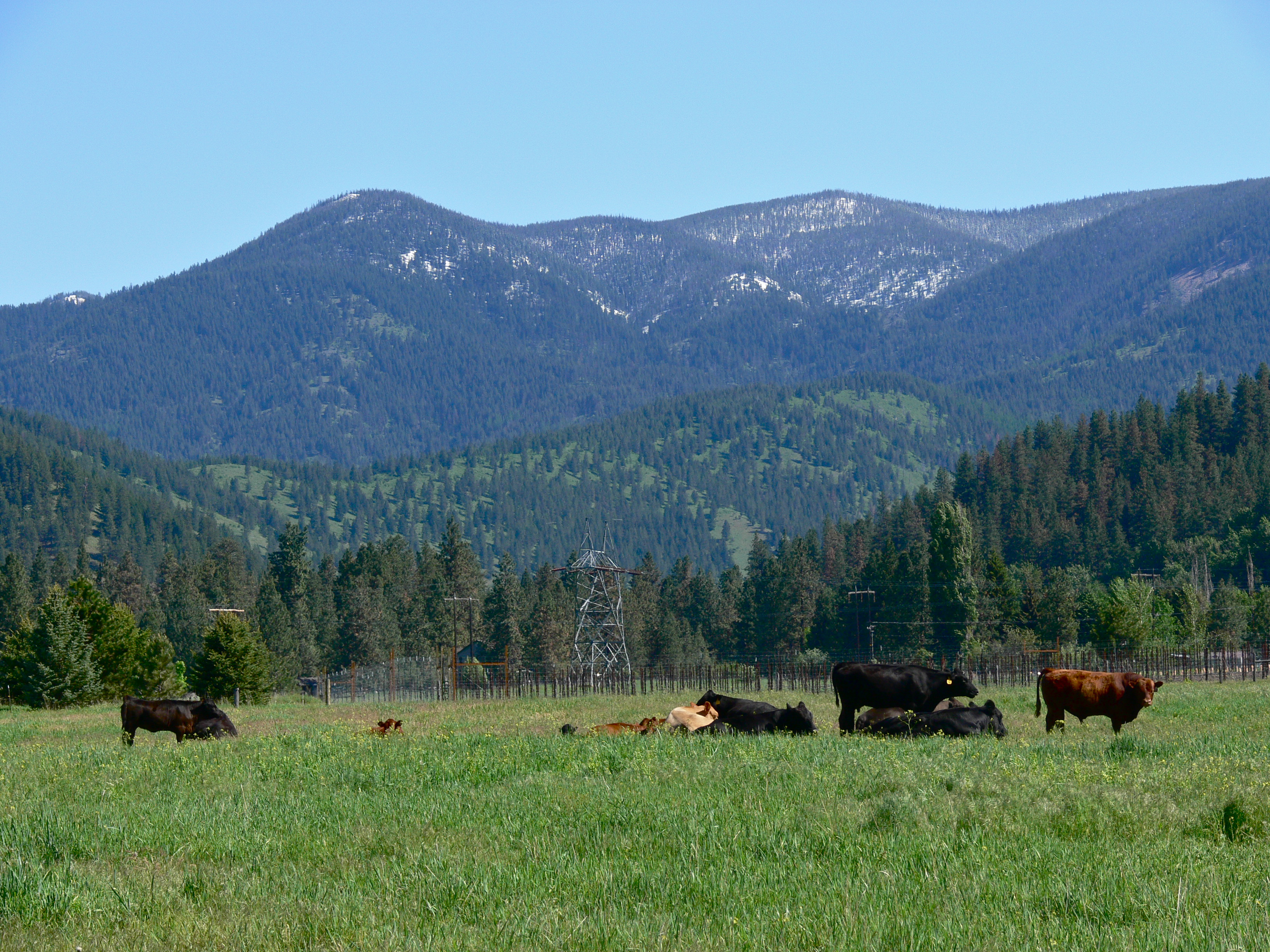
 Crossing a bumpy wooden pedestrian bridge, I pass through a shopping mall parking lot, under a freeway and out of urban Montana. After a mile of well tended suburban yards I’m briefly in farm land where fat cattle feed on rich green grass. The path then passes into a pine forest.

In summer our forests in Southeast Alaska thicken with devil’s club and berry brush making for a difficult passage. This Montana forest, formed along Rattlesnake Creek, is open and welcoming. The pines, with their thick furrowed trunks have spaced themselves apart like shy persons at a school reunion. Green grass grows tall and thick between the trees.

The roadside bike path ended in the farm land so I am riding on a narrow lightly used road. I stop where it comes closest to the creek to listen to a bird trying to be heard over the noisy stream. It rained yesterday and snowed in the surrounding mountains. It will rain again tomorrow. Today I stand under full sun enjoying the coolness of the day, a land still green with spring, and the song of my now favorite bird.

Summer is Still on Vacation

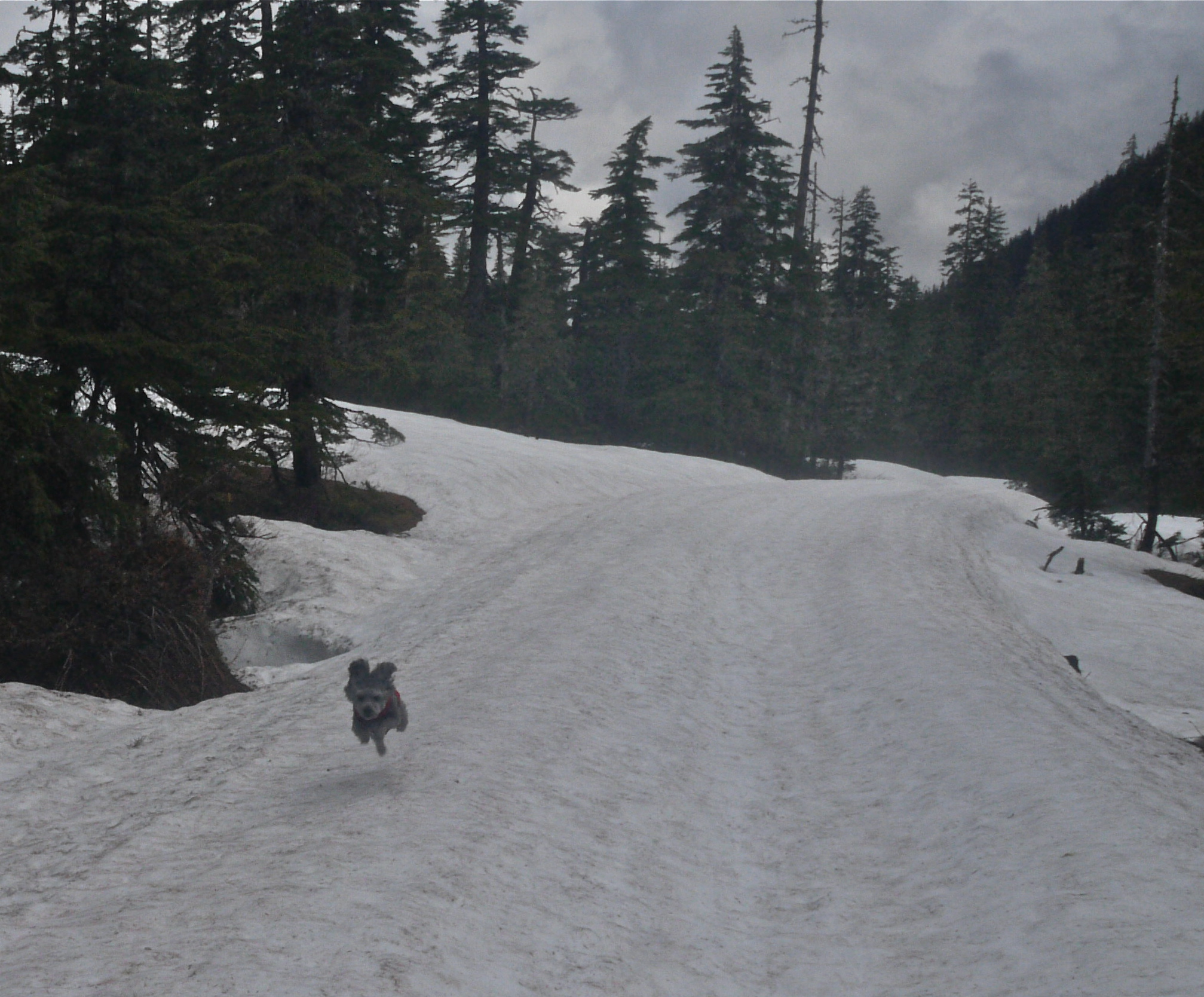
Aki loves snow above most things—not more than cheese but most other things. I brought her back to this chain of meadows for a chance to charge down a snowy trail before summer takes a firm hold on the mountains.

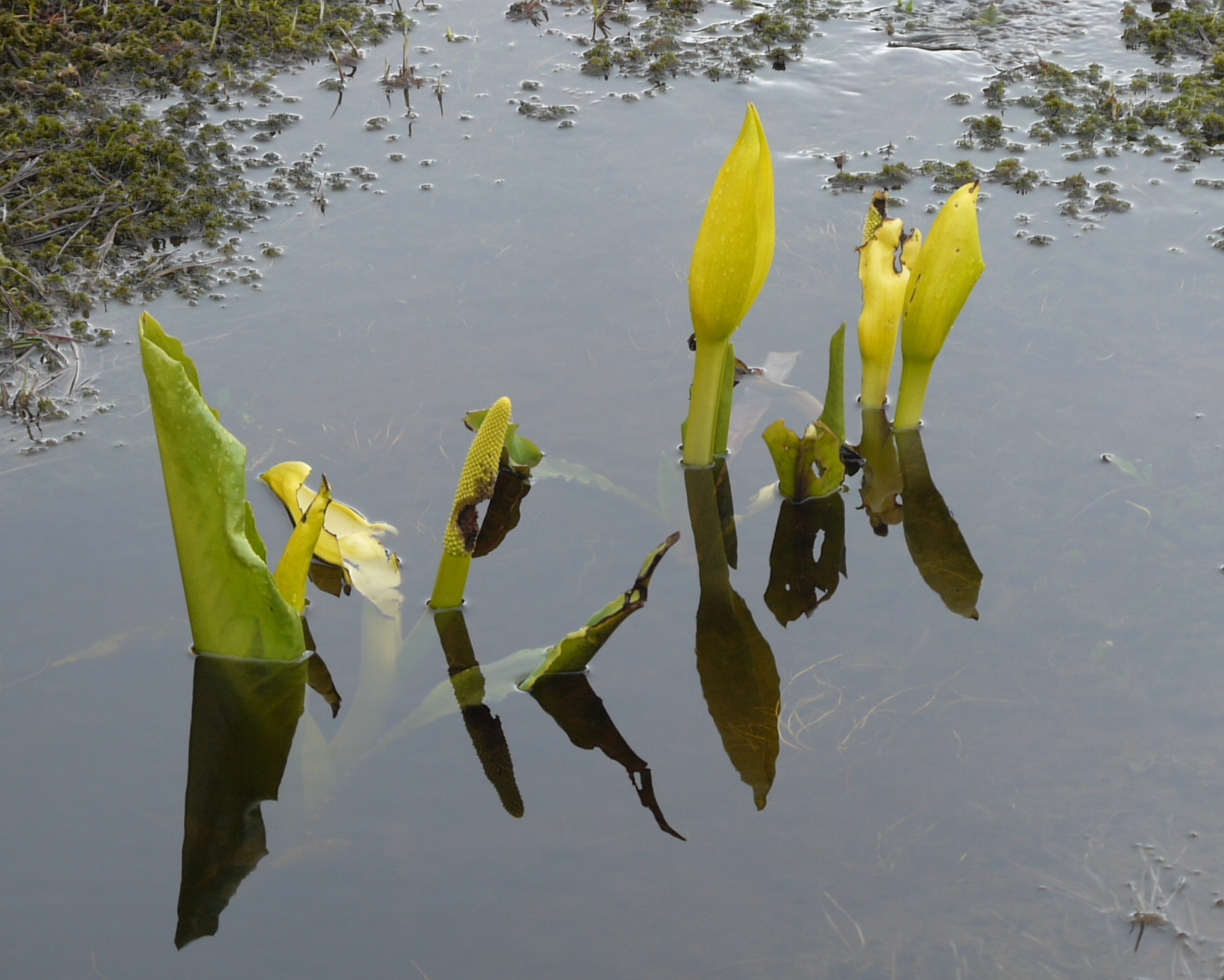
Summer must still be south on vacation judging by the snow load and the way sleet thickens the falling rain. Blueberry bushes, some still buried in white, are setting a creamy cloud of blossoms that promise a good berry harvest in August. The skunk cabbage, apparently losing patience with spring push up through the snow. 

I stop often to gauge the slowed transition to summer, how ice still overs ponds in the higher meadows and the lily pads in those now thawed remain tightly curled up beneath the water surface. No buds have set on the muskeg plants. Last year we found the magenta shooting stars and bog rosemary flowering here.

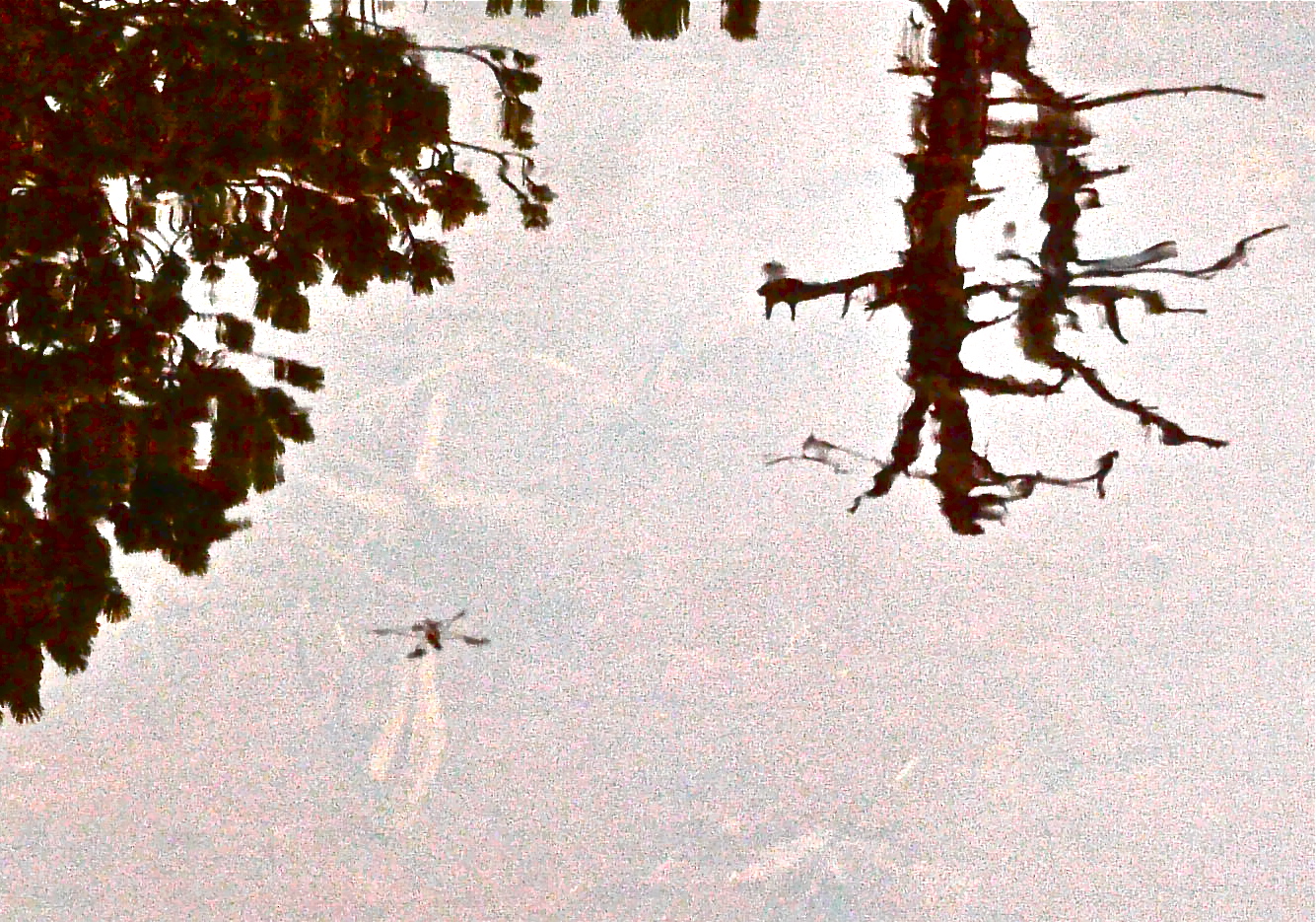
There are signs of summer. Mountain avalanche shoots have turned a deep green that stands out about the dead brown color of the meadow below them. Robins sing when not trying to distract Aki and I way from their nests.   Other birds, wrens and the sweet songed varied thrush fill the air with music. Even water bugs skate the surface of the meadow ponds. 

On the trail we find the mostly white feather of a ptarmigan. These grouse-like mountain birds change color with the season.  A beautiful chestnut brown decorates the tip of this one. The bird better be a quick change artist. He would really stand out on this dull brown carpet while wearing his white coat.

More Futility

Again I say goodbye to a sad Aki and head to the harbor for another try for King Salmon. Just one fish will feed us for awhile. Like our last attempt on Saturday there is rain and a bay full of herring. These beautiful silver fish draw a gang of sea lions and one very forward humpback whale. The sea lions alone almost eliminate any chance we have of caching a king. If we did hook one, a sea lion would probably bite it in half before we could boat it. I still enjoy watching them find so much fun in chasing their lunch. The gulls hang about them when they surface with a herring in mouth. One cheeky bird tried to pull a fish from the sea lion’s mouth. 

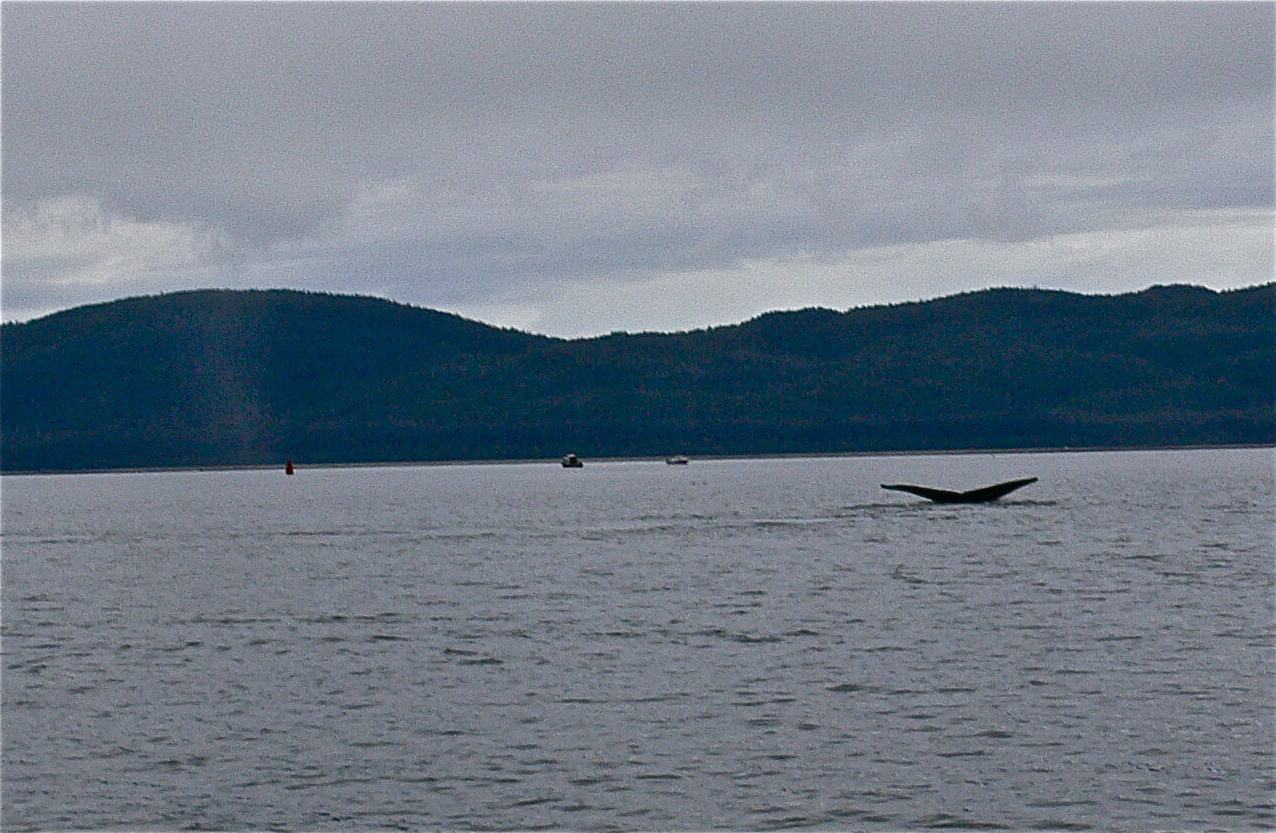
We trolled for seven hours without receiving a single bite. From the rolling boat deck I grew even more frustrated trying to photograph the whales and birds and sea lions. By the time the camera focused, they would be gone. Sometimes the sea lions would surface right next to the boat, then swim away underwater. The whale pulled the opposite trick. A young whale, it headed right at our boat, giving me a start when it appeared in my view finder.  (It is not as close as it seems as I using a zoom lens). 

Not a Nice Way to Treat New Neighbors

It’s raining again on the glacier moraine and the troll woods it surounds. Aki and I are here to check out the baby king salmon recently released into three little lakes.  Raised along side king salmon about to be dropped into ocean waters where they might grow to fish that deserve their name, the 500 fish dumped into these landlocked lakes will live as farm animals until eaten by someone or something.

Near the beaver village we spot the tell tale rings of rising fish on the lake that borders it. We also see the swirl of large animal, mammal not bird, break the surface in the middle of the rising salmon. I’m thinking river otter because, as  the government who planted the salmon in this lake will tell you, beavers don’t eat fish. Fresh green yellow foliage now hides the main beaver house and provides a rich counterpoint for the line of dark green spruce trees that fill the space between lake and the cloud obscured ridge of Thunder Mountain. 

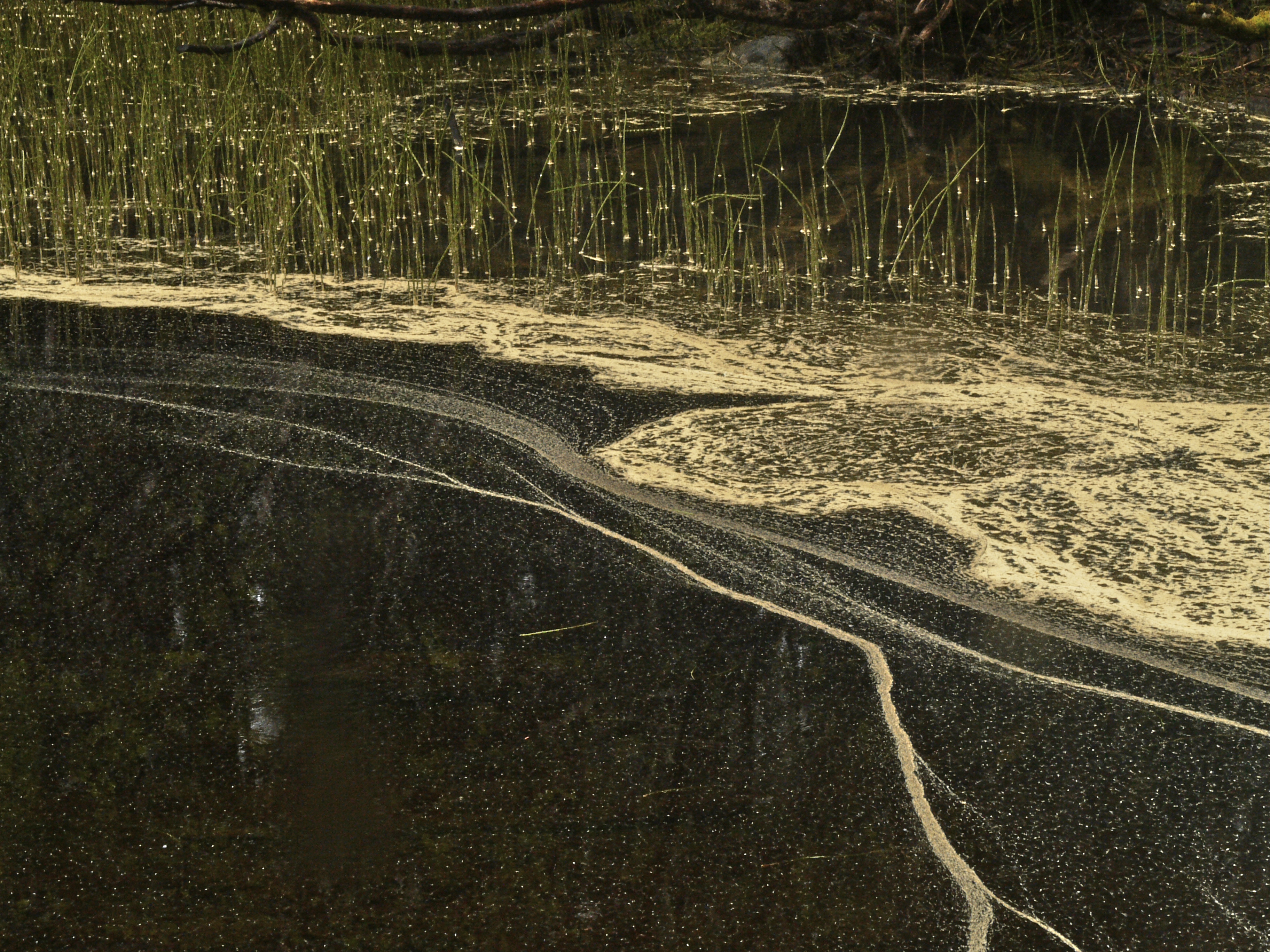
From here we follow a trail into the troll woods. We pass a pocket lake where a single Common Merganser, its white body standing out against the dark lake waters glides by.  Seeing a lone duck on water this time of year makes you wonder if it is fiercely independent or the victim of tragedy. Did he drive other birds from the lake or come to a place no one else wanted to sulk? Did I mention it is still raining? Along the lake shore recently released spruce pollen forms elongated yellow islands on the water’s surface. 

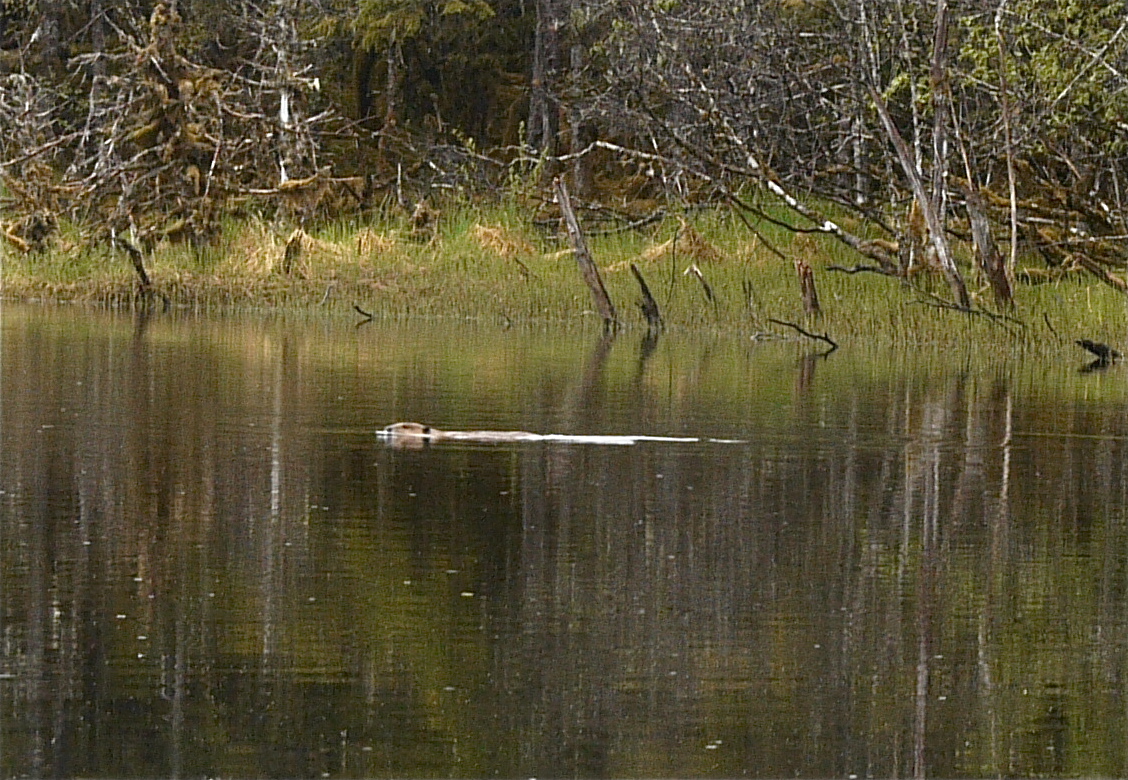
While moving deeper into the woods Aki and I are startled by a small explosive sound like that made by a sizable rock striking deep water. A bear practicing diving? More likely a strong child throwing something in the lake for the resulting splash. Minutes later we reach a lake where a beaver swims back and forth across the surface. Just before reaching the shore it slaps the water with its tail and dives. In seconds it is on the surface heading back to the opposite shore. Beyond small king salmon stir. Some launch themselves a foot or two into the air.    

Aki, displaying the posture she reserves for meeting other dogs (tail and rear up/legs straight/ feet slightly forward) is half submerged at the lake’s edge. The beaver takes no notice of either of us and soon Aki is back at my side.

What is going on? If this were a seal I’d know the score. It would be driving the salmon to it’s hungry buddies at the other end of the lake. That would explain why some of the salmon are jumping high out of the water. But, as those that study these things in college will tell you, beavers eat wood bark, not fish.  If this is true then the beaver is just being territorial and wants to drive these new neighbors out of town. Eat tail slap could be telling the salmon to find their own lake.

I could see why the beaver would want this lake to himself. It offers a beautiful view of the glacier and surrounding mountains. When he stops disturbing the water’s surface with antics, he can appreciate the serene reflections of mountains and glacier captured on the lake’s surface.

The beaver is still tail slapping the lake’s surface when we head back to the car. At home I use our internet search engine to look for an explanation for the beaver’s behavior. As expected there are many government websites providing assurances that beavers are vegetarians.  Each is written in “pat on the head that’s a good boy” prose.  One You Tube posting might make the authors of the other web articles re-examine their research on beavers. It shows one near Lake Clark Alaska happily munching on a fish.  http://www.youtube.com/watch?v=ES0YQyqv4O0

They Don’t Care About the Rain

Leaving Aki with a promise of an afternoon adventure, I’m out the door with everything needed to catch a king salmon except luck.  A low marine layer of clouds block out the mountain tops but there is no rain. It waits for us at the harbor.

For a few weeks in early spring large king salmon, some over 30 pounds, fatten themselves on herring where we fish. They don’t care about the rain or the cold air temperature. We try to ignore these things as well.

 Other creatures come here to chase the herring, forcing them into concentrated balls of feed. Hoping to catch a king we troll hooks baited with herring through the balls. A harbor seal splashes nearby, coming to the surface often with a mouth full of silvery fish. He doesn’t care about the rain, now falling in heavy pellets that send up spray when hitting the ocean surface.  The rain doesn’t worry that brace of eagles gliding slowly to the water to pluck herring that were driven to the surface by the seal.

Distracted by the eagle ballet I stop caring about the rain and cold.  While I watch the birds, the captain calls out in alarm.  A humpback whale has just surfaced near the boat. Attracted by the concentration of bait fish, the whale spends the next hour hoovering up herring along the cove’s inner shore.  We don’t get in its way but other boats have to take evasive action to keep out of the whale’s path. 

This time of year it takes 144 hours of fishing to catch a king salmon. We put in our first four and call it quits. Driving home in the heavy rain we pass a large black bear grazing on road side vegetation.  A driving rain can give any fur bearing a pathetic bearing, this bear included. It doesn’t keep him from the task at hand.


Soft Day for Troubled Eagles

Last night I asked Aki politely, to let us sleep past the usual wake up time. That was a mistake as was my assembling the fishing rod before going to bed. She rose this morning before 6 am to pace up and down the wooden floors leading to our bedroom.  Not able to sleep through the resulting tattoo I was soon up and out the door on the way to Fish Creek.

We drove from town to the trailhead through a settled rain —the kind that lasts all day. It’s what the Irish call a soft day. Comfortable in decent rain gear I don’t mind.   We have the trail to ourselves. The weather doesn’t stop the animals of forest and stream from their jobs. When the creek noise abates over a clear deep reach we hear song birds and the complaints of eagles.

Walking down stream first we check the pond for early king salmon but see only the pens of thousands of juvenile fish that will soon be released to seek their fortune in the sea. Many will pass their ancestors returning to these natal waters. It’s an artificial deal, this salmon run, manufactured by the state to create a sport fishing opportunity. The king salmon, some reaching 10 or 15 kilos, arrive in early June then wander around the pond most of the summer dodging fishing lures. When the rains of August raise the creek level some will follow the wild chum and pink salmon up stream to battle for space on the spawning redds.

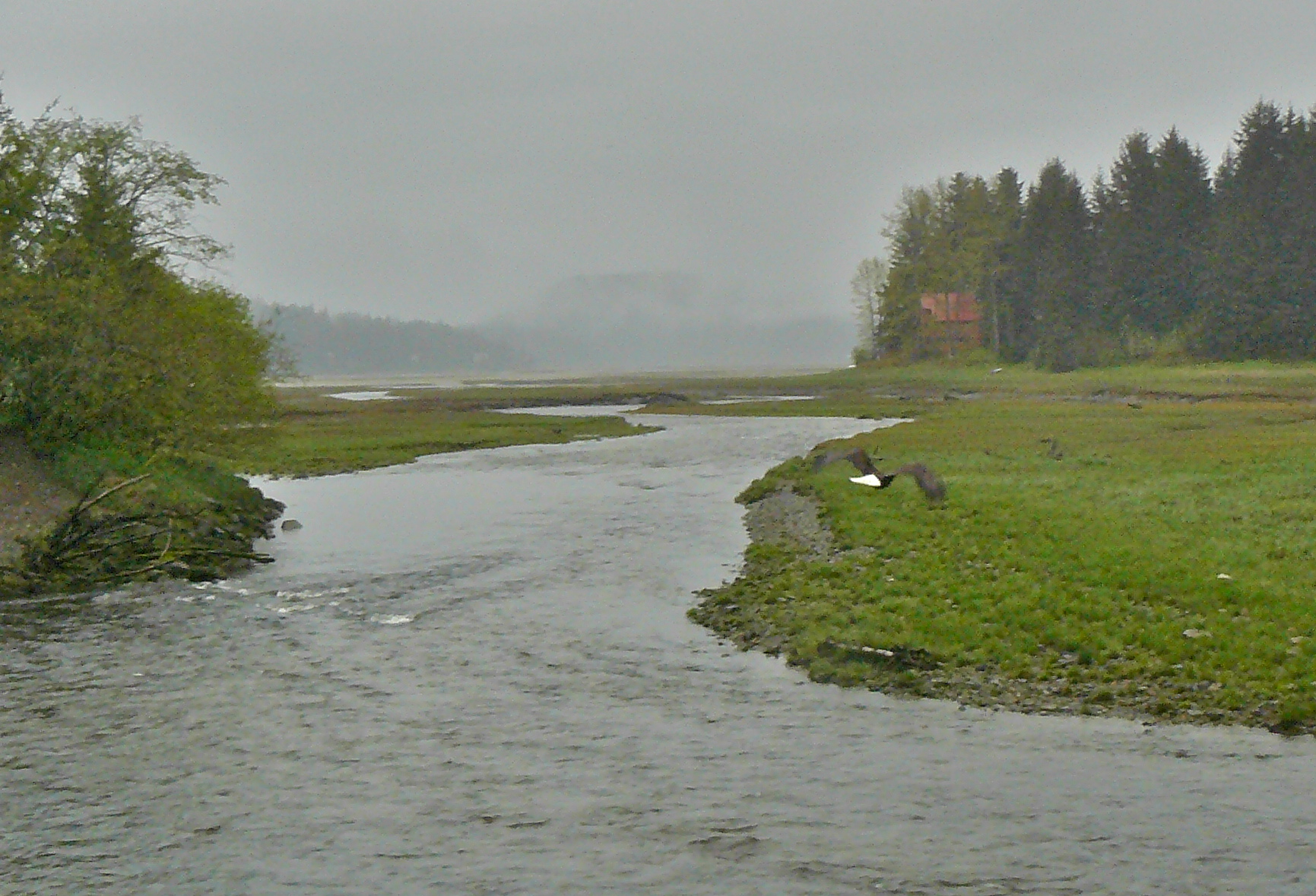
An earthen dike once separated the pond and stream. Now a 50 meter wide breach in the dike allows the waters to mix and fish to enter the pond from the stream. We stand on the dike near to breach under an eagle’s tree. The big brown and white bird breaks from its perch above us and flies directly away. 

Across the pond several crows try to drive a different bald eagle from atop a waterside spruce tree. The crows take turns descending on the eagle in a noisy dive. Hunkering down, the eagle holds his ground for a few minutes then leaves for a quieter perch. I’ve included one blurry picture of the scene because the crow has managed to make itself look like an avenging angel.

Turning away from all this drama we move up stream where the sound of moving water and tern song and the green explosion of early summer offers me true peace. Aki, not really a seeker of peace, charges up and down the trail, her red wrap soaked with rain.    

Aki’s Disappointing Canoe Ride

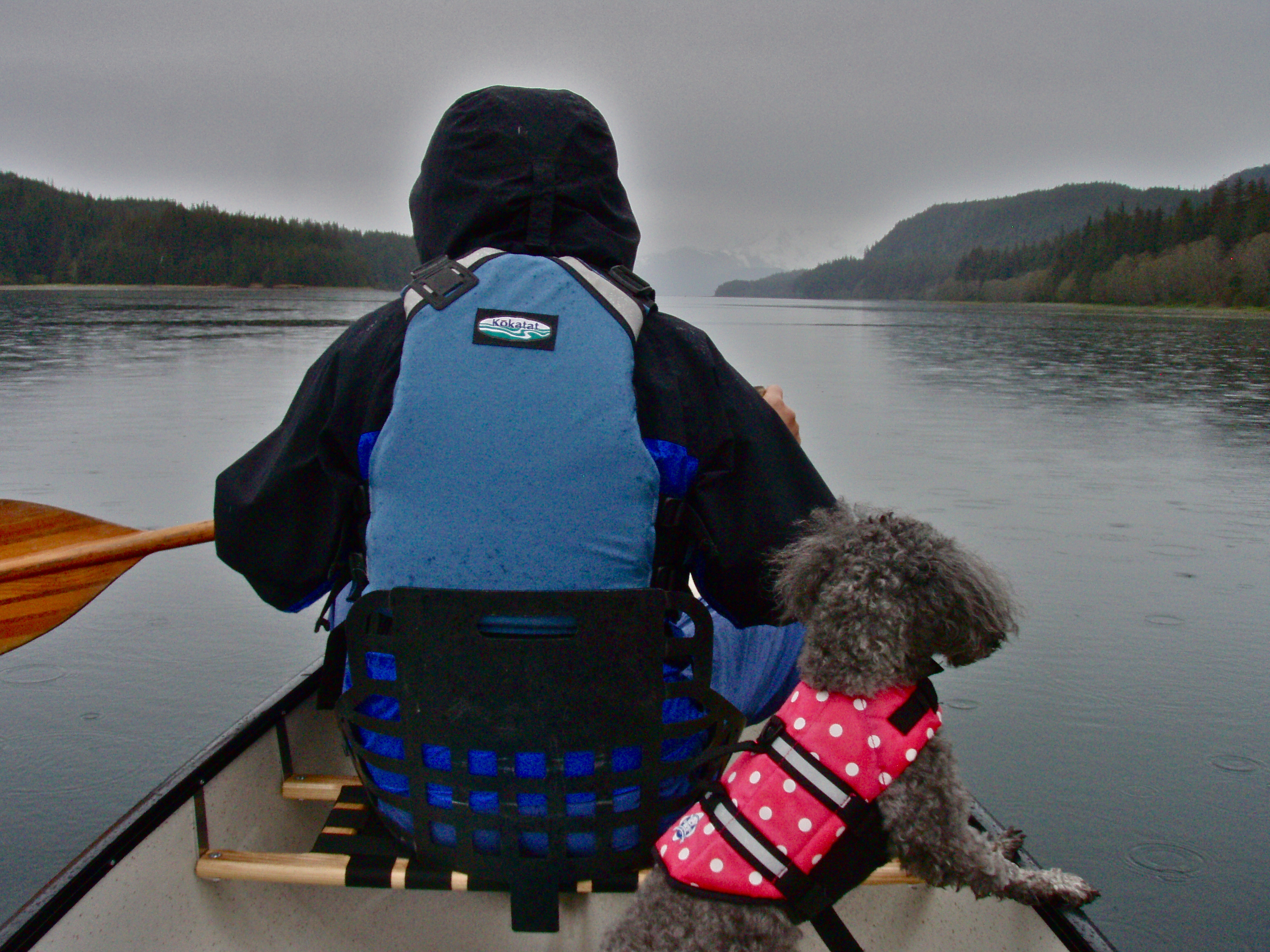
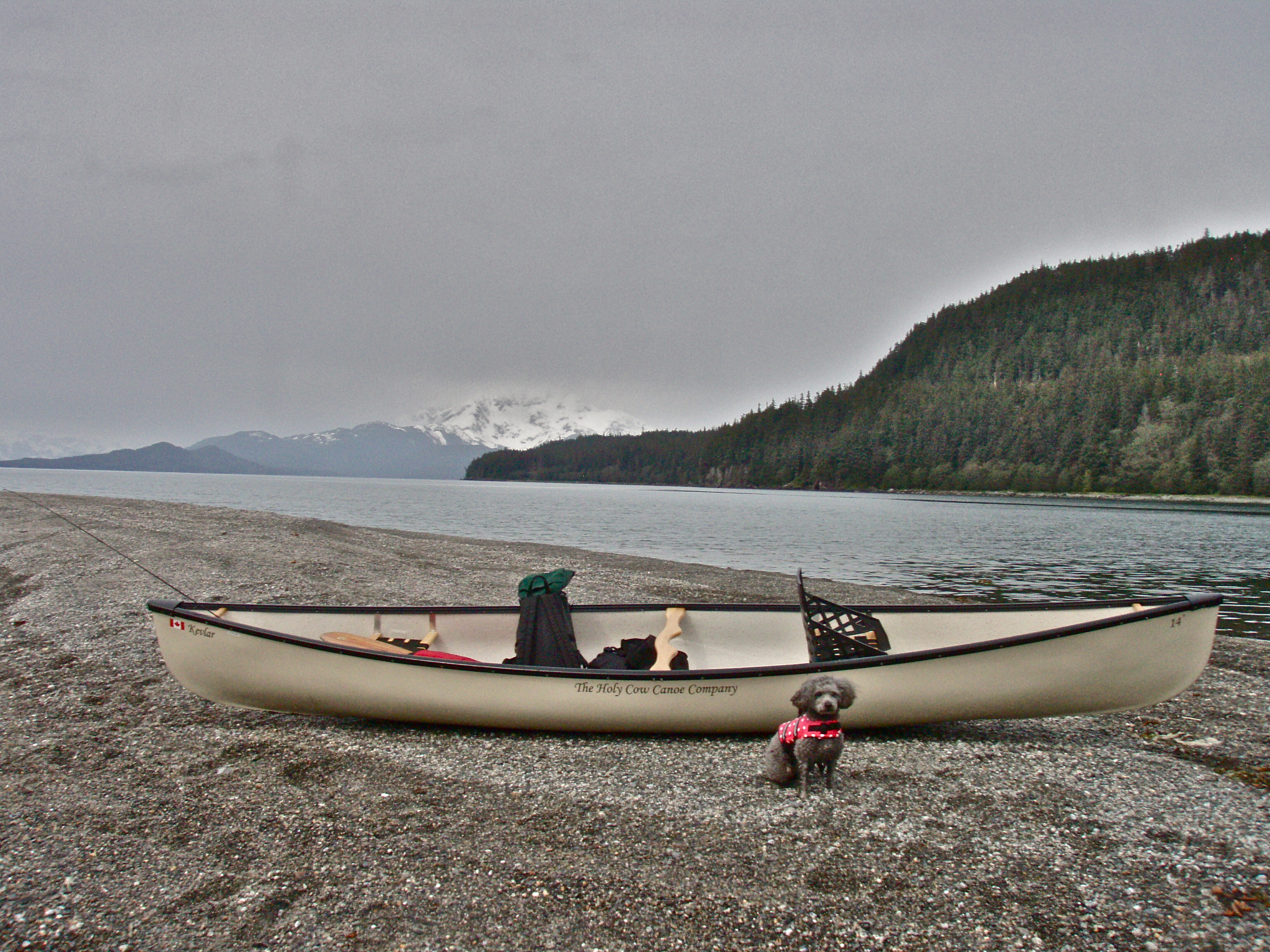
For Aki this canoe ride is as boring as one in the car. She doesn’t mind the weather — light rain falling from gum metal clouds.  It’s the lack of smells. On this large salt water lake our bee line course keeps us far away from shore with its promise of adventure. She moves nervously from side to side of the canoe straining to hear some promising sound, trying to catch an enticing scent.

If she looked down she would see grey bodied sole flattened into the sandy bottom. One bursts away when my paddle comes too close. We could easily catch a dinners worth.

Eventually Aki settles into the arms of the forward paddler, staying there until we reach the great sand bar that protects the lake, really a cove, from ocean swells. Normally a dog landing here could hope for a throwing stick to chase or some interesting flotsam to smell.  But a recent large tide sterilized the bar by sweeping it clean of objects useful to a dog.

After tea and sandwiches I walk to end of the bar. Aki stays with the other adult in her life until I cross a flooded section of the bar. Then she races, ears flapping, down the sand, across the wet break and to my feet. Satisfied that I am fine, she retraces her course to the canoe. 

As I return to the canoe a small barge, loaded down by a yellow school bus passes by, its outboard engines straining against the out going tide. Such things are common in this island region and I only question why a school bus is on the move on Sunday, when students have a day off.

Perhaps frustrated by the ride Aki misbehaves after we return to our starting point and charges after a raven, making it drop a crab shell it was carrying in its talons. She has never done such a thing before, the little brat. I hope the ravens forgive her and us.

Returning to the Green Gray Woods

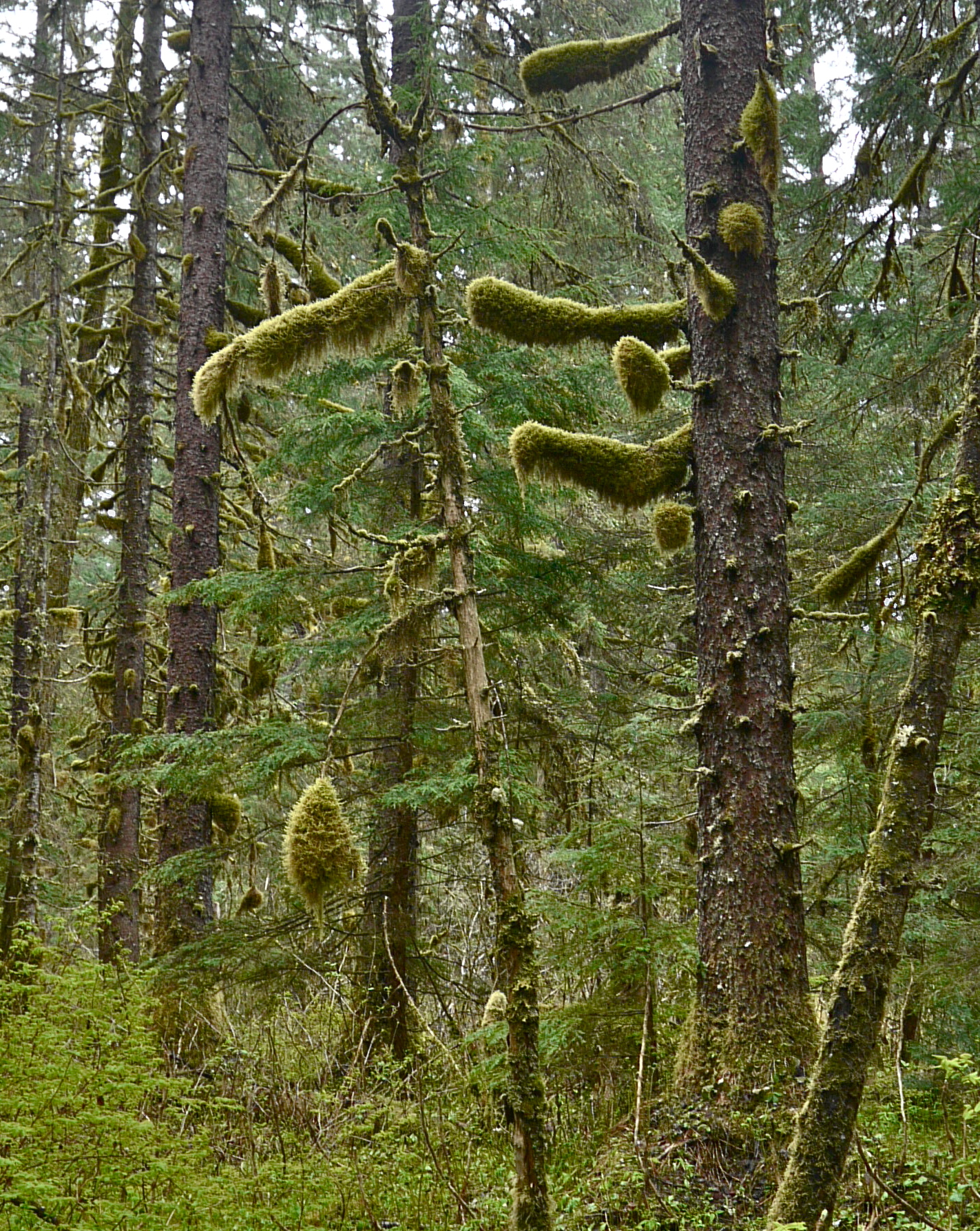
After Oahu, with its nature painted with a garish palette, this simple forest trail seems too green and grey. In this time before the salmon and berries, we can only find peace and the promise of summer. Even though the devil’s club leaf buds are barely swelling the fern shoots now reach a foot above the ground. Their tips are still rolled into the fiddle head shape that gives them their name. A tasty treat when harvested early and then sauteed in butter, the tips will soon relax and allow the fern leaves to flatten out and capture the sun.

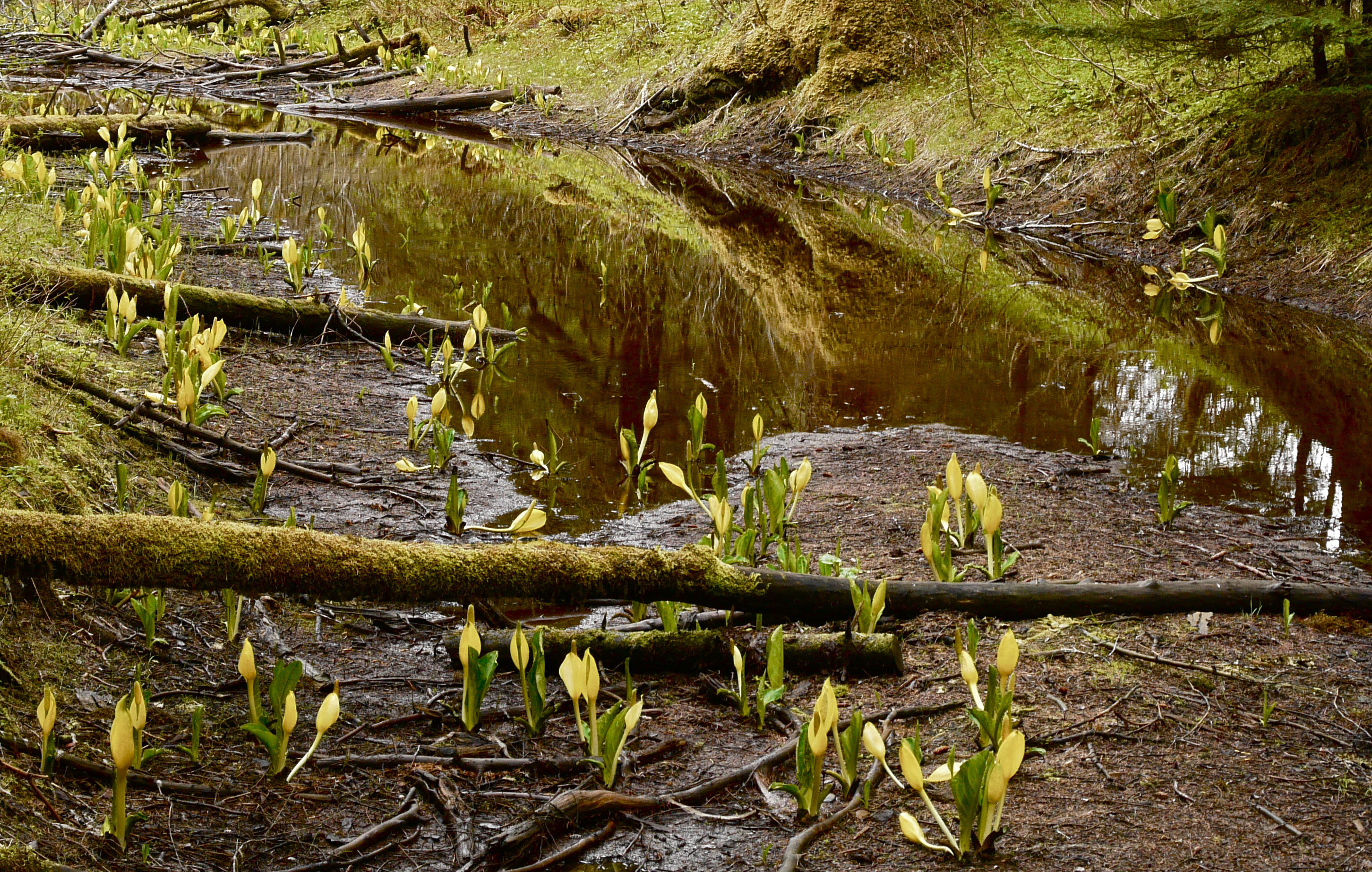
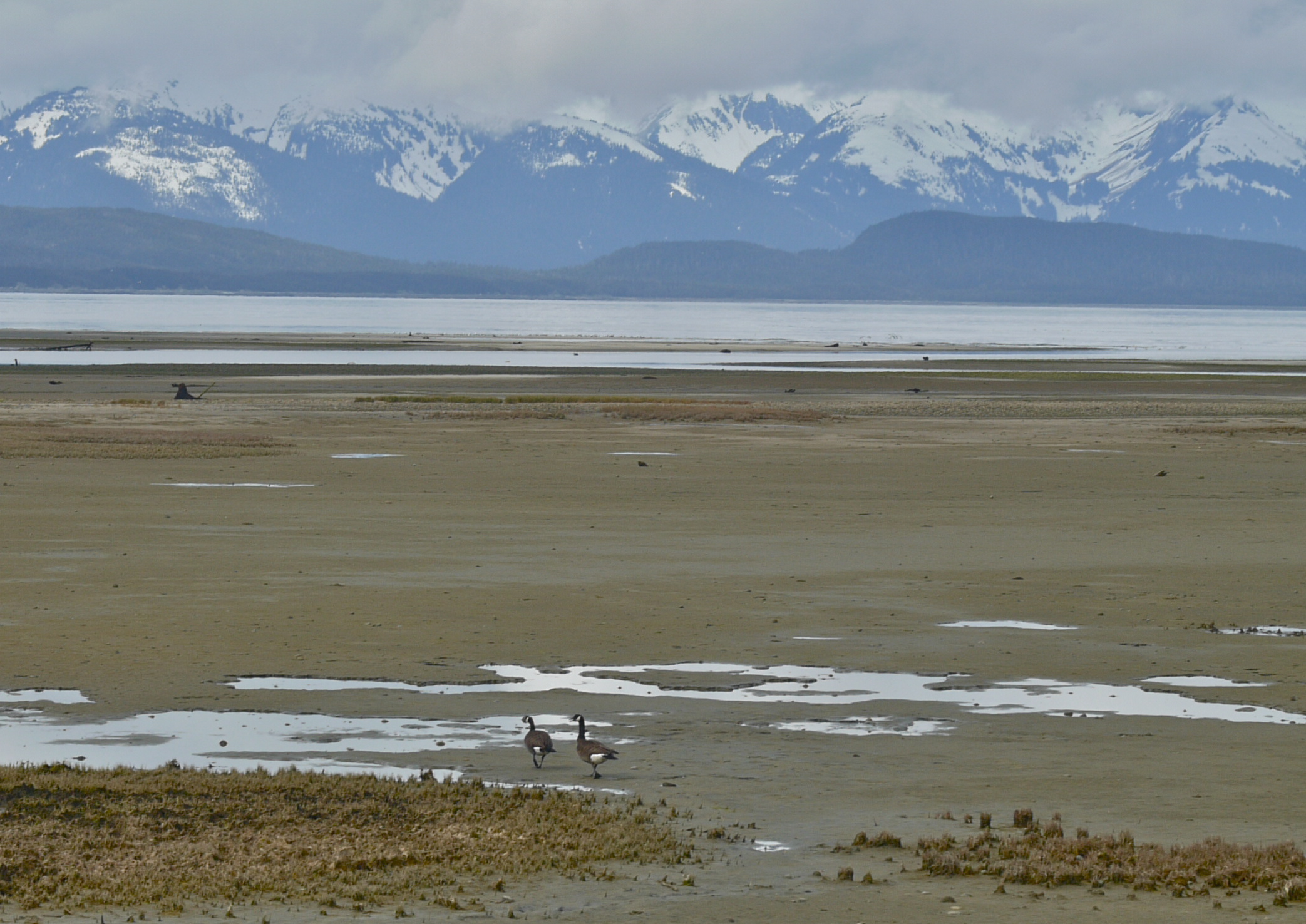
We find a few magenta salmon berry blossoms near the trailhead but for a trail mile its all green and brown. Only the nest building song of the forest birds provides any counterpoint to the forest’s earth tones. That changes where we reach the first meadow, which hosts a myriad of yellow skunk cabbage blooms. Small yellow violets and marsh flowers grow near the forest edges.  Southeast Alaska summer always starts with a show of yellow flowers but on this trip we also find  some blue lupine flower stalks and even a small island of magenta shooting stars. We also find four Canada geese feeding on the river flats. They stir at our approach but stroll, rather than fly away.  Maybe they know that Aki is geese shy for they hold their ground while another group of geese across the river break to flight at the appearance of a black labrador. 

We walk for the most part under grey skies and flat light that fools the sensors on my camera. I want to capture all the shades of grey in the clouds, the whites on the mountains, and the strong yellow of the new cottonwood leaves that have yet to turn their summer green.  No setting works until  maverick shaft of light strikes a mixed spruce and cottonwood forest beneath the mountains.