Category Archives: Kwethluk

Nature

Rocks in a Dying Pond

Today Aki and I visit an old friend — the moraine trail.  Sunlight melts the remaining snow and rouses mosquitos. Soon these pests will close the more interesting sections of this ground where lightly traveled paths cross thick blankets of moss and skirt pot hole lakes. From such a path I spot a pair of Mallard ducks quietly feeding a few feet away. Aki, exploring ground recently mined for roots by a bear never sees the birds. They glide out of sight, every detail of the drake’s beauty emboldened by early morning light. Even the hen’s subtle coat of gray and brown draws a second glance.

Being so close to the glacier, this ground recovers slowly from winter.  The animals of summer must wait patiently for the bust out of spring. Things are changing. The manic chittery bird sounds of winter harvesters has been replaced with long sweet love songs.

When a bright yellow warbler lands near us on a still bare willow I know summer is near and silently urge these willows and alders to get on with it. Minutes later we reach the little wooden bridge that crosses a long thin pond. Each year meadow grass claims more and more of the pond. In my life time it will disappear but for now there is enough water to surround a handful of small glacier erratics that have spaced themselves like a chain of islands in the pond. I can’t explain the draw of the scene other than that it calms me like views of a Japanese rock garden. Behind a mountain blocks half the sky. With a ten minute walk I could have a world class view the glacier.  We return to the moss covered forest path as I carry the image of rocks reflecting in a dying pond back to the car.

My Dad Would Have Loved the Whales

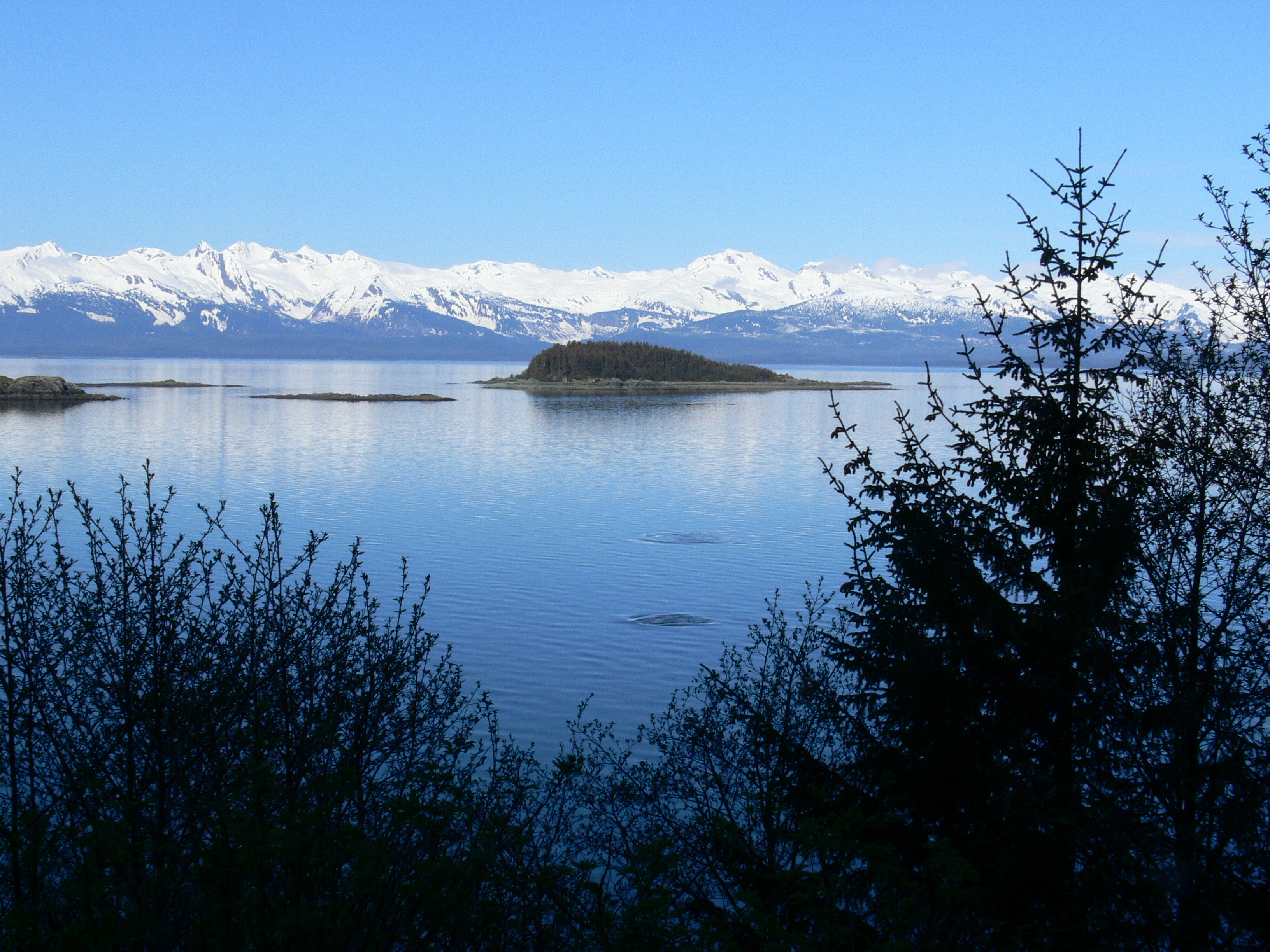
The morning sun is a pleasant surprise as are the killer whales making expanding circles on the calm channel waters as they break the surface. From here they look like feeding trout on a pond. One breaches, throwing its body up to crash on its back into the sea. It is a glorious thing to see. The rest of the pod, a dozen or so, fed on homeward bound salmon.

Excitement of seeing them makes me useless with the camera. After a few efforts I turn it off and listen to their rhythm — the crash of surfacing, air forced through to clear their breathing tubes, the crash of retreating under water. In truth Orcas lack the graceful form of larger whales but seeing the early morning light catch a male’s glistening dorsal fin, well that is more than enough.

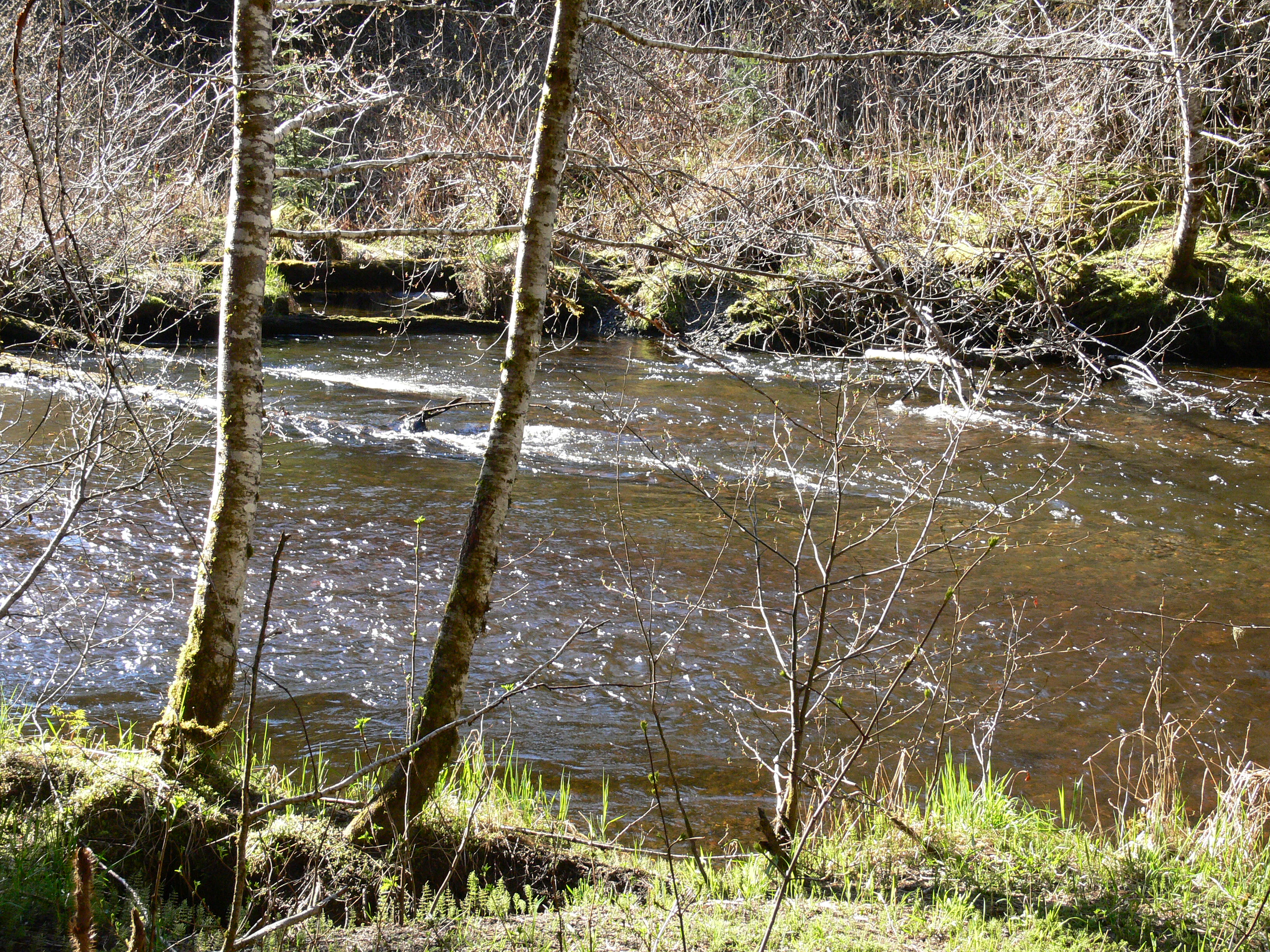
The whales push on and so do we to a creek side trail out the road. The creek would be called a river in a land less blessed with waterways. It one of the streams we have not clouded with glacier silt. On this sunny day, the light drives right to the creek bed, defining each pebble. Later in the summer sunlight will reveal the dark bodies of spawning salmon. Eagles will hang like vultures in the creek side spruce and we will constantly be on the lookout for bears. Today the water is as empty as the alder branches are bare. We walk alone along it to the sea.

After a mile or so we break out of old growth onto a great grass meadow where wild iris and chocolate lilies are already forming flower buds. Great white mountains rise above it at all compass points.  Aki runs mindless over this field of still dormant grass as I search for the first Shooting Stars. When the meadow reaches summer mode those flowers will form magenta islands on a sea of green grass.

My father loved the Shooting Star from the time he first found one near his Montana home.  He was dead before I found my first one in Alaska. He would love to see Shooting Stars blooming here in June, like he would have loved his granddaughter and the light sparkling on this creek water. I wish he could have started this day with me, Aki and the whales.

Frisbee 5

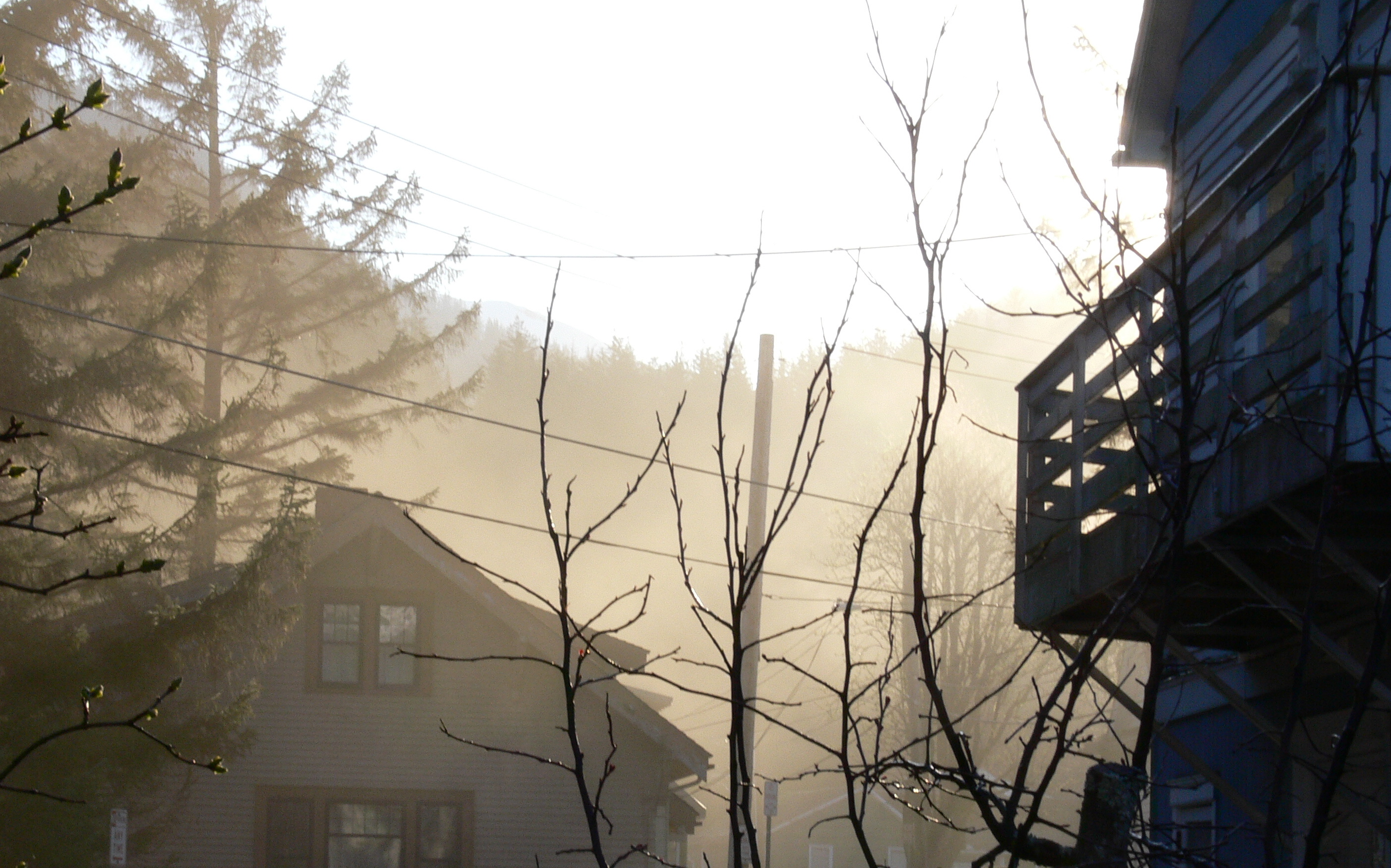
This is a day for firsts. The first fog horn bellow welcomed the first cruise ship. That woke us up in time to see fog filtered light highlight our emerging lilac leaves.  After the fog burned off Chicken Ridge I played Handel’s Fugetta on the guitar, warmed by the sun on our front porch. Another first for the year.

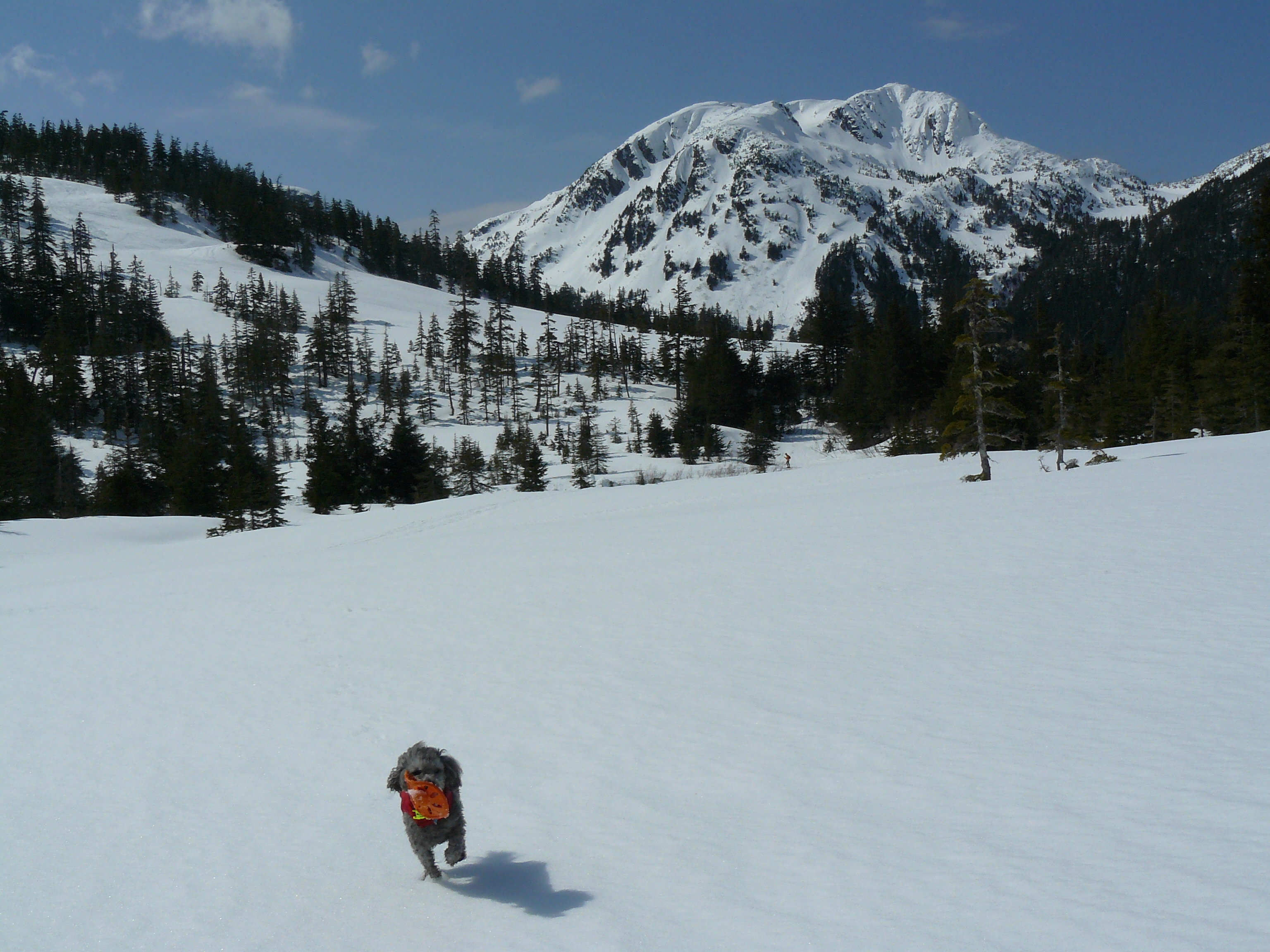
Later Aki takes the whole family hiking across the Wetlands which offer great views of glacier, ocean, and mountains. Aki only has eyes for her orange frisbee. Her three humans take turns tossing it over the still dead grasslands. When she  she watches its trajectory she manages a quick retrieve. Most times she breaks into a run before it is thrown, often in the opposite direction. This leads to a desperate search spiced with ignored hints of “warmer” and “cold” from her helpful family.

The daughter, just back from college graduation decompresses on the wetlands, finding a sun warmed drift log just right for a lie down. Aki sits beside her holding the frisbee in what she thinks is a seductive manner. When that fails she brings it over to me for a toss.

Reaching an estuary, Aki drops her frisbee in for a wash. Distracted by a raft of ducks she lets it drift off into deep water. A wader, not a swimmer, the poodle mix can only whine as the toy passes out to sea. So ends the life of frisbee number 4

She lost most of the other three in an attempt to wash them.  One was last seen clutched in the teeth of a husky that snatched it away from Aki while we were halfway up the East Glacier Trial.

Aki, like many dogs, suffers from a short term memory deficit which gets her through the loss of the frisbee.  A few minutes after her toy’s Viking funeral, she convinced herself that someone had secreted it away in one of the backpacks her human family members carry on hikes.  After giving us a series of “I know you have it take it out and throw it” looks, Aki falls into a trot besides us to return to the car. We buy frisbee 5 on the way home.

Back From LA

Fifty years ago native plants covered this hillside. When spring followed a wet winter, it would turn orange with golden poppy blooms. I know, having seen it from the rear seat of Uncle Larry’s 57 Chevy on a sunday drive. Here on the coast clear air held nothing to diminish the view or color sunsets.

On this trip smog thickened the sky until the onset of an off shore breeze. Housing developments now cover all by the steepest ground. For those that can afford hillside luxury its all golf, high end processed meals and cars. A life without hope of true peace. People at the bottom cling to a narrowing economic ledge. Some fall to homelessness or into the deportation center. Even the middle class have to spin many plates to avoid the fall to poverty.

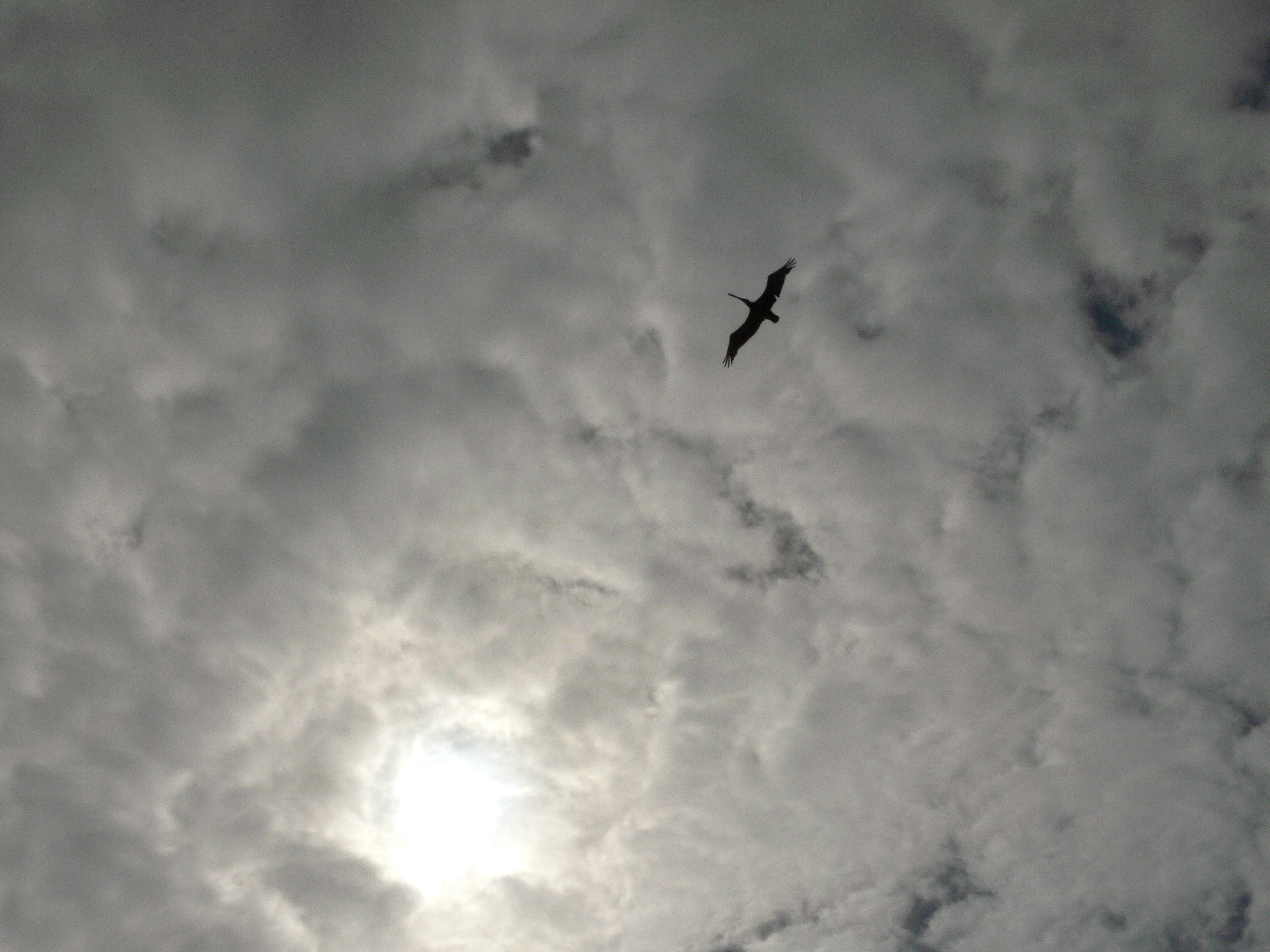
We find beauty here in the sea and in gardens dominated by foreign flowers. The birds still catch the early morning sun. One morning I watched a line of pelicans float like rigid kites over beach and palms, bank and crash into the sea. Popping to the surface they flip up captured fish like pizza chefs and swallow them whole. I wondered if the locals still noticed things like this until a dog walker moves to the water and watches the scene with a posture suggesting wonder.

Back From LA

The birds still sing up the sun

barely sounding above the traffic stream

Pelicans skim over palm trees

to crash recklessly into the marina

for fish that still swim

Spoiled by years of silence

I struggle through the noise

finding beauty

in palms gilded by first light

these great rigid birds

and robin who tries to sing

over a the roar of the Number 56 Bus

Finding Shangri-La

About a week before my daughter graduates from her Lower 48 college Aki and I hike the East Glacier Trail. While Aki, a poodle mix roams ahead I think about how I approached life at my child’s current age. Things like movies had a great influence over me. There was that time I watched Lost Horizon on the family’s black and white TV.  (Too young to catch it on the silver screen). That beautiful film seemed to lay out all of life answers and provide a great stage for the lovely Jane Wyatt and dashing Ronald Coleman.  I dreamed of dating Ms. Wyatt and vowed to grow a pencil thin mustache like Mr. Coleman. Neither happened but I still remember the plot.

Mr. Coleman plays a talented diplomat who is needed in London to end the threat of war. He is abducted and taken to Shangri-La, a magical  valley high in the Himalayan Mountains where the dying high lama asks him to take over his responsibilities.  The movie asks the audience to examine what is truly important and to consider adopting a different set of values.

I think of Lost Horizons today because the East Glacier Trail takes you to a Southeast Alaska version of Shangri-La. First you travel on the Trail of Time, passing markers commemorating the glacier’s edge in 1916 and 1920, far from its current face. Then you climb, sometimes negotiating, Ronald Coleman like, granite cliffs with the help of wire cable hand lines.   You also pass miniature moss framed waterfalls that cascade over granite grooved by the receding glacier. One is terraced like the orange orchards of Kishu Island.

A mile or so in the trail winds through moss covered boulders scattered like they fell from a giant’s pocket. These erratics form the doorway to a flat plain drained by a clearwater stream. The noise of town and the airport that were constant companions on the climb up the hill are gone, replaced by the sound of moving water and bird song,

I stop next to a chickadee just a foot from the trail and enjoy a rare opportunity to study one of these tiny earth tone masterpieces. He cocks his head and I find myself imitating the gesture. “Peace to your brother,” I say before moving off. In too short a time we approach the foot of a yellow cedar stairway that takes you 221 steps to the summit.  This too echos Shangri-La, with its grand staircase to the monastery where Mr. Coleman meets the high lama.

We climb the 221 steps but find no fount of wisdom at the top, just two complaining ravens amid relics of an old mining operation that emerge here and there from the moss covered ground.  I think again about my daughter and how we climbed these same 221 steps when she a child while she and a friend of the family sang “Make new friends, but keep the old, one is silver and the other gold.”   I can almost hear the echo of their refrain in the rushing of nearby Nugget Creek.

Stopping to photograph the glacier on the way down I find myself standing on a large pile of spruce needles, a sign of insect damage that we didn’t see before the current series of warm winters. The glacier also reflects the warming trend, having retreated quite a ways from where it stood when my child sang it her song of friendship.

We find one more echo of childhood down the trail when the sound of children playing  sends Aki scurrying to my feet. I expect two kids to plummet past us on bicycles. When they don’t, I listen again and realize that we are hearing the sound of bear cubs playing. Fortunately they are behind us so we press on to the car.

Snap Out of It

Wake up and end your winter slumber. That’s what I want to tell the Fish Creek Woods but only fools talk to trees. That’s how Aki sees it. We find a few blue berries willing to send out a spray or two of blossoms but everything else is wrapped up tight.

The soft woods trees and other deciduous plants can’t gamble with nature. Leafing out now and a killing frost could deny them a chance to grow in the summer sun. Their reticence extends famine time for the bear and deer who need some green growth now. Both are around, leaving tracks in creek side gravel. Aki leads me to the bear’s bedding area. Nowhere are the clipped off shoots of beach grass to give evidence of the bear’s spring feed.

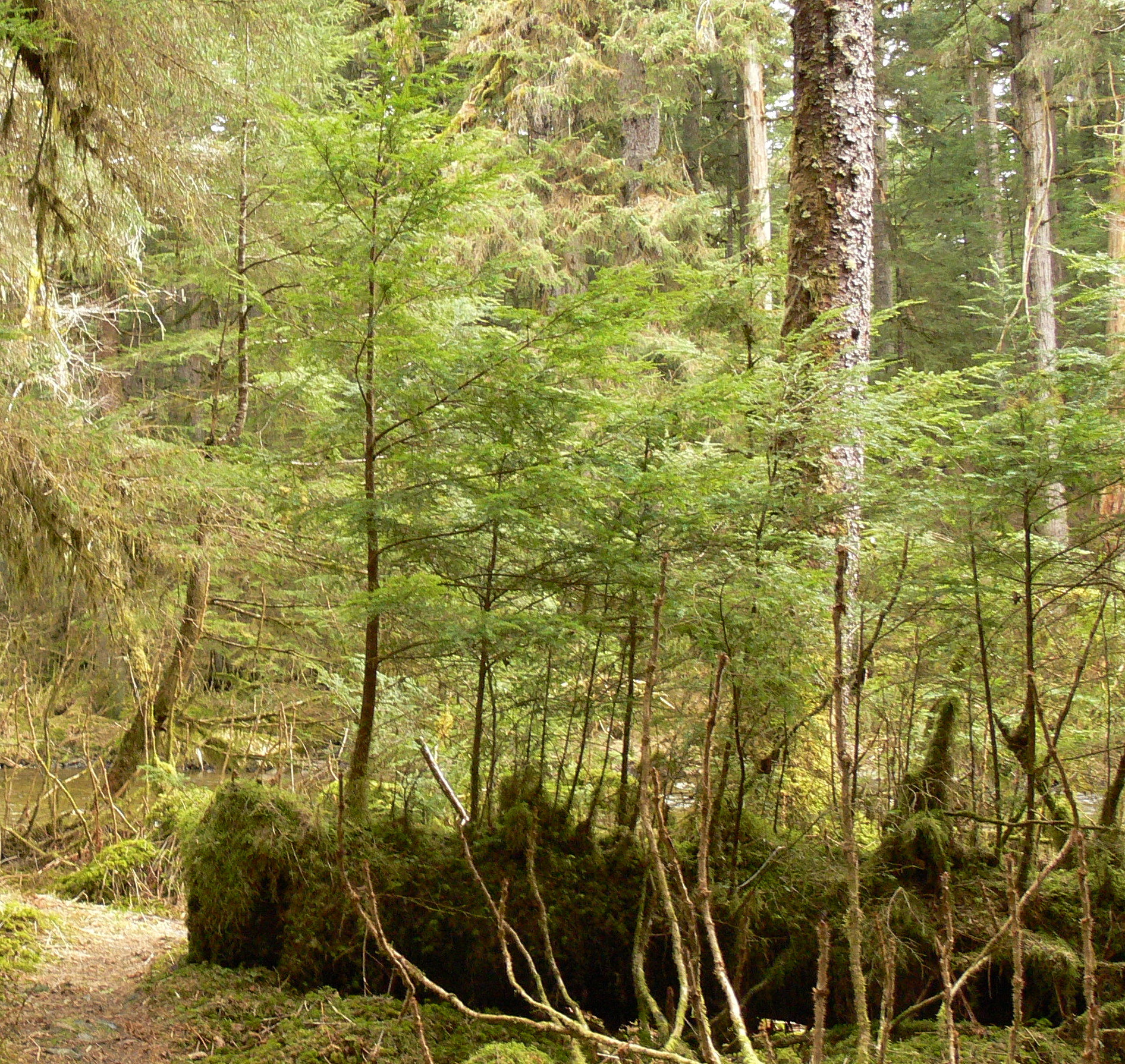
There is freedom of sight for Aki and I in this dormant wood. With the devil’s club restrained she owns the low spaces and runs freely under downed trees. For me, this time without leaves allows appreciation of shapes and running water and, ironically, the force of life. Now I can see unimpeded all the young evergreens sucking life from decaying nursery logs. Nothing is wasted here. I can also see reminders of the salmon of summer that will fill this stream with their dying bodies and these trees with eagles and bears. Eagle feathers are scattered along the trail like bread crumbs. Eagle scat and down cover the ground near the spawning grounds.

Always a Filtered View


The West Glacier trail starts on ground too new to be interesting on any but the sunniest day. We have such a day and enjoy patterns of light and dark cast by early morning light. The muddy portions of he trail froze hard last night and have yet to thaw. A thin skim of ice covers the ponds that will soon release clouds of mosquitos to prey on this summer cruise ship tourists. It is good to take this trail now before summer with its guided ecotours, bugs, and helicopters.

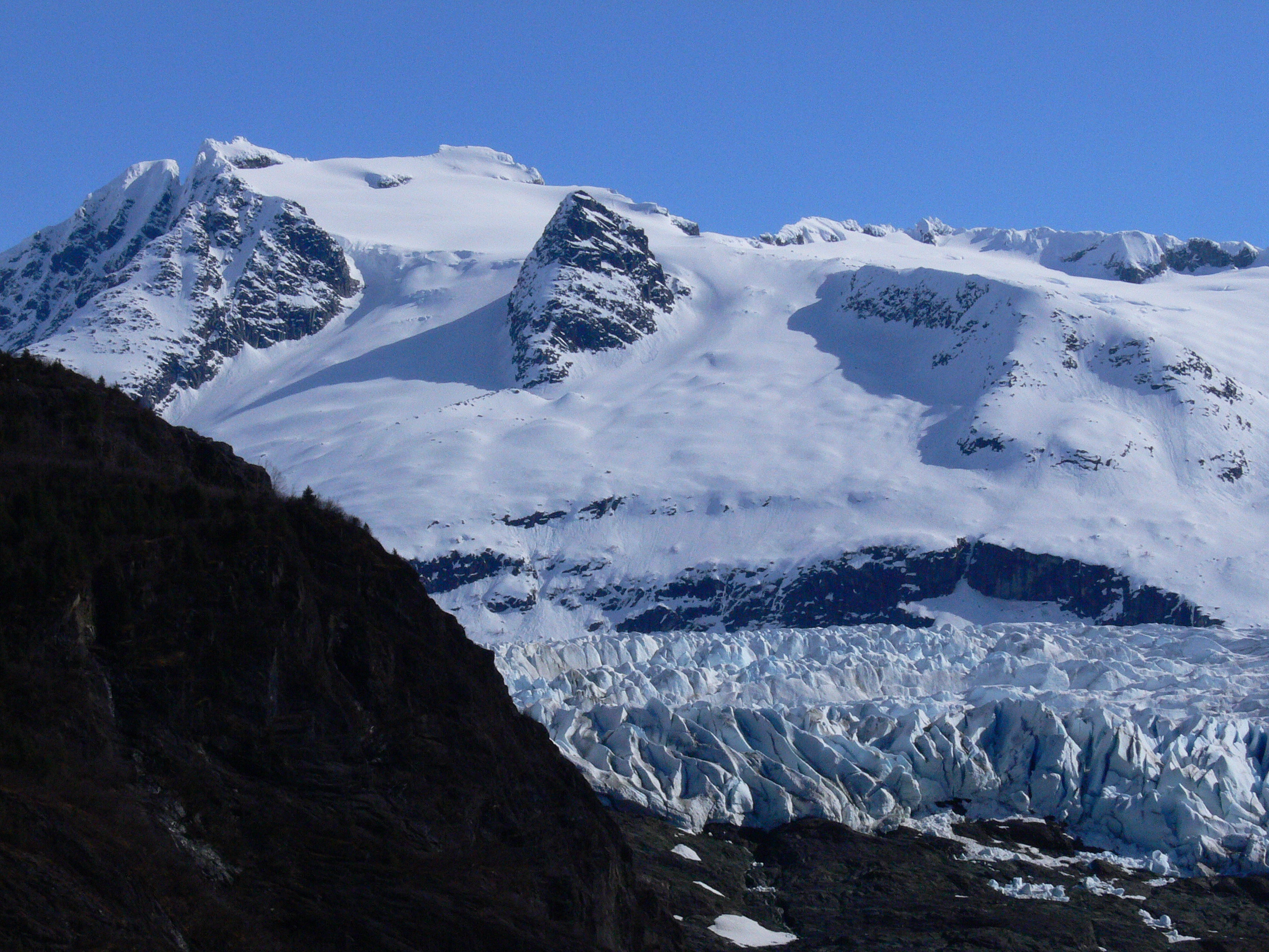
The main trail is one of frustration. Even now, while the trees are still bare we only get filtered views of the glacier. After a couple miles of flat walking we climb far above the glacier ice. From here the glacier becomes a frozen river sending up rapids of ice where it flows over granite domes and ridges. A rough trail takes you to the glacial ice but Aki and I keep climbing toward the summit of Mt. McGinnis.

A shattering marmot whistle takes me by surprise and I realize that I’ve dropped into the  hiking trance, partly induced by the constant low frequency drumming of grouse. After that I look up more and see things like a grouse and these mountain goats grazing in the sun. I also see the lines carved into hard rock by the glacier and car sized boulders dropped here and there by retreating ice.

We stop where an overhanging rock offers a rare unimpeded view of ice. I sit facing the glacier. Aki faces down the trail, leaning against me, enjoying the warmth of the rock. I reach over and rub her ears. She licks my hand once in thanksgiving. Then we return to the trail.


False Promises of Summer

What does the sun hope to gain

from making a false promise of summer

to this balsam popular?

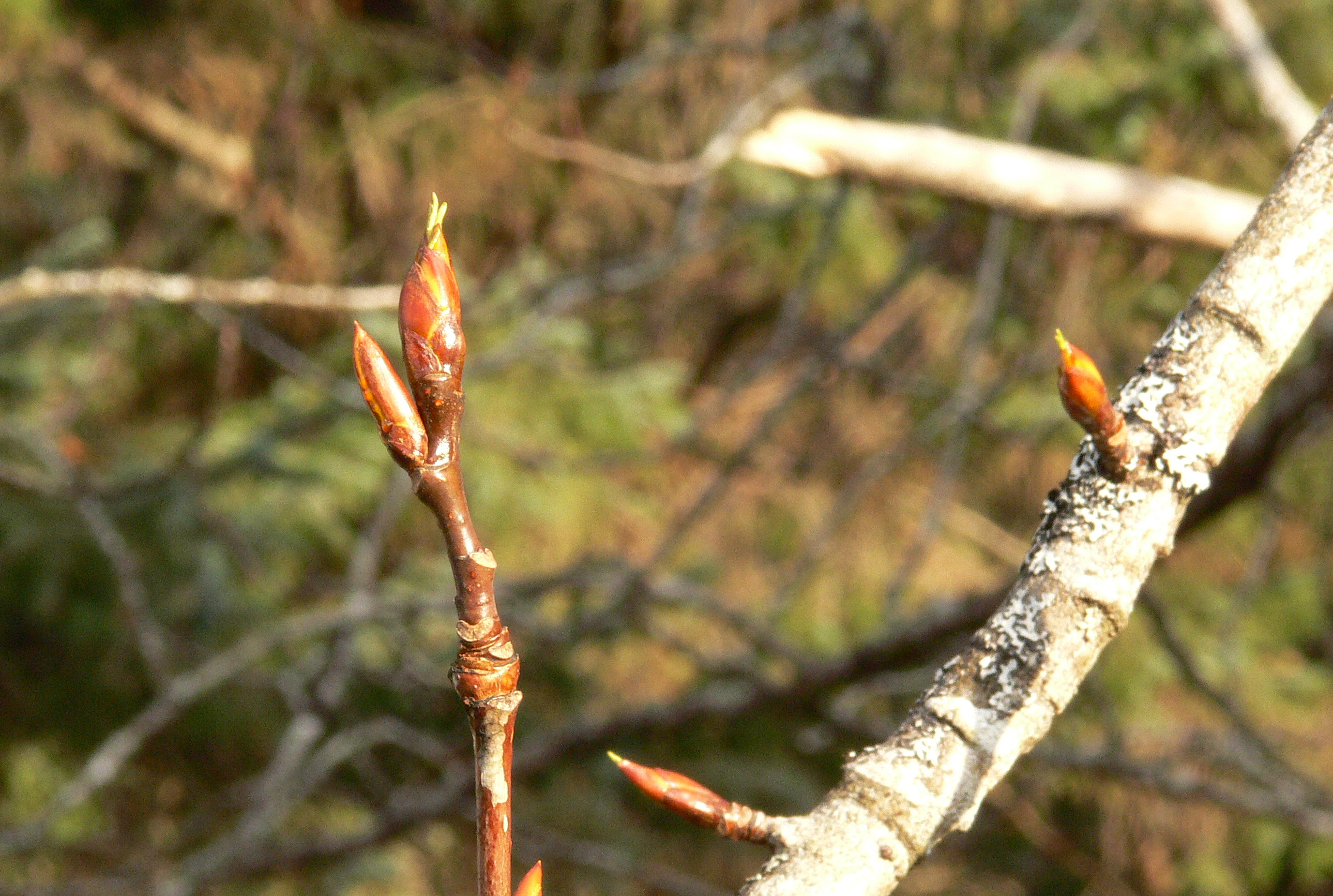
Why does it glistens these buds with the first light of day and

turn the resin amber?

Tree

wait for true summer

patiently  drink the cleansing rains of Spring

Only share

your balsamic perfume

in the soft light of summer

Old Souls


We returned to higher country on this sunny, warm day. It feels like spring, even while snow shoeing on this high ridge. Aki brought along the other human who feeds her and they are playing catch with her precious frisbee as we move over open ground surrounded by mountains.

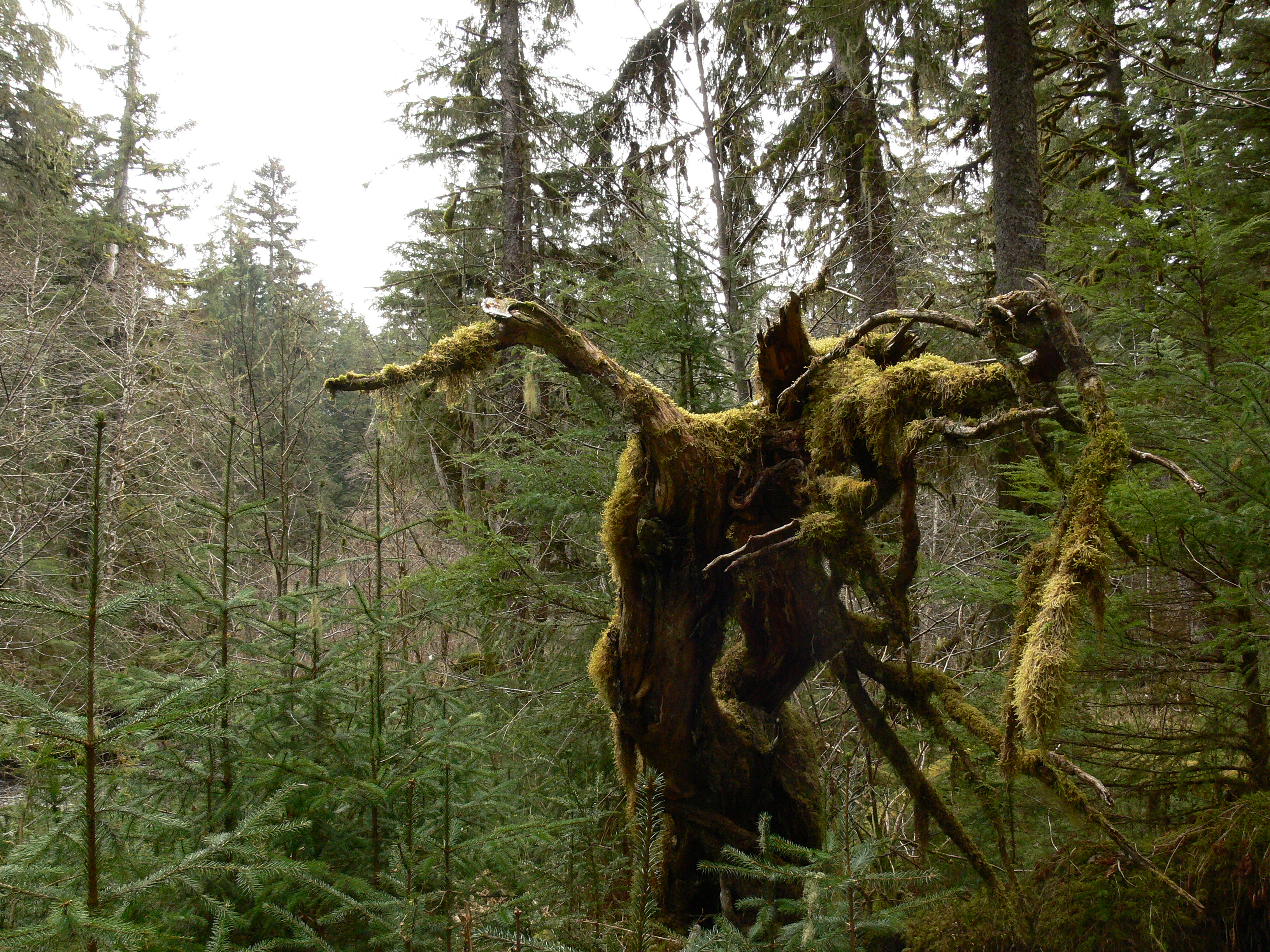
Many old souls live here. In the meadow ancient but stunted mountain hemlocks stand alone, sculpted by wind to Bonsai perfection. They cling to ground passed over by others and survive. We pass the twisted remains of others that have not.

Moving into a surprisingly thick spruce forest we find thick but misshaped trees with twisted trunks. Some are split from root to crown. Parallel ladders of dead branches climb up the sides of others. Their tenacity would suggest desperate pride in a human but trees lack such complexity. They only want to live where their seed fell.

Stopping near the forest edge we perch to eat lunch on a twisted spruce that corkscrews horizontally towards the sun. Aki alternatively begs for cheese and for someone to throw her frisbee. When neither happens she shivers, not for dramatic effect but because constant movement keeps her warm.